
Vandaag of morgen in huis

Kwaliteit gegarandeerd

Welkomstaanbiedingen ontgrendelen: GRATIS bezorging | Tot 80% korting | Gratis 30 dagen JoyPlus-proefperiode
Download de app
Seaweed snacks suit all sorts of eating occasions: straight from the packet, as a topping on rice or noodles, in a salad, or with homemade sushi. Yet the packaging often looks more alike than the products themselves. A thin, roasted nori sheet is quite different from a marinated kelp snack. Salt content, portion size, texture and shelf life also vary considerably.
So if you're looking to buy seaweed snacks online, it pays to look beyond flavour and attractive claims on the front of the pack. Below you'll find practical points to consider, along with three product choices for different uses.
A Korean seaweed snack is often made from thin, roasted laver or gim sheets with oil and seasoning. These are usually ready to eat and crispy. Nori sheets and sushi nori, on the other hand, are mainly intended for making sushi, onigiri or rice rolls. They aren't always seasoned and can quickly go soft once they come into contact with moisture.
Wakame is also not a typical crispy snack. Dried wakame is normally soaked and used in soup, salad or other Japanese dishes. So first check whether you're after a ready-to-eat snack or an ingredient for cooking.
A small packet may be low in calories per portion, yet still contain relatively high levels of salt or oil. So look at the nutritional information per 100g as well as the actual portion size. In seasoned products, oil, salt, sugar and flavourings often feature high up the ingredients list.
With a product that contains only dried seaweed, the ingredients list is much simpler. That doesn't automatically mean it's suitable for unlimited eating: seaweed naturally contains iodine, and some products are relatively high in sodium. The product label will give you the relevant information for that specific pack.
A pack of 50 or 100 sheets might seem good value if you make sushi regularly. For occasional use, however, a smaller pack can be more practical. Once an opened pack absorbs moisture, roasted seaweed loses its crunch.
So store seaweed according to the instructions on the pack: usually in a cool, dry place away from direct sunlight. Seal the pack tightly. Some marinated kelp products need to be refrigerated after opening and eaten within a limited time. Always check the actual packaging.
The name often gives you a useful clue:
Also pay attention to the format. Individual sachets are convenient for on the go and help keep the seaweed crispy. A large resealable bag is usually more practical for families, sushi nights or frequent use.
Read the full ingredients list. Pay particular attention to:
With products that contain only seaweed, the composition is simpler. With a spicy seaweed snack, ingredients such as chilli, vinegar, sugar, flavour enhancers or preservatives may have been added. This is especially relevant if you're looking for a neutral taste or want to limit certain ingredients.
Don't just compare the price of a bag, but also the weight per portion and the number of packets. A multipack with sachets of 3 or 4g is easy to portion out, while a bag of 180 to 400g may be more suitable for sharing or as a side dish.
Also check the stated salt content. Nutritional information can vary significantly from product to product. The details on the product page are a practical starting point, but the physical packaging remains the definitive source for allergens, shelf life, preparation method and nutritional values.
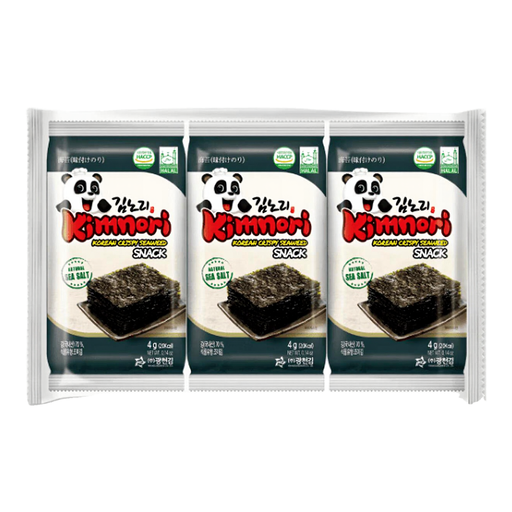
Why this suits the profile: The three separate portions are easy to manage if you're trying a Korean seaweed snack for the first time or want small amounts to take with you.
You don't buy a large stock before you know the flavour and texture. The portion packaging also limits contact with moisture after opening.
Three sachets of 4g; seasoned, roasted seaweed sheets; ready to eat.
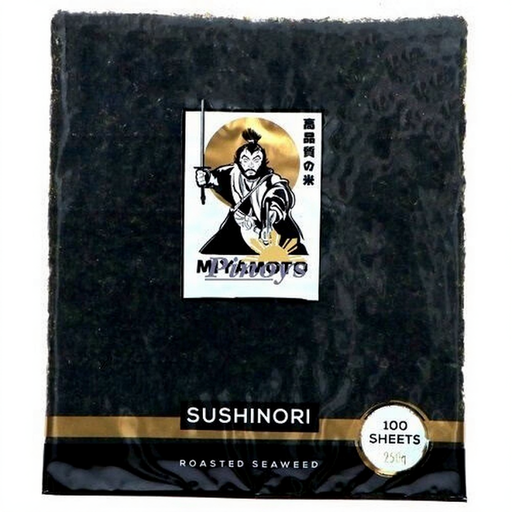
Why this suits the profile: If you regularly make sushi, kimbap or wraps, you get a large number of 19 x 21 cm sheets for various preparations.
The dimensions and number of sheets are clearly stated. This means you can match the stock to your frequency of sushi or cooking use.
100 roasted sheets; size 19 x 21 cm; suitable for sushi, kimbap and wraps.
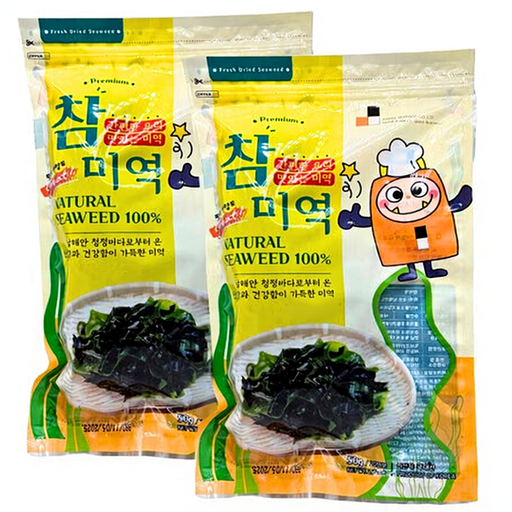
Why this suits the profile: Ideal for home cooks who mainly use dried seaweed in miso soup, salads and other Japanese dishes.
The ingredients list states 100% dried wakame. So you're not paying for oil, chilli or a snack seasoning you don't need.
100% dried wakame; suitable for soups and salads; store in a dry place.
We've put together a full, up-to-date list of products that fully meet these strict selection criteria and comply with current European safety regulations.
That depends on the product. Roasted nori, seasoned gim and many kelp snacks are ready to eat straight from the pack. Dried wakame and other dried seaweed are usually intended to be soaked or cooked first. Always check the usage instructions.
Store the snack in a cool, dry place and keep it tightly sealed. Nori and other roasted products absorb moisture quickly. A resealable pack or an airtight container helps keep the texture for longer. For chilled kelp products, follow the specific instructions on the label.
Choose sheets that are explicitly labelled as sushi nori, seaweed for sushi, yaki nori or laver. Pay attention to the size and number of sheets. For snacking straight away, seasoned or individually wrapped nori snacks are more convenient; for rolling, a large, unseasoned sheet usually works better.
