
Vandaag of morgen in huis

Kwaliteit gegarandeerd

Welkomstaanbiedingen ontgrendelen: GRATIS bezorging | Tot 80% korting | Gratis 30 dagen JoyPlus-proefperiode
Download de app
Seaweed features in many Korean, Japanese and Chinese dishes. You can eat it straight from the pack as a crispy snack, use it for sushi or soak it for soup and salad. However, products vary widely in flavour, preparation, packaging and nutritional value.
If you focus only on attractive packaging or claims such as “healthy”, you could end up with a product that’s not right for how you plan to use it. These pointers will help you compare seaweed more practically.
Roasted seaweed is usually ready to eat. Dried wakame, kombu or purple laver often needs to be rinsed, soaked or cooked first. Always check the instructions on the pack. For example, the packaging for Jin Hai Lin Wide Leaf Kelp says the product must be cooked and should not be eaten raw.
A seaweed snack may also contain oil, salt, sugar, flavour enhancer or sesame. According to the product information, Kwang Cheon Kakao Friends Seasoned Green Seaweed contains, among other ingredients, 54% seaweed, rapeseed oil, perilla oil, sesame oil and seasoned salt. So the flavour doesn’t come from the seaweed alone.
Compare the full ingredients list, not just the front of the pack. Also look out for allergens such as sesame, soya, wheat, milk, egg, peanuts, fish and crustaceans.
An 800g pack may seem appealing if you make stock regularly, but it’s less practical if you only make sushi occasionally. Conversely, small snack packs can run out quickly in a larger household. Consider the portion size, how long the product will keep once opened and how much storage space you have.
Nori and laver are usually sold in thin sheets. They’re suitable for sushi, onigiri and rice bowls, and can also be used as a crispy topping. Check whether the sheets are plain, roasted or seasoned. Plain sheets are often easier to pair with rice, fish, tofu or vegetables when making sushi.
According to the product description, Half Gold Seaweed consists of dried half-sheets of nori and weighs 140g. It’s intended for sushi and onigiri and comes with a moisture absorber sachet. The sachet is not edible and should be discarded.
Wakame expands when soaked and takes on a soft, slightly springy texture. It’s often used in miso soup, ramen, noodle dishes and seaweed salad. Dried wakame is handy when you want to measure out the amount yourself.
The product information for Wakame - Natural Dried Seaweed lists dried wakame as the sole ingredient. Check the preparation instructions on the pack, as soaking times and serving sizes can vary between products.
Kombu is a broad type of kelp often used as a base for dashi, soups and stews. It’s generally soaked or infused in liquid. Give it a quick rinse if the packaging recommends this, and follow the cooking instructions.
According to the product specifications, Jin Hai Lin Wide Leaf Kelp contains Saccharina japonica and comes in an 800g pack. This size is best suited to frequent use, for example if you regularly make stock or Asian soups.
Ready-made seaweed salad can be served straight away as a side dish. Unlike dried seaweed, this type of product often contains a dressing made with sugar, vinegar, soya sauce, sesame oil, salt and flavour enhancer. It has a soft texture and comes ready-seasoned.
YUNSHANBAN Seaweed Salad 200g and YUNSHANBAN Mustard Seaweed Salad 180g are examples made with wakame and a seasoned dressing. The mustard version also contains mustard oil. If you have an allergy or dietary requirement, always check the current label.
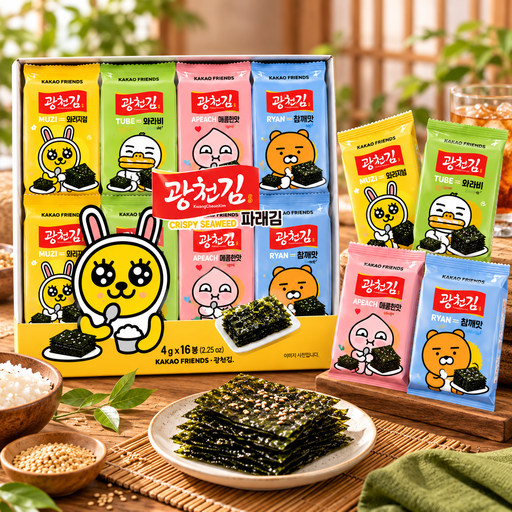
Why it suits this shopper: The 16 individual 4g packs are handy for a lunchbox, snack time or a first taste of Korean seaweed snacks.
The individual packs make portion sizes clear. Check for sesame and added oils before you order.
16 x 4g portions; seasoned with rapeseed, perilla and sesame oils, according to the product information.
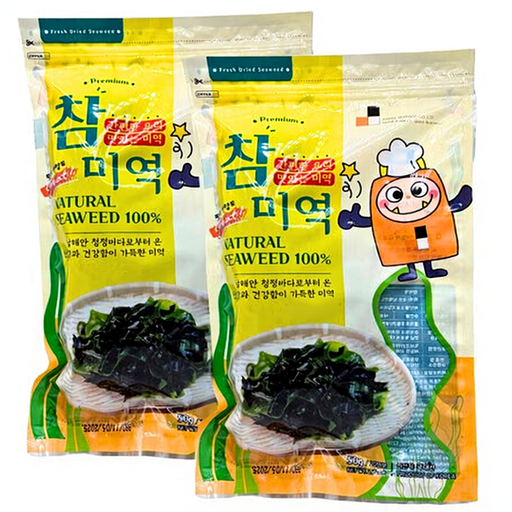
Why it suits this shopper: If you want to make your own soup, ramen or Japanese salad, this product has just one ingredient according to the label: dried wakame.
The product description lists no pre-mixed dressing or snack seasoning. You choose the quantity and how to prepare it.
Dried wakame; suitable for soups, salads and Japanese dishes.
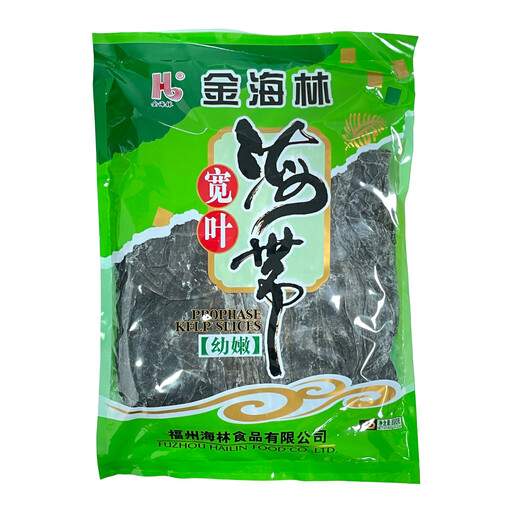
Why it suits this shopper: The 800g pack is designed for regular use in dashi, soups, stock and stews.
The product information is clear: rinse briefly, soak for 10 to 15 minutes or add to soup, and do not eat raw.
Saccharina japonica as the ingredient; 800g for regular cooking.
Store dried seaweed in a cool, dry cupboard, away from sunlight, heat and moisture. Seal opened packs carefully. If nori goes soft, it has probably absorbed moisture. According to the packaging, ready-made seaweed salad should be stored in a cool, dry place; always follow the specific instructions on the label.
We’ve put together a full, up-to-date list of products that meet these strict selection criteria and current European safety regulations.
Nori or laver sheets are usually used for sushi and onigiri. Choose plain or roasted seaweed without strong seasoning if you want the flavour of the rice and filling to come through. Check that the sheets are large enough for your sushi roll.
It depends on the type. Wakame is usually soaked briefly before being added to soup or salad. Kombu can be soaked or added directly to stock, as directed on the pack. Some products, such as Jin Hai Lin Wide Leaf Kelp, need to be cooked and are not intended to be eaten raw.
Check the best-before date on the packaging. Unopened dried seaweed will generally stay crisp for longer than an opened pack. Store it in a dry place and seal the pack tightly. Ready-made seaweed salad has different storage requirements from dried nori or wakame, so follow the label.
