
Vandaag of morgen in huis

Kwaliteit gegarandeerd

Welkomstaanbiedingen ontgrendelen: GRATIS bezorging | Tot 80% korting | Gratis 30 dagen JoyPlus-proefperiode
Download de app
A seaweed salad is a great match for sushi, ramen, rice dishes, poké bowls and grilled fish. However, ready-made options vary widely in ingredients, packaging and preparation. If you only look at the picture or the words “Japanese seaweed salad”, you could end up with a product that is too salty, needs to be defrosted first, or doesn’t suit any allergies you may have.
As Joybuy Product Recommendation Officer, I filter the most important product information on practical points. This way, you can compare a wakame salad based on verifiable data rather than marketing terms.
Wakame is a type of seaweed, but the final taste is also determined by sugar, vinegar, sesame oil, soy sauce, chilli and flavour enhancers. An Asian seaweed salad can therefore be mild, sweet and sour, spicy or distinctly savoury.
So check the ingredients list. For the Mooijer Seasoned Seaweed Salad, the product information states it contains 76% seaweed, supplemented with agar, black fungus, sesame seeds, rice vinegar and chilli pepper, among other things. The additions largely determine how you can pair the salad.
A ready-made seaweed salad can be sold chilled or frozen. With a frozen product, you need to factor in defrosting time and storage at a minimum of -18 °C, or the temperature stated on the packaging.
The Mooijer and Kohyo varieties are listed as frozen according to their product details. The Kohyo Seaweed Salad Wakame is ready to eat once defrosted. Once thawed, you must keep it refrigerated and not refreeze it. So plan ahead how much you need.
A 1 kg bag might look appealing for a family, buffet or professional kitchen, but it’s less practical if you only serve a few portions at a time. Pay attention to:
For example, YUNSHANBAN seaweed salad states 2.9 grams of salt per 100 grams. That’s useful information when you’re combining several side dishes or seasoning the dish further with soy sauce.
Don’t just look at the percentage of seaweed, but also the other ingredients. Many varieties contain sesame, soya or gluten-containing cereals. The Mooijer Seasoned Seaweed Salad lists sesame, soya, wheat and gluten as allergens. YUNSHANBAN lists soy sauce, sesame oil and white sesame, among others.
For a household with allergies, it’s wise to always check the packaging. Product information can change, and the current labelling is what counts.
A frozen seaweed salad is handy if you want to stock up, but it requires enough freezer space. Follow the instruction “keep frozen until ready for use” and only defrost the amount you need.
A product that can be stored in a cool, dry place is more practical for your cupboards. However, do check the storage instructions and the period within which the product should be consumed once opened.
For a small household or a meal for two, 200 to 250 grams can be enough as a side dish. For a buffet, catering or regular use, a 1 kg pack makes more sense.
Also think about how you’ll use it:
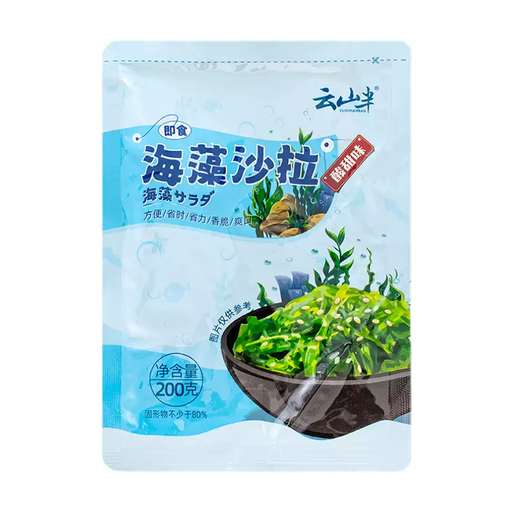
Why this fits the profile: The 200-gram pack is a manageable size for a first taste of wakame salad or a meal for a few people.
The net weight and nutritional values are clearly stated. This means you don’t buy a large stock before you know whether the flavour suits your dishes.
200 g content, wakame as an ingredient, and a stated 40 kcal and 2.9 g salt per 100 g according to the product information.
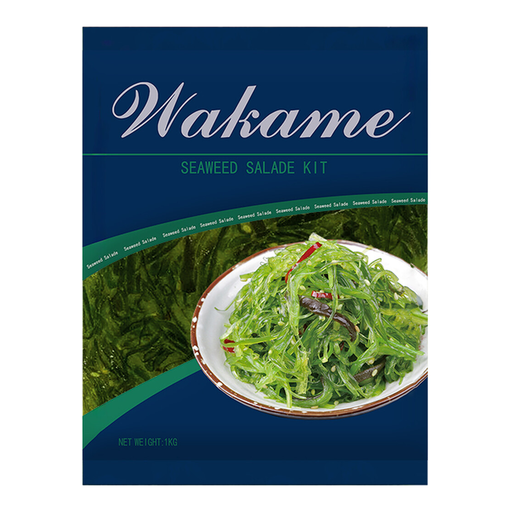
Why this fits the profile: This seasoned variety combines seaweed with agar, black fungus, sesame oil, rice vinegar and chilli for a more complex flavour profile.
The product information lists not only the seaweed, but also the flavour-enhancing ingredients and allergens. This allows you to compare more precisely.
250 g pack, 76% seaweed according to the listing, and suitable as a side dish or topping. Store frozen.
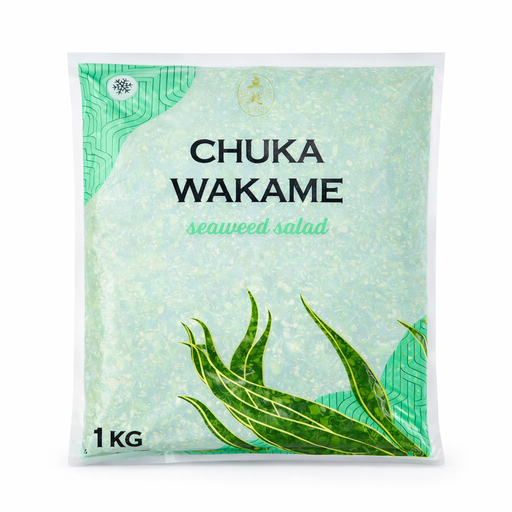
Why this fits the profile: The 1 kg pack is ideal for food service, buffets, larger households and anyone who regularly serves Japanese seaweed salad.
It is clearly a frozen product that can be eaten straight after defrosting. This avoids confusion about preparation, as long as you maintain the cold chain.
1 kg content, just defrost and it’s ready, and according to the product listing it contains none of the 14 major EU allergens.
We’ve put together a full, up-to-date list of products that fully meet these strict selection criteria and comply with current European safety regulations.
Not always. Wakame salad refers to a salad in which wakame is the main seaweed. The exact composition can vary by brand, for example with the addition of agar, mushroom, sesame, vinegar, sugar or chilli. So always check the ingredients list.
Follow the best-before date and storage conditions on the packaging. Keep a frozen product at the stated freezer temperature. Once defrosted, you must store it in the fridge and use it within the stated period. Do not refreeze a defrosted seaweed salad.
Defrost a frozen variety according to the pack instructions and serve it cold as a side dish. You can also use the salad with sushi, noodles, rice, tofu or a poké bowl. Taste it first before adding extra soy sauce or salt, as the existing dressing can already be quite savoury.
