
Vandaag of morgen in huis

Kwaliteit gegarandeerd

Welkomstaanbiedingen ontgrendelen: GRATIS bezorging | Tot 80% korting | Gratis 30 dagen JoyPlus-proefperiode
Download de app
When you want to buy seaweed online, you will quickly come across dozens of varieties, formats and flavours. A sheet of nori for sushi requires different qualities from a crispy seaweed snack for eating on the go. Terms such as “premium”, “healthy” and “authentic” also say very little about what is actually inside the pack.
This practical buying guide helps you compare nori seaweed, roasted seaweed, wakame and seasoned seaweed using verifiable product information. That way, you can avoid buying too few sheets, choosing a snack with unexpected allergens or purchasing a pack that quickly turns soft after opening.
A 20-gram pack may contain a few large sheets of seaweed, while a snack pack may consist of several small bags. So do not look only at the weight. Also check:
For sushi, maki and onigiri, full seaweed sheets are usually more convenient. For rice, noodles and salads, cut or crumbled seaweed may be more practical.
Dried seaweed is not always intended to be eaten as a snack straight away. Wakame, for example, is often soaked first and then used in soup or salad. Roasted seaweed, such as nori, is usually thin and crisp. A seasoned snack will often also contain oil, salt, sugar or flavourings.
So check how the product is intended to be used:
Nutritional values can vary considerably between plain seaweed and seasoned snacks. Oil and flavourings can increase the fat and salt content. According to the product information, for example, TAOKAENOI Crispy Seaweed Original contains palm oil, salt, white pepper and flavour enhancers. The Tom Yum Goong variety contains, among other ingredients, prawn powder and soya.
Always read the ingredients list, allergen information and nutrition table on both the product page and the packaging. The packaging takes precedence if the information differs. A brand’s claim about flavour or nutritional benefits should be treated as a marketing claim; check the actual ingredients yourself.
For sushi, the size is an important consideration. According to the product description, Miyamoto Roasted Seaweed has sheets measuring 19 × 21 cm and contains 100 sheets. This is suitable for families, larger sushi preparations or regular use in a professional kitchen.
According to the product information, Saitaku Nori contains 5 sheets. O’Food Roasted Seaweed for Sushi is a 20-gram pack made from 100% seaweed. Obento Yaki Nori contains 50 sheets with a total weight of 125 grams. These quantities make it easier to compare the price per sheet.
Plain nori sometimes consists solely of seaweed. Saitaku lists “red algae from aquaculture” as an ingredient. According to the product information, Delief Roasted Seaweed Sushi Nori contains roasted laver seaweed and salt.
Snacks may contain additional ingredients, such as:
Anyone with allergies should check the current packaging. According to the product description, Yamaei Crunchy Nori Ten Chips Wasabi contains, among other ingredients, wheat, egg and soya. 7FRESH Original flavour nori lists sesame as an allergen. The presence or absence of allergens may change between product versions.
Seaweed quickly absorbs moisture from the air. As a result, a crispy seaweed snack can become soft. If you snack on seaweed regularly, individual portions or a resealable pack are usually the best choice. Store seaweed according to the product instructions in a cool, dry place, away from direct sunlight and heat and moisture.
Once opened, it is often best to consume it promptly. Also check the best-before date and do not use a pack if it is damaged.
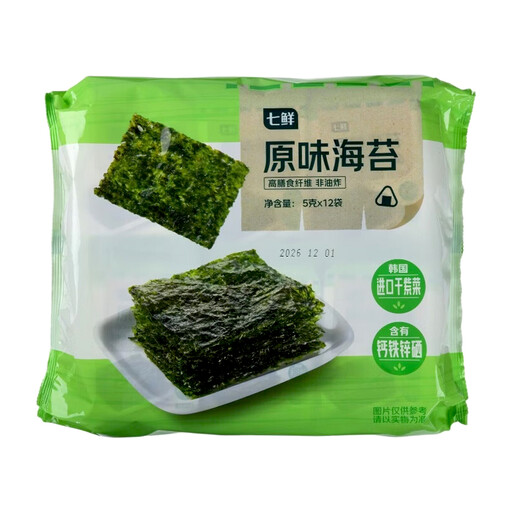
Why it suits this profile: This ready-to-eat Korean seaweed snack is easy to open and take with you. The 60-gram portion is suitable for eating straight away or serving as a side dish.
The product information clearly lists the ingredients: nori, maize oil, sesame oil and salt. This makes the difference from plain sushi nori immediately clear.
60 grams of product, individually packaged and, according to the description, ready to eat straight away. Please note: sesame is listed as an allergen.
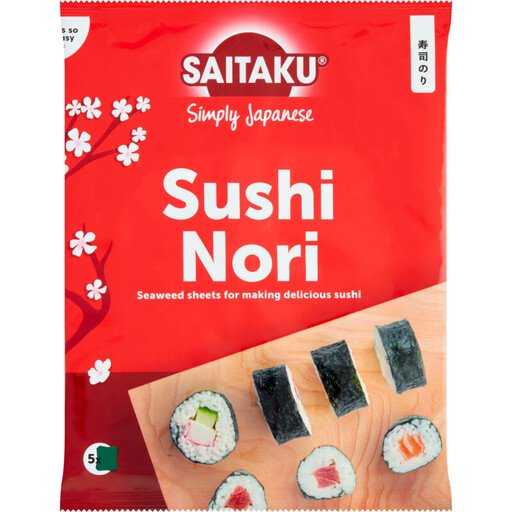
Why it suits this profile: If you are looking for a pure base for sushi, the product description says this nori comes from the first harvest and has a dark colour with a pronounced seaweed flavour.
The intended uses are clear: sushi, stir-fries and salads. So you will not accidentally buy a snack with oil and seasoning when you need plain nori.
5 sheets per pack and, according to the ingredients list, red algae from aquaculture. Check the sheet size if you are following a specific sushi recipe.
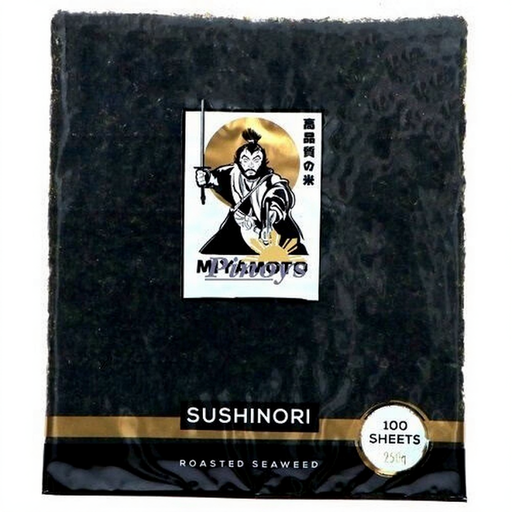
Why it suits this profile: The large pack is aimed at households, parties, meal prep and food service. According to the product description, the sheets measure 19 × 21 cm.
The number of sheets and their size are clearly stated. This makes the pack easier to compare than a product described only as a “family pack”.
100 roasted sheets, suitable for sushi, kimbap, wraps and creative dishes. According to the ingredients list, the product consists of 100% roasted seaweed.
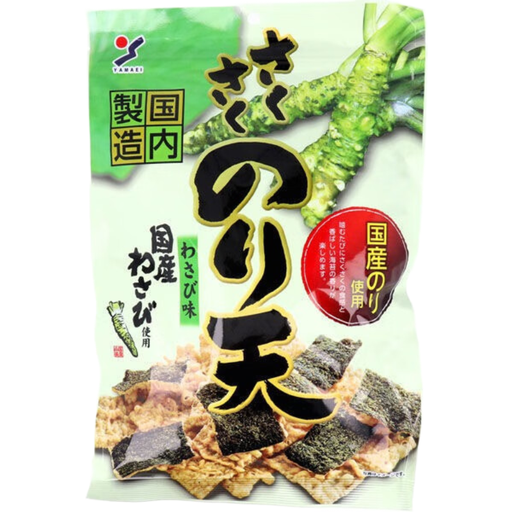
Why it suits this profile: This Japanese seaweed snack combines seaweed with crispy tempura batter and wasabi seasoning. It is designed for eating straight away, not for use as a sushi sheet.
The product description clearly mentions the tempura batter and the strong wasabi flavour. This means you know in advance that wheat, egg and soya are listed in the ingredients and allergen information.
70 grams of product and a crispy texture from the tempura coating. Suitable for home, work or eating on the go; check the allergens before consuming.
We have put together a complete, up-to-date list of products that fully meet these strict selection criteria and the applicable European safety regulations.
Choose sushi nori or roasted nori sheets that explicitly state they are suitable for sushi, maki or onigiri. Check the number of sheets and their size. Wakame and cut kelp are generally intended for soup, salads or serving as a side dish, and are not practical for rolling sushi.
Store the pack in a cool, dry place, tightly sealed and away from moisture and direct sunlight. Individual portions generally retain their crispy texture more easily because the whole supply is not exposed to air at once. Always follow the storage instructions on the packaging.
That depends on the ingredients and your personal preference. Plain roasted seaweed usually contains few ingredients, while a seasoned or crispy snack may contain oil, salt, sugar, wheat or other flavourings. So compare the nutrition table per 100 grams and check that the flavour and texture suit how you intend to use it.
