
Vandaag of morgen in huis

Kwaliteit gegarandeerd

Welkomstaanbiedingen ontgrendelen: GRATIS bezorging | Tot 80% korting | Gratis 30 dagen JoyPlus-proefperiode
Download de app
If you’re looking to buy seaweed online, you’ll come across a wide range of types, packaging and preparation methods. A small bag of roasted seaweed for sushi is quite different from a bulk pack of wakame for soup or a ready-to-eat spicy kelp snack.
The packaging may look appealing, but it’s the information on the back that really matters. Three common pitfalls to watch out for:
Your intended use determines the right choice. When buying seaweed online, first consider the preparation method and format.
Nori sheets are thin, dried or roasted sheets suitable for sushi rolls, kimbap, rice balls and wraps. A sheet measuring roughly 19 × 21 cm gives you plenty of room to roll or fold. For regular use, a pack of 100 sheets can be practical for families, parties or small catering businesses.
Roasted nori is usually crisp and ready to use straight away. Keep the packaging tightly sealed, as moisture will make the sheets soft.
Wakame is a popular choice as seaweed for miso soup, salads and Japanese dishes. Dried wakame expands noticeably in volume after soaking. Always check the instructions on the pack. Some products recommend soaking the seaweed in cold water for 5 to 10 minutes and then draining it thoroughly.
If you want to buy wakame for regular cooking, you can choose a pack of 50 to 250 grams. For a large family, restaurant or meal-prep use, a bigger pack makes more sense, as long as you store the product in a dry, sealed container.
A ready-to-eat kelp snack, Korean seaweed or roasted seaweed is designed to be eaten straight from the packet. Flavours range from natural and savoury to sour and spicy. With marinated varieties, watch out for allergens such as soya, mustard, sesame or wheat.
A seaweed topping in strips or flakes works well on rice, noodles, porridge, salads and sushi. This format is more convenient than whole sheets when you mainly want to add extra texture and a savoury flavour to a dish.
Check whether the product is 100% seaweed or whether oil, sugar, spices, soya sauce, sesame or flavour enhancers have been added. A product made from 100% dried wakame has a different purpose than a seasoned snack.
Allergens must be clearly listed on the label. For example, the product information for some snacks mentions soya and mustard. Roasted varieties with soya sauce may also contain soya and wheat. If you have an allergy or intolerance, always check the current packaging.
Don’t just compare the price of the pack. Look at:
A pack of 100 nori sheets is suitable for heavy use, whereas a 20-gram bag of dried seaweed is handy for trying a product for the first time. For snacks, individual portions can help keep the product fresh and crispy.
Dried products should be stored in a cool, dry place away from direct sunlight. Seal the packaging tightly after opening and avoid contact with moisture. Some products are ready to eat; others need to be rinsed, soaked or cooked.
Also pay attention to the instructions after opening. A chilled, marinated kelp snack may need to be consumed within a certain period. The best-before date and storage instructions on the pack are your guide.
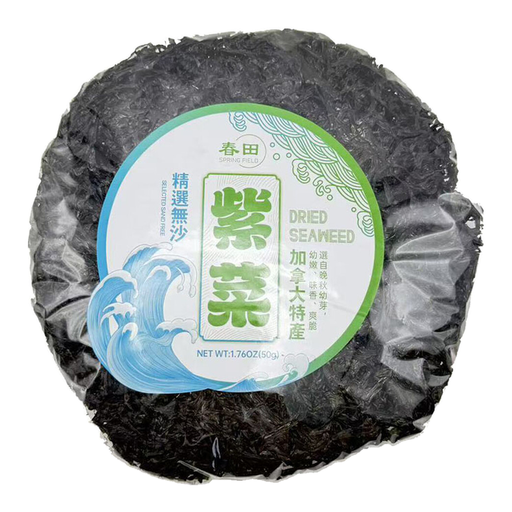
Why this fits the profile: The 50-gram pack is a manageable size for anyone wanting to try dried seaweed for the first time in soup, sushi, rice balls or as flakes.
The product information lists laver as the only ingredient and clearly states the net weight.
50 g, 100% laver according to the product information, and suitable for multiple dishes.
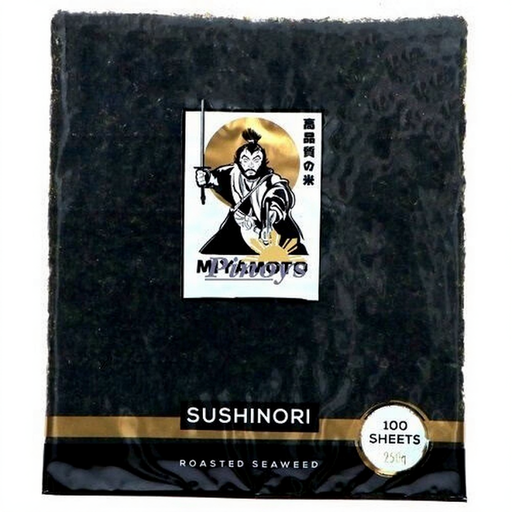
Why this fits the profile: The large sheets measuring 19 × 21 cm are practical for sushi, kimbap, wraps and bigger cooking sessions.
The number of 100 sheets and the sheet size are clearly stated, so you can easily compare this pack with smaller bags.
100 roasted sheets, size 19 × 21 cm, and according to the product information, 100% seaweed.
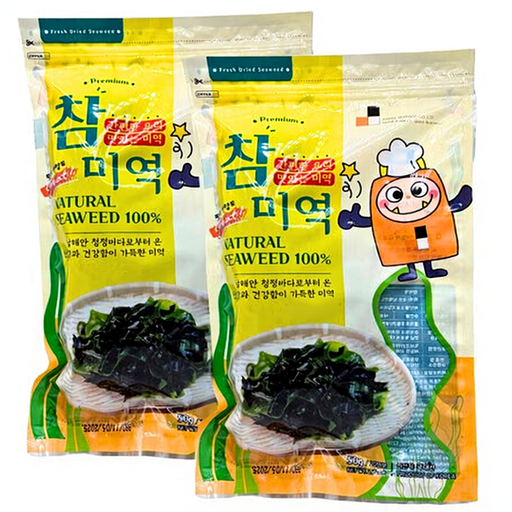
Why this fits the profile: The product information mentions a bulk pack with individual sachets, which can be handy for larger households, restaurants or regular use.
The intended use, ingredients and preparation method are all stated, so you know soaking is required and that it’s not a ready-to-eat snack.
100% dried wakame according to the product information, intended for soups, salads and Japanese dishes.
We’ve put together a full, up-to-date list of products that fully meet these strict selection criteria and comply with current European safety regulations.
Dried wakame is commonly used for miso soup. Soak the product according to the label and drain it thoroughly before adding it to the soup. Check whether the product is purely dried or already seasoned.
Roasted nori sheets are usually ready to eat. You can use them for sushi, rice balls, kimbap or as crumbled seaweed topping. Store opened sheets in an airtight container to prevent them from losing their crispness due to moisture.
The shelf life is stated on the packaging. Unopened dried seaweed generally lasts longer than an opened product, but moisture and heat can affect the texture. Seal the packaging tightly and always follow the storage and usage instructions provided.
