
Vandaag of morgen in huis

Kwaliteit gegarandeerd

Welkomstaanbiedingen ontgrendelen: GRATIS bezorging | Tot 80% korting | Gratis 30 dagen JoyPlus-proefperiode
Download de app
If you want to buy seaweed, you will quickly come across dozens of varieties, pack sizes and flavours. However, they are not all intended for the same use. A sheet for sushi behaves differently from a seasoned Korean seaweed snack, while dried wakame needs to be soaked first.
Most disappointing purchases usually come down to three simple mistakes:
The intended use determines which type you need.
Japanese nori, also known as sushi nori or yaki nori, consists of thin roasted seaweed sheets. You can use it for maki, temaki, onigiri, kimbap or wraps. Pay attention to the size and cut: whole sheets measuring approximately 19 x 21 cm are versatile, while half-cut sheets are quicker to use for small sushi rolls.
A neutral ingredients list, such as roasted seaweed only or seaweed with salt, is better suited to sushi than a variety containing oil and strong seasoning.
Wakame seaweed is usually sold dried and used in miso soup, noodle dishes, salads and side dishes. It absorbs water when soaked, meaning a small amount can expand considerably. Always check the preparation instructions on the packaging and do not automatically use the same quantity as you would with fresh ingredients.
Sliced dried seaweed is convenient for soup or as a topping. Whole sheets are less suitable if you only want to measure out a small amount.
A Korean seaweed snack is generally roasted and seasoned with oils such as corn, rapeseed, olive or sesame oil. Some varieties are lightly salted, while others feature wasabi, chilli, teriyaki, barbecue or bulgogi flavours.
These products are ready to eat straight away, but can also be used as a topping for rice, noodles, soup or salad. Pay particular attention to the ingredients and allergens when buying for children or serving guests with food allergies.
For sushi, the number of sheets is a practical consideration when buying. A pack of 50 sheets is suitable for regular use at home; 100 sheets may make more sense for families, parties or professional use. Also look at the sheet surface area. A large 19 x 21 cm sheet offers more possibilities for sushi, wraps and rice balls.
For snacks, the number of bags matters more than the number of sheets. Individual portions remain sealed until you are ready to eat them, helping to preserve their crisp texture.
Always check the current packaging. Online product information may change and does not replace the label. Look out for:
A product made from 100% dried wakame or roasted seaweed has a different composition from a seasoned snack. According to the product information provided by some brands, a variety contains none of the 14 major EU allergens, but always check this again on the packaging.
Store nori, wakame and snacks in a cool, dry place, away from direct sunlight and sources of heat and moisture. Seal the packaging carefully after opening. For small snack bags, eating them immediately is practical; for larger packs, an airtight container can help preserve the texture.
Do not use a pack if it is damaged. The exact best-before date and any additional information are shown on the label.
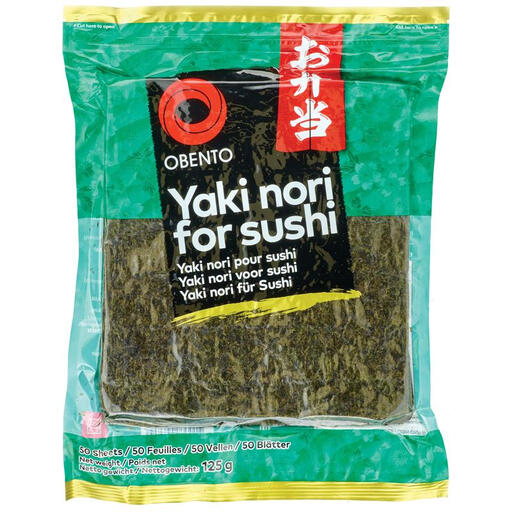
Why it suits this profile: A straightforward pack of 50 roasted sheets for sushi, snacking or everyday cooking.
The number of sheets and net weight are clearly stated, so you do not have to judge the product by the number of packs alone.
50 sheets, 125 g and suitable for sushi and snacks; according to the product information, free from artificial colourings, flavourings and preservatives.
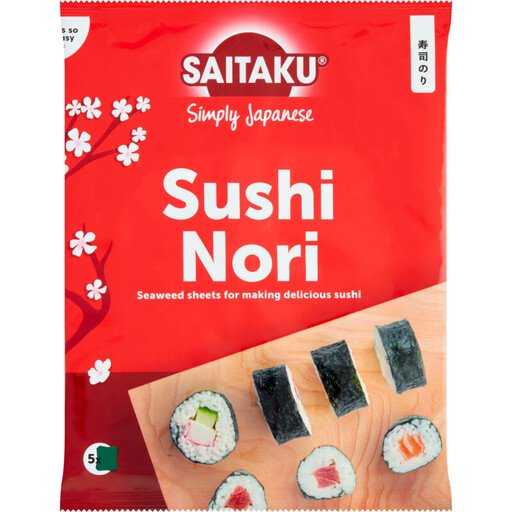
Why it suits this profile: Ideal for home cooks who value a smaller pack and a mild, pure seaweed flavour for sushi.
The pack contains five sheets, helping to reduce leftovers when you only make sushi occasionally.
Made from red algae grown in aquaculture; suitable for sushi, stir-fries and salads.
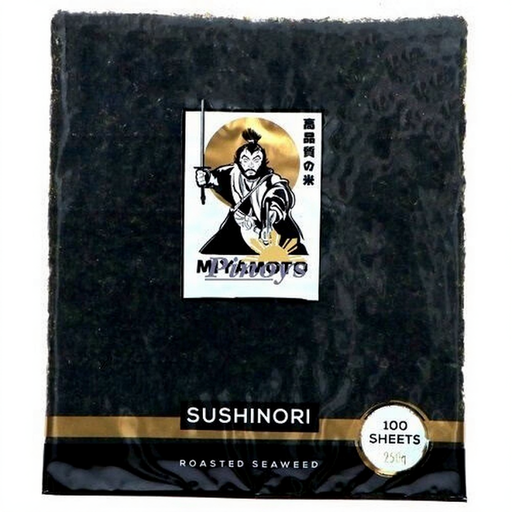
Why it suits this profile: A generous supply for families, sushi evenings, catering or professional kitchens.
The large number of sheets makes the cost per use clearer than with small snack packs.
100 sheets measuring 19 x 21 cm, described as suitable for sushi, kimbap, wraps and creative dishes.
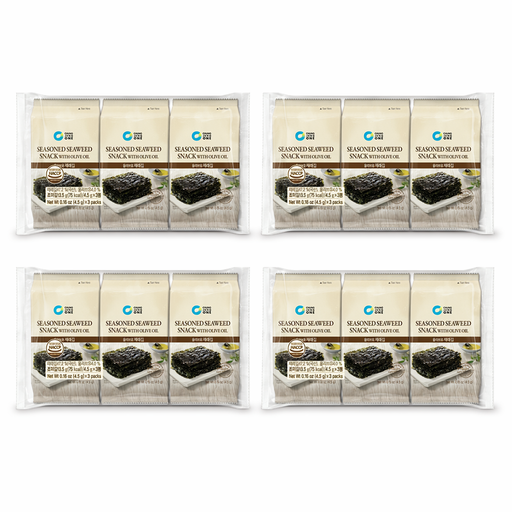
Why it suits this profile: Individual portions are practical for lunch boxes, eating on the go or keeping a supply that can be opened one serving at a time.
The 12 bags limit exposure to air and moisture after opening a single portion. Do note the stated sesame allergen.
12 servings of 4.5 g, with olive oil and a crisp texture; also suitable as a topping.
Choose wakame when you want to use seaweed in soup, salad or a hot dish. Choose nori when buying seaweed for sushi, kimbap, wraps or rice balls. A ready-to-eat seaweed snack is especially convenient when no preparation is required.
Would you like to compare different sizes and uses side by side? Explore the full range of edible seaweed.
We have put together a complete, up-to-date list of products that fully meet these strict selection criteria and the applicable European safety regulations.
Choose a pack containing whole, roasted sheets and check the size. Yaki nori and sushi nori are generally suitable for maki and other rolls. A strongly seasoned snack is less practical when you want to choose the flavour of the rice and filling yourself.
Store the pack in a dry, cool place and keep it tightly sealed. Ideally, use opened sheets relatively soon. Individual bags are convenient because they prevent the entire supply from being exposed to air and moisture at once.
No. Dried seaweed, such as wakame, is usually intended to be soaked or cooked. A roasted seaweed snack is ready to eat and often contains oil, salt, sesame or other seasonings. Always read the ingredients list before placing your order.
