
Vandaag of morgen in huis

Kwaliteit gegarandeerd

Welkomstaanbiedingen ontgrendelen: GRATIS bezorging | Tot 80% korting | Gratis 30 dagen JoyPlus-proefperiode
Download de app
Anyone looking to buy seaweed will quickly find dozens of options online: nori sheets, wakame, kelp, roasted seaweed and ready-to-eat seaweed snacks. These products are not interchangeable, however. A snack for on the go serves a different purpose from dried seaweed for miso soup or seaweed for sushi.
The packaging can also be misleading. A large bag does not necessarily mean you are getting a substantial amount of usable product, while terms such as “natural” reveal little about the salt, oil or flavourings inside. Use the following checkpoints to make a more informed choice.
With lightweight products such as nori and roasted seaweed, a large bag can look impressive even when the net weight is modest. Always check the weight in grams, number of sheets or number of portions first. A pack containing 100 sheets, for example, is much easier to assess than a bag that only appears large in the product image.
Not every product is suitable for eating straight from the pack. Roasted seaweed and many seaweed snacks are ready to eat. Dried wakame and some types of kelp need to be soaked or cooked first. Product pages may list broad uses such as soup, salad and sushi, but always check the preparation instructions.
A spicy seaweed snack may contain chilli, oil, sugar, flavour enhancers or preservatives. According to its specification, Wei Long Fengchi Kelp consists of 76% kelp; the remainder includes water, oil, salt, chilli, pickled ginger, mustard flavouring and flavour enhancers. It is therefore quite different from plain dried seaweed.
Also check the allergens. This snack lists soy and mustard. Other products may contain soy, wheat or sesame, for example.
For seaweed for miso soup, wakame is a practical choice. Dried wakame generally needs to be soaked in water for a few minutes. The instructions for Sam’s Club Organic Wakame recommend soaking it in cold water for 5 to 10 minutes, then draining it thoroughly. Its volume increases after soaking, so do not automatically use the entire dry weight.
Some types of dried kelp, by contrast, should be rinsed and cooked. Shiyuedaotian Purple Seaweed, supplied in a 100-gram pack, states that the product should be rinsed before use and requires cooking. This is not the same as a ready-to-eat kelp snack.
For a neutral base in soup, rice or salad, single-ingredient products are the clearest option. Examples include dried wakame, dried laver and sliced seaweed. With snacks, additional ingredients are deliberately part of the flavour profile.
Compare the following:
Nutritional values and ingredients may vary between packages. Use the current product label as your reference.
For occasional sushi-making, a small pack of nori sheets is often sufficient. O’Food Roasted Seaweed for Sushi contains 20 grams and, according to the product information, is made from 100% seaweed. For families, parties or regular use, a large pack of sheets may be more convenient. Miyamoto Roasted Seaweed contains 100 sheets measuring 19 × 21 cm, suitable for sushi, kimbap, wraps and other recipes.
A large pack can offer a lower cost per sheet, but only if you use the product before it loses quality. Once opened, roasted seaweed should be sealed carefully and stored in a dry place. Moisture will make the sheets limp.
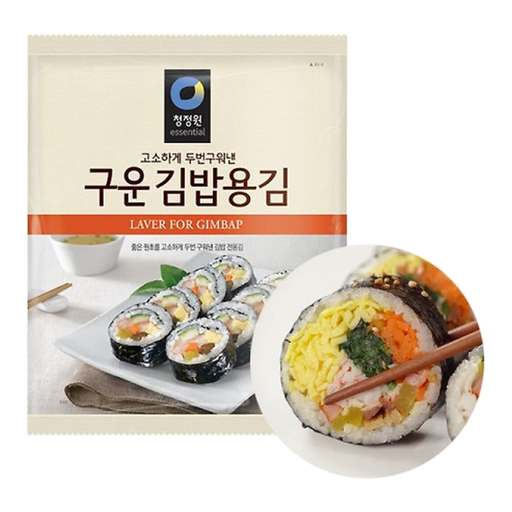
Why This Fits Their Persona: A straightforward pack for anyone who occasionally makes sushi, rice rolls or Asian-inspired dishes at home.
The 20-gram net weight is clearly stated, and the ingredients list identifies 100% seaweed. No hidden flavourings appear in the listed composition.
Roasted, suitable for sushi and sourced from South Korea according to the product information.
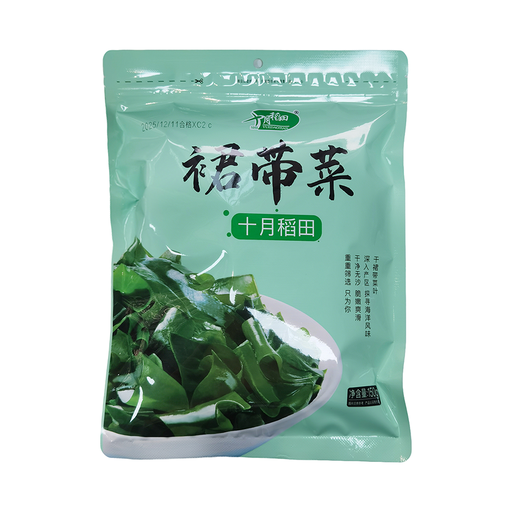
Why This Fits Their Persona: Ideal for home cooks who want to use wakame in soup, salad or other Chinese and Japanese dishes.
The ingredient list is simple: dried wakame and salt. That makes it easy to see what you are buying, although you should note the relatively high salt content on the label.
150 grams of dried wakame; useful as an ingredient rather than only as a snack.
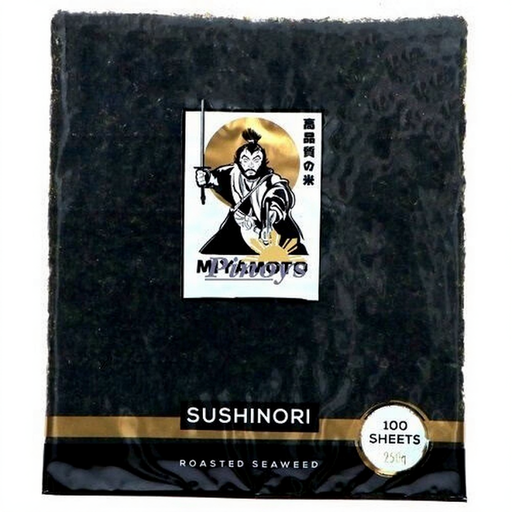
Why This Fits Their Persona: A generous pack of sheets for families, parties, regular sushi nights or professional use.
The specifications include not only the sheet count but also the 19 × 21 cm dimensions. This makes it easier to match the pack to your recipes.
100 roasted sheets; suitable for sushi, kimbap, wraps and creative recipes.
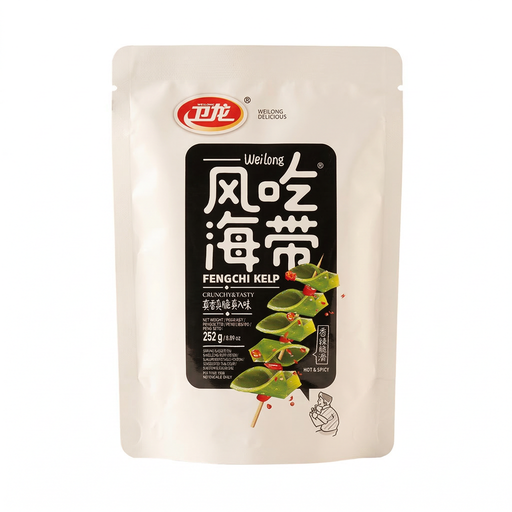
Why This Fits Their Persona: For anyone looking for a ready-to-eat Asian seaweed snack with a distinctly hot and sour flavour.
The product information specifies the kelp percentage, flavourings, allergens and 28 individual packs. This makes its snack format clearer than a generic product name would.
252 grams in total; 76% kelp; ready to eat and divided into 28 portions.
Browse a current selection of dried kelp and compare the product format, weight, ingredients and preparation instructions before ordering.
Store dried seaweed in a cool, dry place, away from direct sunlight and sources of heat and moisture. Reseal the package securely after use. Roasted seaweed in particular quickly loses its crisp texture when exposed to moisture.
Marinated snacks may come with different storage instructions. The 400-gram pack of Wei Long Fengchi Kelp states that it should be refrigerated after opening and consumed within seven days. Always follow the date and storage guidance on the packaging, even when an online listing suggests that the product has a longer shelf life.
For sushi, roasted nori sheets are the most practical choice. Check the sheet dimensions, number of sheets and whether the product is plain seaweed or already seasoned. Seasoned snack sheets are not always suitable for rolling tightly around sushi.
Wakame is a common choice for miso soup. Prepare dried wakame according to the instructions: usually soak it first, drain it and then add it to the soup. Check whether the product needs to be cooked and take its salt content into account.
The shelf life is stated on the packaging. Unopened dried seaweed generally remains usable for longer than an opened pack, but moisture and heat affect its texture. Store it airtight and use an opened pack according to the stated instructions.
