
Vandaag of morgen in huis

Kwaliteit gegarandeerd

Welkomstaanbiedingen ontgrendelen: GRATIS bezorging | Tot 80% korting | Gratis 30 dagen JoyPlus-proefperiode
Download de app
If you're looking to buy seaweed for sushi, ramen, salads or as a snack, you'll quickly come across dozens of packets labelled "premium", "crispy" and "authentic". On their own, these words don't tell you much. The real difference usually lies in the type of seaweed, the number of sheets, the ingredients and how you plan to use the product.
You often only realise you've made the wrong choice when you get home: nori goes limp during rolling, a snack turns out to be high in oil or salt, or a bulk pack isn't suitable for occasional use. With these practical checkpoints, you can compare products based on information you can actually verify.
Not all roasted seaweed is suitable for sushi. A ready-to-eat seaweed snack often contains oil, salt, sesame or seasonings. This adds extra flavour, but it can make the sheet softer or more brittle when you fill it with rice.
For sushi, hand rolls and onigiri, it's best to choose a product that clearly states it is sushi nori, yaki nori or seaweed sheets for sushi. For eating straight away, seasoned Korean snacks are actually more practical.
A packet with lots of sheets may seem good value, but the size and weight also matter. A sheet measuring roughly 19 x 21 cm gives you more room for maki, kimbap or wraps than a smaller sheet. So divide the price by the number of sheets and also check the weight.
A bulk pack is mainly worthwhile for families, parties, meal prepping or catering use. If you only make sushi now and then, it's better to start with 5 or 10 sheets.
"Seaweed" on the front doesn't automatically mean the product is 100% seaweed. Roasted sheets can contain just seaweed, whereas snacks often include oil, salt, sugar, sesame or flavourings. Also check for allergens. Furikake seasonings, for example, often contain sesame and soya; some varieties may also contain wheat, peanuts or nuts.
The packaging is what counts. Product information online can change, and claims such as "vegan" or "gluten-free" should always be checked on the current label.
Nori is dried and roasted seaweed in thin sheets. It's used for sushi rolls, temaki, rice balls and as a topping. Pay particular attention to:
For beginners, 10 sheets is a manageable amount. If you make sushi often or cook for several people, 50 or 100 sheets are more practical.
Dried wakame is not a sheet for sushi, but a seaweed that you usually need to soak first. Its volume increases as a result. Use small amounts in miso soup, noodle soup, salad or as an addition to a rice dish.
With a bulk pack, check whether the stated quantity refers to one bag or several sachets. Store dried wakame in a dry, airtight container. The nutritional values, including the sodium content, vary from product to product; so compare the label before buying a larger supply.
A Korean seaweed snack is usually ready to eat straight away. Products can be plain or flavoured with, for example, sesame oil, corn oil, wasabi, teriyaki or chilli. When comparing, look at:
A small portion pack is handy for a lunchbox or on the go. A larger bag is better for sharing or regular use, but it loses its crispness more quickly once opened.
For sushi, the dimensions are more important than marketing terms. A sheet of 19 x 21 cm is suitable for full sushi rolls, kimbap and wraps. Half-cut sheets can be handy for smaller rolls or onigiri.
With snacks, don't just compare the number of bags, but also the weight per bag. Three bags of 4 grams, for example, are priced and intended differently from one pack of 60 or 85 grams.
Read the ingredients from start to finish. If it says seaweed (100%), then it's a natural product according to the stated product specification. With flavoured varieties, oil, salt, sugar, sesame, soya or flavour enhancers may have been added.
Bear in mind that "no allergens stated" is not always the same as "suitable for all allergies". Some product descriptions mention possible traces of fish or shellfish. If you have an allergy, the current label remains the most important source.
Moisture is the biggest enemy of nori. Store opened packs in a cool, dry, airtight place, away from sunlight and heat. Use a sheet soon after opening the pack. If nori goes soft, roasting it in a dry pan can sometimes help, but always follow the instructions on the label.
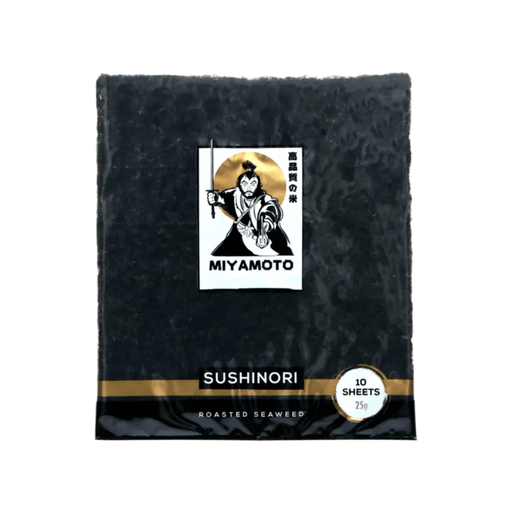
Why this suits the profile: Ten roasted sheets are a manageable amount for a first sushi night, hand rolls or rice balls.
The product is specifically described for sushi and contains 10 sheets, so you don't have to buy a large supply before you know how much you'll use.
Roasted nori, 10 sheets, suitable for sushi, hand rolls and rice balls. The product description states a vegan and gluten-free recipe; check the current label.
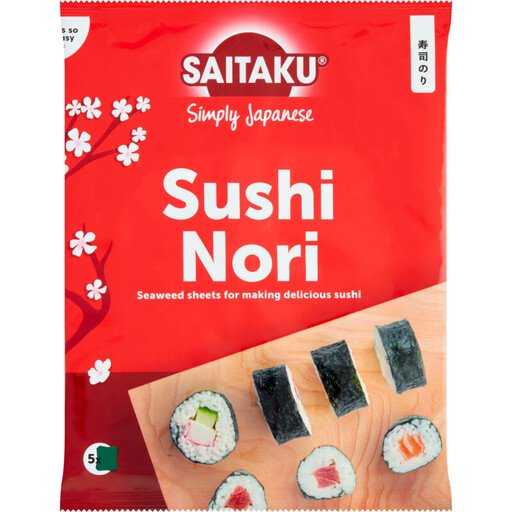
Why this suits the profile: Ideal for those looking for a compact pack of 5 sushi sheets and who value a stated origin and usage instructions.
The number of sheets and the weight are clearly stated. This means you can compare the product without relying solely on terms like "premium".
5 sheets, made from red algae from aquaculture according to the product information, with uses for sushi, stir-fries and salads.
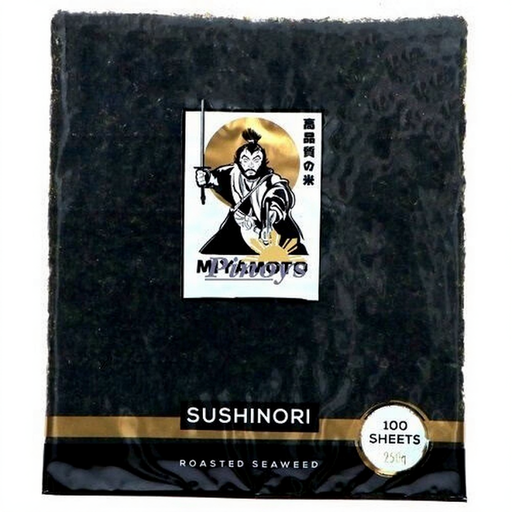
Why this suits the profile: A pack of 100 sheets is ideal for large families, cooking groups, parties and regular use in a professional kitchen.
The large number of sheets is clear from the start. So you're not paying for a small snack pack when you actually want to make lots of sushi, kimbap or wraps.
Size of 19 x 21 cm, 100 sheets and, according to the product information, roasted seaweed with 100% seaweed as the ingredient.
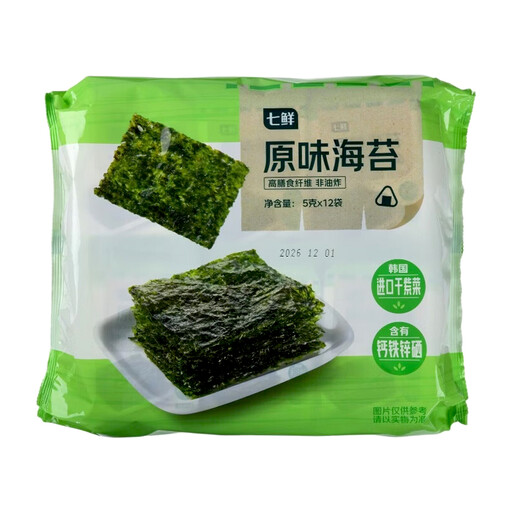
Why this suits the profile: This is a ready-to-eat Korean seaweed snack in a 60g pack, designed to be eaten straight away or served as a side dish.
The description makes it clear that this is a snack, not plain sushi nori. The ingredients list seaweed, corn oil, sesame oil and salt.
60g, individually sealed according to the product information and ready to use straight away. Contains sesame; check the current label if you have an allergy.
We've put together a full, up-to-date list of products that fully meet these strict selection criteria and comply with current European safety regulations.
Store nori in a dry, cool, airtight place. Keep the pack away from steam and direct sunlight. Use opened sheets as soon as possible, because moisture reduces their crispness.
Nori is usually used as a thin sheet for sushi, onigiri and wraps. Dried wakame is typically soaked and added to soup, salad or noodle dishes. So they are not interchangeable.
That depends on the variety. A furikake seasoning mix can contain seaweed, sesame, soya, sugar and dried vegetables, but also other flavourings. So check the full ingredients list and allergen information on the pack before ordering.
