
Vandaag of morgen in huis

Kwaliteit gegarandeerd

Welkomstaanbiedingen ontgrendelen: GRATIS bezorging | Tot 80% korting | Gratis 30 dagen JoyPlus-proefperiode
Download de app
Are you looking to buy seaweed for sushi, an Asian dish or as a snack? You'll quickly come across many different packets, preparation methods and product names. Nori, wakame, kelp and laver are not simply interchangeable. The difference between roasted seaweed, dried seaweed and a ready-to-eat seaweed salad also affects flavour, preparation and shelf life.
An attractive packet doesn't always tell the full story, either. So pay particular attention to the following common pitfalls.
A seaweed snack is usually already roasted and seasoned. You can eat it straight away, but it isn't always suitable for rolling sushi or using in soup. For sushi, you typically need dry, flat sheets. For soup or salad, wakame is a better fit, as it becomes soft again after soaking.
With seaweed, the weight doesn't tell you everything. A 20g packet might contain several snack portions, whereas 100 sheets of nori are relatively light. So also check the number of sheets, portions or sachets. For a family or food service, a bulk pack can be better value, but only if you use the product in time and seal it properly.
Roasted seaweed can contain oil, salt, sugar, sesame or soy sauce. Seasoned kelp may also include mustard, soya and flavour enhancers. Always check the ingredients list and allergen information. A product that sounds "pure" or "natural" on the packet can still contain extra spices or salt.
If you want to buy nori for maki, onigiri or gimbap, you'll typically choose dried or roasted sheets. Pay attention to the size and whether the sheets are already roasted. A packet of 5 to 10 sheets is practical for a small amount of sushi. For regular use, 50 or 100 sheets are more worthwhile.
For sushi, seaweed sheets for sushi are usually flat and large enough to wrap around rice and filling. You can also cut nori into strips for noodle soup or crumble it as a topping.
Wakame seaweed is usually sold dried and needs to be rinsed or soaked before use, according to the packet instructions. Its volume increases as it does so. Therefore, use small amounts and allow for the preparation time.
Wakame works well in miso soup, noodles and salads. Dried varieties such as Wakame - Natural Dried Seaweed 100% 50g and Undaria Pinnatifida 150g are intended to be prepared first. The product information for these items states that they should be stored dry; for Undaria Pinnatifida, it also notes that the product can be used for Chinese dishes.
Roasted seaweed is crispy and often ready to eat straight away. The flavour ranges from lightly salted to spicy with sesame oil or olive oil. Individually wrapped portions are handy for a lunchbox. A bag of cut seaweed works well as a topping for rice, ramen and salads.
With snacks, pay extra attention to the portion size. The nutritional values are often given per 100g, whereas in practice you'll eat a much smaller portion. So also compare the salt, oil and sugar content per portion when that information is available.
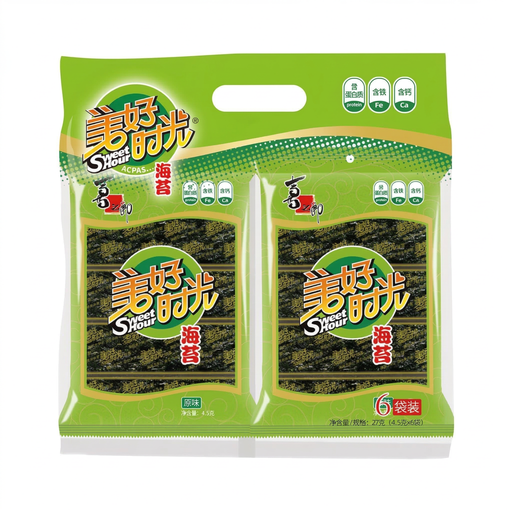
Why this fits the profile: Six individually wrapped portions are easy to manage for a first taste, lunchbox or snack on the go.
The portion packaging makes it clear how much you use each time. According to the description, the product is ready to eat and does not need soaking.
27g total, divided into 6 portions; seasoned with soy sauce and sugar. Note: contains soya and wheat.
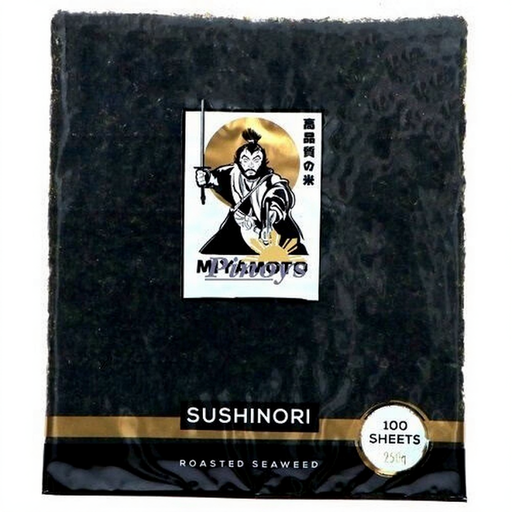
Why this fits the profile: The large pack is ideal for enthusiasts who regularly make sushi, kimbap or wraps.
The number of sheets and size are clearly stated: 100 sheets of 19 × 21 cm. This means you're not comparing by weight alone.
Roasted sheets, 100% seaweed according to the product information, and suitable for sushi, kimbap and wraps.
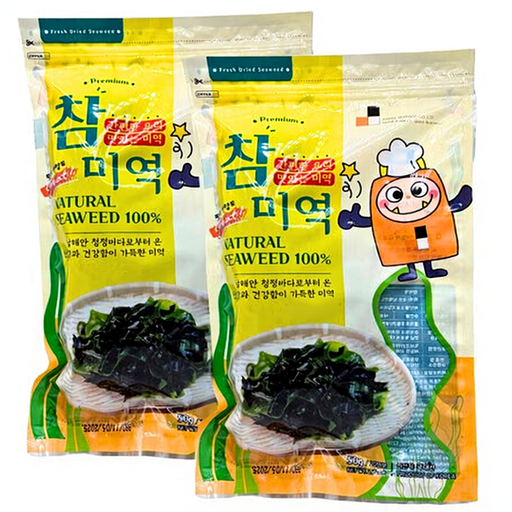
Why this fits the profile: Suitable for home cooks, restaurants and families who use wakame in soup, salad or Japanese dishes.
The product information clearly states that this is 100% dried wakame and that the product needs to be prepared before use.
50g dried wakame, with no other listed ingredients; suitable for soups and salads.
We've put together a full, up-to-date list of products that fully meet these strict selection criteria and comply with current European safety regulations.
Choose flat nori or laver sheets and check the number of sheets per packet. For sushi, roasted sheets are practical because they can be used straight away around rice and filling. Store the opened packet in a dry place and seal it well.
Nori is usually used as a thin sheet for sushi, rice balls and toppings. Wakame is typically sold dried in pieces or strips and is used after soaking in soup, salad or hot dishes. They therefore have a different format and require different preparation.
Store dry seaweed in a cool, dry place away from direct sunlight. Seal the packet airtight to keep moisture out. A frozen product, such as a ready-to-eat seaweed salad, should be stored according to the temperature on the label. After thawing, follow the stated storage period and do not refreeze the product.
