
Vandaag of morgen in huis

Kwaliteit gegarandeerd

Welkomstaanbiedingen ontgrendelen: GRATIS bezorging | Tot 80% korting | Gratis 30 dagen JoyPlus-proefperiode
Download de app
Are you looking to buy seaweed for sushi, onigiri, soup or as a snack? You'll quickly come across dozens of packets that look very similar. Yet they differ greatly in form, preparation, flavour, portion size and allergen information. A sheet of sushi nori, for example, is designed for rolling, whereas wakame needs to be soaked first. A seasoned Korean seaweed snack is usually eaten straight from the packet.
The most common mistakes come down to three pitfalls:
Nori consists of thin seaweed sheets, often roasted. You use them for sushi rolls, hand rolls, rice balls and onigiri. When buying nori, pay attention to the number of sheets and the size. A packet of 5 or 10 sheets is practical for occasional home cooking. For families, parties or food service, a packet of 100 sheets can be better value, as long as you can store the product in a dry place.
Roasted seaweed sheets are usually crispy when opened. That texture is handy for sushi, but only fill the roll just before eating to prevent the sheet from going soft.
Wakame is a different type of seaweed. It is sold dried and usually needs to be soaked first according to the instructions on the packet. After that, you can use it in miso soup, noodle soup, salads and other Asian dishes.
When buying dried seaweed, always check the preparation instructions and the net weight. Dried product absorbs moisture and therefore changes in volume. Also, don't automatically use the entire contents of a bag in one dish.
Furikake is not a seaweed sheet, but a Japanese sprinkling mix. As well as nori, the mix may contain sesame, wasabi, dried vegetables, sugar, salt or soy sauce powder. You sprinkle it over rice, noodles, poke bowls, salads or onigiri.
Anyone with allergies needs to be especially careful here. The ingredients list of a furikake can be different from that of a product containing only seaweed.
A seaweed snack is often sold in small portions and is ready to eat straight away. With Korean and Japanese seaweed products, the flavour can range from plain to spicy, wasabi or teriyaki. Seasoned snacks often contain oil, salt, sugar, sesame or soya. So don't just compare the packaging; read the ingredients and allergens too.
If you're choosing a product for sushi or onigiri, a short ingredients list can be helpful. Products like nori made from 100% seaweed have a different composition to seasoned snacks or furikake.
Always check:
A product description can provide additional information, but the packaging remains the deciding factor. If the information conflicts, follow the physical label and the preparation instructions.
For sushi, the number of sheets is more important than just the weight. A packet of 10 sheets is manageable for a small meal. A bulk pack of 100 sheets is better suited to frequent use, a family or a professional kitchen.
For snacks, look at the portion packaging instead. Several sachets of 3 or 4 grams help keep the product crispy, because you don't have to open the same large bag every time.
Store seaweed according to the product information in a cool, dry place, away from sunlight, heat and moisture. Seal the packaging carefully. This is especially important for thin nori, furikake and snacks.
Do not use a product if the packaging is damaged. Also check the best-before information on the packaging. The date can vary from batch to batch, so it isn't always fixed in an online product description.
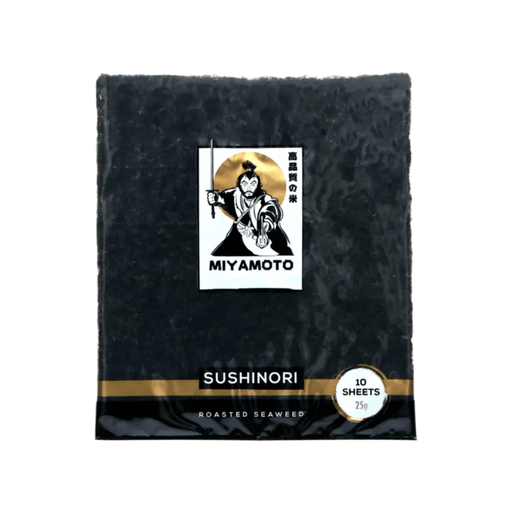
Why this suits the profile: Ten roasted sheets give beginners a clear quantity for homemade sushi, hand rolls and rice balls.
The number of sheets is clear upfront. The ingredients list states nori and the product information mentions possible traces of fish or shellfish.
10 roasted sheets; suitable for sushi, rice balls and direct use as a snack.
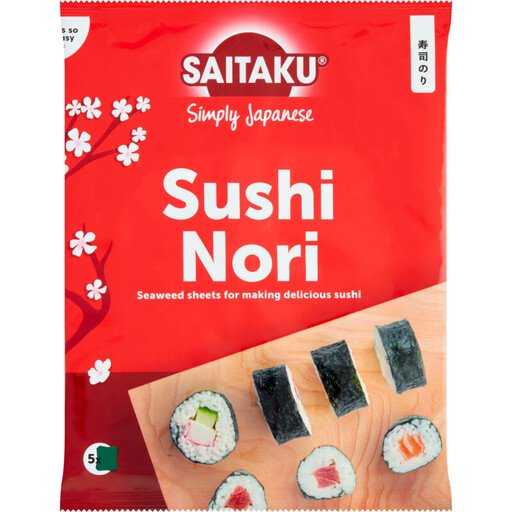
Why this suits the profile: This packet contains 5 sheets and, according to the product information, is made from nori from the first harvests, with a dark green colour and a pronounced seaweed flavour.
The product information clearly states the number of sheets, the application and the ingredient. This way, you don't buy snack sheets when you want to make sushi.
5 nori sheets; suitable for sushi, stir-fries and salads; ingredient: red algae from aquaculture.
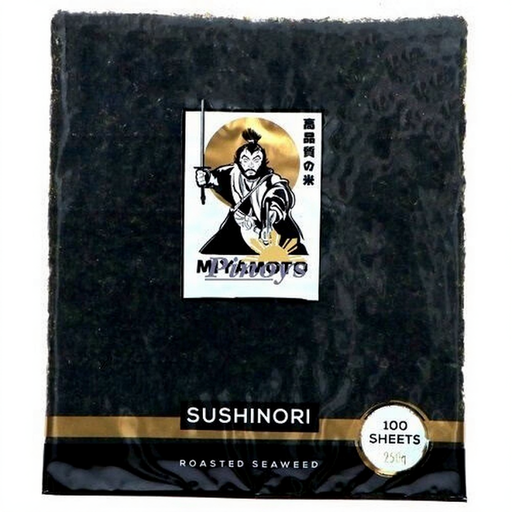
Why this suits the profile: The packet of 100 sheets is aimed at frequent use, larger households, parties and food service.
The large number of sheets makes the portion size predictable. You don't keep paying for small snack packets when using it intensively.
100 sheets of 19 x 21 cm; suitable for sushi, kimbap, wraps and other preparations.
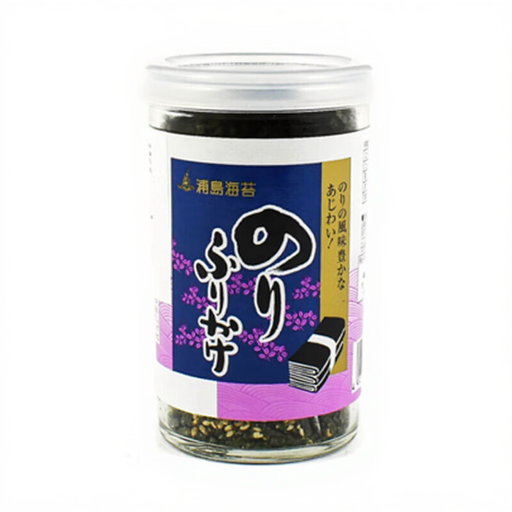
Why this suits the profile: This sprinkling mix is practical for rice, noodles, salads, soups and onigiri without having to roll sheets.
The product form is clear: this is a topping and not a sushi sheet. So you choose it specifically for dishes where sprinkling is enough.
50 g sprinkling mix with nori and roasted sesame; usable for rice, noodles, salads and soups.
We've put together a full, up-to-date list of products that fully meet these strict selection criteria and comply with current European safety regulations.
Use roasted nori that is sold as sushi or hand roll sheets. Check the number of sheets and the size. Wakame is intended for soups and salads, among other things, and has a different texture after soaking.
Store seaweed dry, cool and well sealed. Avoid steam and moisture from the kitchen. Snacks in small individual sachets remain practical when you use a small portion each time. Always follow the specific storage instructions on the packaging.
No. Furikake is a sprinkling mix in which nori can be an ingredient. The mix may also contain sesame, soya, wheat, sugar, salt or spices. So read the allergen information before sprinkling it over rice, salads or onigiri.
