
Vandaag of morgen in huis

Kwaliteit gegarandeerd

Welkomstaanbiedingen ontgrendelen: GRATIS bezorging | Tot 80% korting | Gratis 30 dagen JoyPlus-proefperiode
Download de app
Anyone looking to buy sauces online will quickly encounter dozens of bottles and jars featuring terms such as “authentic,” “extra hot” or “professional quality.” These descriptions do not always tell you enough about what you will actually receive. For home cooks, families, snack lovers and food-service professionals, the most important factors are the ingredients, volume, allergens and possible uses.
Whether you are looking for Asian sauces, chilli sauce, mayonnaise, pesto or a dip for entertaining, the checks below will help you avoid a disappointing purchase.
The terms “hot” or “spicy” do not always indicate how a sauce tastes. A vinegar-based hot sauce can be sharp and thin, while a chilli-garlic sauce may have a richer, more aromatic flavour. Sweet chilli sauce also often contains a relatively high amount of sugar. Always check the ingredients and nutritional values per 100 grams or 100 millilitres.
An 810-gram or 1-litre bottle may appear cost-effective, but it is only practical if you use the sauce regularly. For occasional dinners, a smaller bottle is often more convenient. Also check the storage instructions after opening. Many sauces need to be refrigerated or kept tightly sealed.
International sauces regularly contain soy, wheat, fish, egg, milk, mustard, sesame or nuts. Always check the current packaging, even if you have bought the product before. Recipes can change. Some products also list a flavour enhancer such as monosodium glutamate. This is not a hidden characteristic: it should be clearly stated in the ingredients list.
Decide how you intend to use the sauce:
Bottle sizes vary significantly across the range, from 142 ml of hot sauce to a 1-litre bottle of mayonnaise-style sauce for fries. Do not compare only the price per pack; also check the price per 100 ml or 100 grams. A large pack makes the most sense for families, parties or professional use.
In addition to the main ingredients, look for:
For example, Maekrua Oyster Sauce lists 30% oyster extract and contains soy and wheat. Squid Fish Sauce lists 77% anchovies and contains fish. Kewpie Japanese mayonnaise contains egg, soy and mustard. This information comes from the available product details; always check the label on the packaging before purchasing.
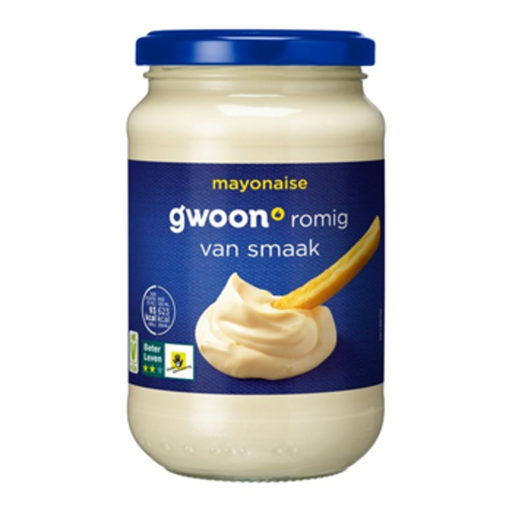
Why This Fits Their Persona: A practical staple for sandwiches, salads, fries and snacks without having to commit to a large food-service pack.
The 350 ml volume is manageable for everyday home use. The product information lists egg and mustard as allergens.
According to the product information, it contains 68% rapeseed oil and works well as a dip, spread or dressing base.
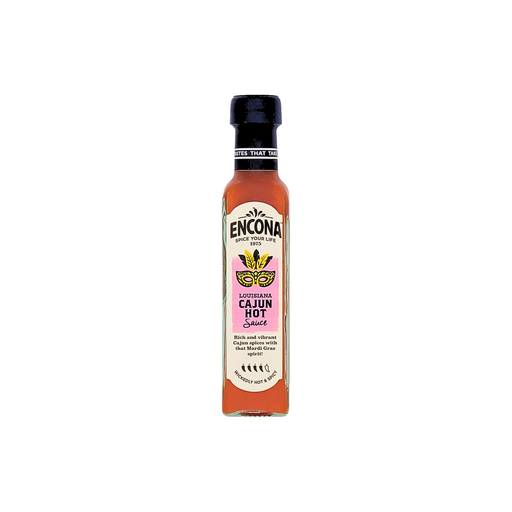
Why This Fits Their Persona: A compact hot sauce for those who like to control the heat in burgers, snacks, marinades and everyday meals.
The ingredients list names vinegar, cayenne peppers and red pepper. It does not rely on an unclear heat scale.
The 142 ml bottle is ideal for trying it first; according to the product information, the sauce contains none of the 14 major EU allergens.
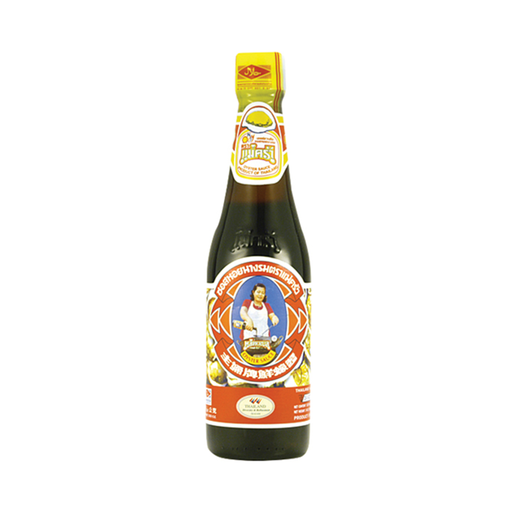
Why This Fits Their Persona: Convenient for stir-fries, vegetables, meat and noodles when oyster sauce features regularly on the menu.
The product details specify the proportion of oyster extract and clearly identify soy and wheat as allergens.
600 ml volume; 30% oyster extract according to the supplied product specification.
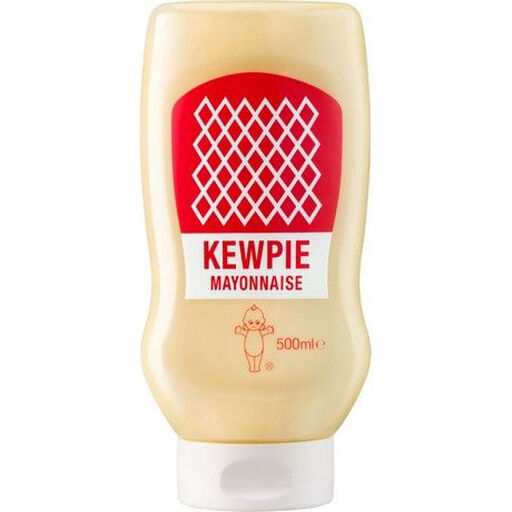
Why This Fits Their Persona: Ideal with sushi, sandwiches, salads and Japanese snacks when you are looking for a distinctive mayonnaise.
The product specification lists the ingredients, including egg yolk, vinegar and E621, along with egg, soy and mustard as allergens.
500 ml volume; suitable both for cold applications and for finishing hot dishes.
For a sweet-and-spicy flavour, Inproba Sweet Chilli Sauce 850 ml is practical with spring rolls, prawn crackers, vegetables and marinades. If you prefer more garlic and a savoury chilli note, consider LEE KUM KEE Minced Garlic Sauce 326 g. According to the available product information, this sauce contains 25% garlic and should be refrigerated after opening.
For Mexican snacks, Banderos Salsa Dip Mild 300 g and Banderos Cheese Dip 300 g are logical options to compare. For Italian meals, g'woon Pesto Alla Genovese 190 g is one option; note that it contains cashews, milk and sulphites. Thai Dancer Tamarind Paste 435 ml works well in curries, dipping sauces, marinades and dressings. The ingredients list includes tamarind pulp and water.
Anyone building a pantry for Asian cooking should also consider teriyaki sauce, fish sauce, sukiyaki sauce and extra chilli sauce. Amoy Japanese Teriyaki Sauce 450 ml, Maeboonlam Fermented Fish Sauce 400 ml and Healthy Boy Cantonese Style Sukiyaki Sauce 810 g each serve a different purpose. Pay particular attention to salt content, allergens and bottle size.
Browse a current selection of dipping sauces and compare volume, ingredients and uses before placing your order.
That depends on your meals. Mayonnaise and sauce for fries work well with sandwiches, fries and snacks. Sweet chilli sauce is useful as both a dip and a marinade. Oyster sauce, teriyaki sauce and fish sauce are particularly handy for stir-fries, noodles and Asian-style marinades.
Shelf life varies by product. Always follow the date and storage advice on the packaging. Close the bottle or jar securely and refrigerate products that the label says must be kept chilled. Do not use packaging that is damaged or a product whose smell, colour or texture has clearly changed.
Compare the price per 100 ml or 100 grams, not just the total price. Also consider how much you are likely to use. An 850 ml bottle may be economical for a family or food-service kitchen, but a smaller pack helps limit waste if you only use the sauce occasionally.
