
Vandaag of morgen in huis

Kwaliteit gegarandeerd

Welkomstaanbiedingen ontgrendelen: GRATIS bezorging | Tot 80% korting | Gratis 30 dagen JoyPlus-proefperiode
Download de app
A good sauce can make or break a dish. But when you want to buy sauces online, the selection is overwhelming. From classic ketchup to exotic global flavors, the shelves are endless. Unfortunately, this often leads to buyer's remorse: an "authentic" sauce that tastes mostly of sugar, or a hot sauce that overpowers every other flavor. Before you fill your digital shopping cart, it's smart to know what to look for.
Many sauces entice with attractive labels but hide disappointing contents. Two common pitfalls are:
To avoid buying a bottle that gets lost in the back of the fridge, there are a few practical things to check. This will help you make a choice that truly matches your taste and cooking style.
The order of the ingredient list is very revealing. The ingredient listed first is the most prominent one.
Not every sauce is suitable for every application. Think in advance about how you want to use the sauce.
To help you get started, we've highlighted some popular choices that suit different tastes and preferences.
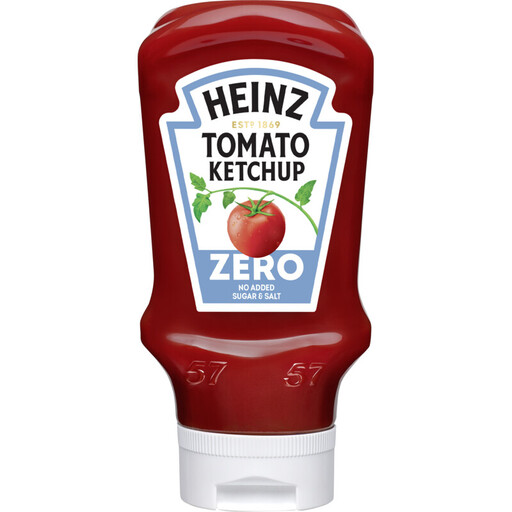
Why This Fits Their Persona: For those who want the classic taste of Heinz ketchup but are conscious of sugar and salt. Ideal for fries, a grilled cheese sandwich, or on a hamburger, without compromising on the familiar flavor.
This ketchup directly addresses the sugar and salt bomb pitfall. It contains no added sugars or salt, which is clearly stated on the packaging. The sweetness comes naturally from the tomatoes and a sweetener.
Made with 200 grams of tomatoes per 100 grams of ketchup for an intense flavor. It has a Nutri-Score A, which is an objective indicator of its nutritional value.
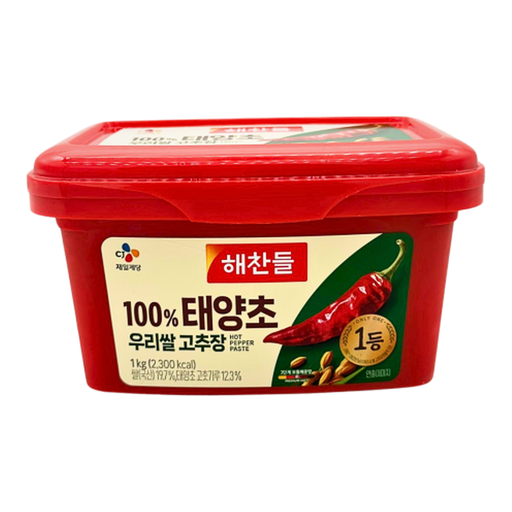
Why This Fits Their Persona: Perfect for those looking to explore Korean cuisine. This paste is an essential base for dishes like bibimbap, tteokbokki, or as a marinade for meat. It offers a complex, savory, and spicy flavor you won't easily find in a standard supermarket sauce.
This isn't a ready-to-use sauce, but a fermented base paste. It bypasses the "authentic" trap because its flavor comes from a traditional fermentation process of rice and soybeans, not from added sugars.
Offers a deep, savory umami flavor that is difficult to replicate. Highly versatile as a base for various Asian sauces and marinades.
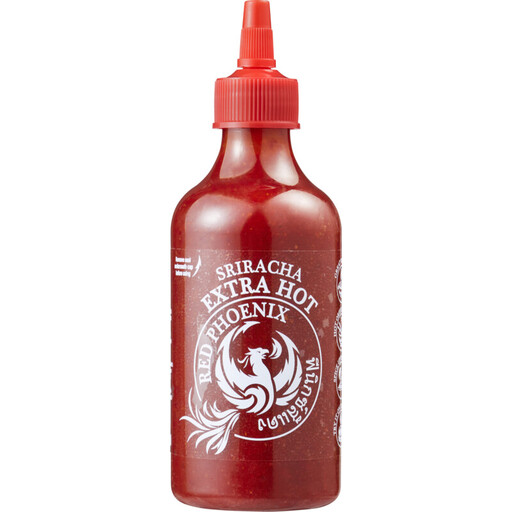
Why This Fits Their Persona: For those looking for a serious kick. This sriracha isn't just any hot sauce; it's a condiment that combines heat with a distinct pepper flavor. Ideal for stir-fries, on noodles, or as a dip for those who love extra spice.
The focus is on the peppers. With 38% ground red peppers as the main ingredient, you get an authentic pepper taste instead of a sauce that consists mainly of sugar and water. The heat is functional and flavorful.
A high percentage of peppers provides an intense and layered spiciness. The convenient squeeze bottle makes dosing easy, whether you use it as a dip or a topping.
We have compiled a complete, up-to-date list of products that meet these strict selection criteria and local regulations.
Check the ingredient list. A high percentage of peppers or the mention of a specific hot pepper (like Madame Jeanette or habanero) early in the list is a good indicator. Some brands include a heat scale on their packaging. If that information is missing, the rule of thumb is: the more pepper, the more heat.
Although both are spicy Asian sauces, they differ significantly. Gochujang is a Korean fermented paste made from red peppers, glutinous rice, and soybeans. It has a deep, complex, savory, and slightly sweet flavor. Sriracha is a Thai-style sauce made from chili peppers, vinegar, garlic, sugar, and salt. Its flavor is more direct: spicy, garlicky, and a bit tangy. Gochujang is more of a base for cooking sauces, while sriracha is more often used as a topping or dip.
This varies greatly by product. Always check the label for specific storage instructions. In general, sauces with high acidity (like vinegar) or high salt and sugar content last longer, often for several months. Creamy sauces or those with fewer preservatives have a shorter shelf life, typically within 4 weeks of opening. Always store opened bottles in the refrigerator.
