
Vandaag of morgen in huis

Kwaliteit gegarandeerd

Welkomstaanbiedingen ontgrendelen: GRATIS bezorging | Tot 80% korting | Gratis 30 dagen JoyPlus-proefperiode
Download de app
When you’re looking to buy sauces and dressings, the sheer choice can be overwhelming: from mayonnaise and salad dressing to satay sauce, chutney and Asian sauces. The packaging often promises a lot, but the real differences usually lie in the ingredients, shelf life and how you use them. These pointers will help you avoid a bad buy and make more informed choices for everyday meals, barbecues, snacks and international dishes.
A 750 ml bottle might look attractively priced, but that saving disappears if you only use the sauce occasionally. Always check the volume against how often you’ll use it. A smaller bottle of mayonnaise or dipping sauce is more practical if you’re short on fridge space or want to try different flavours.
Also, pay attention to the difference between a ready-to-use sauce and a concentrate. For example, Wijko Concentrated Satay Sauce (540 g) needs to be mixed with boiling water. This lets you make exactly the amount you need, but you’ll have to factor in extra preparation time.
Words like “authentic”, “creamy” or “natural” don’t always describe what you’ll actually taste. Look at the ingredients list and nutritional values per 100 g or 100 ml. A sauce can be relatively high in sugar or salt, even when the packaging emphasises its spicy or fresh flavour.
With LEE KUM KEE Beijing Duck Sauce, sugar is listed as the first ingredient and the product information shows 38.5 g of sugar and 8.5 g of salt per 100 g. That makes it suitable as a flavour enhancer in small amounts, but less ideal if you’re after a mild table sauce for everyday use.
“Plant-based”, “vegetarian” and “gluten-free” are not interchangeable terms. Always check the packaging, especially with sauces containing soya, mustard, egg, peanut, sesame or wheat. Remia Satay Sauce is described as 100% plant-based and gluten-free in the product description. Wijko satay sauce, on the other hand, contains peanut, soya, milk and wheat.
If you have allergies, also look out for warnings such as “may contain”. Recipes and labels can change, so always use the current information on the packaging as your guide.
First, think about what you need the sauce for:
Check the 14 mandatory EU allergens on the label. Among the selected products, you’ll find egg, mustard, soya, wheat, milk, peanut and sesame. ChaoWang Sesame Seasoning contains 60% sesame according to the product information, as well as soya. Hein Extra Spicy Flavour contains chilli, sesame, peanut and soya, so it’s not suitable for anyone who needs to avoid these allergens.
A low sugar content doesn’t automatically mean a product tastes less sweet. Remia Honey Mustard Dressing, for example, states 0% sugar but contains sweeteners and a honey flavouring. So compare the ingredients with the nutritional table and decide whether the composition suits your preferences.
A squeezy bottle is handy for dispensing mayonnaise, dressing and sriracha sauce. A jar or pouch is often better for thick chutney, sesame paste or a dry satay sauce mix. Always check the storage instructions after opening. Some products need to be kept in the fridge and used within a certain period. Make sure the lid is sealed properly and don’t use any product where the seal or packaging is damaged.
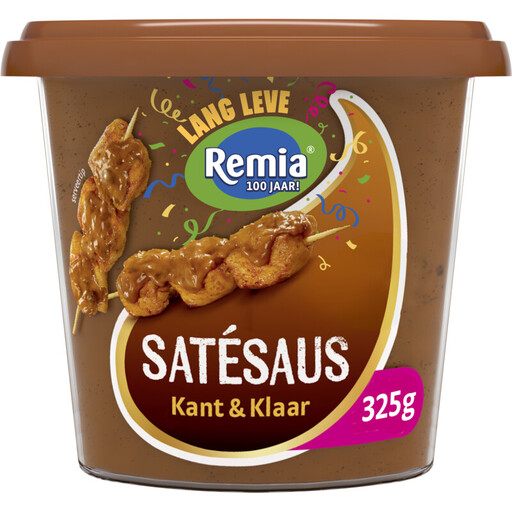
Why it fits this profile: A ready-to-use peanut sauce for chips, chicken, barbecues and Asian meals. No need to dilute anything.
The 325 g size is manageable for regular home use and the sauce is ready to portion out straight away.
According to the product information, it’s vegan, gluten-free and provides roughly seven servings.
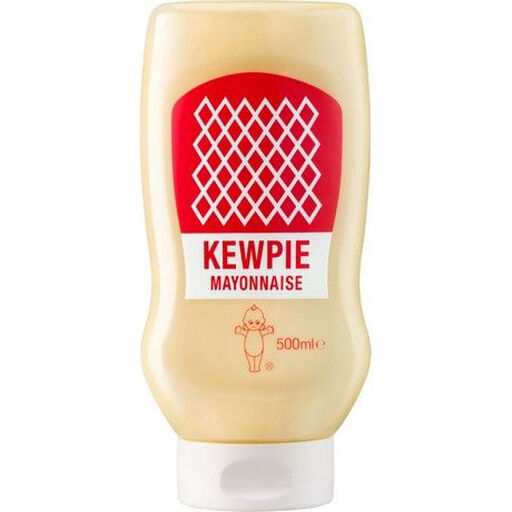
Why it fits this profile: For anyone looking for a Japanese mayonnaise with a creamy texture and a flavour profile that’s different from classic mayonnaise.
The product information clearly lists egg yolk, vinegar, mustard and soya as key ingredients and allergens.
500 ml volume, squeezy bottle and suitable for sushi, salads, sandwiches and grilled meat.
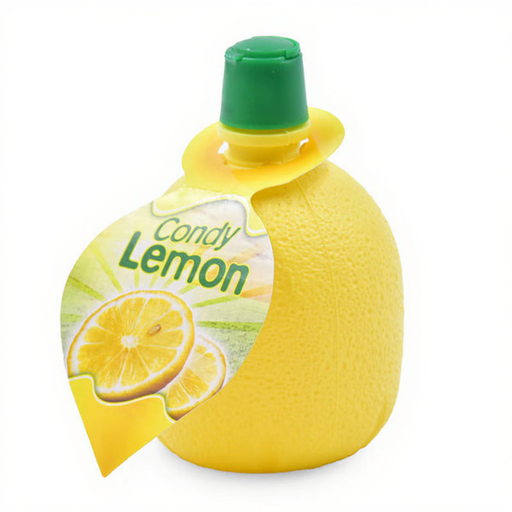
Why it fits this profile: For home cooks who want one bottle for salads, marinades, fish and Turkish or Mediterranean dishes.
The usage and storage instructions are clear: shake before use and keep refrigerated after opening.
23 kcal per 100 ml according to the product information and suitable for vegetarians and vegans; does contain sulphites.
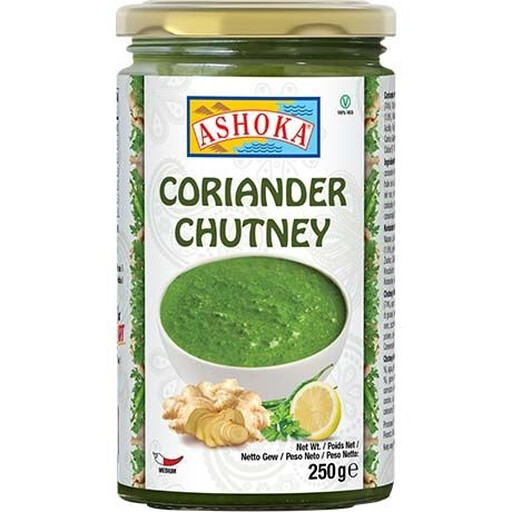
Why it fits this profile: A versatile Indian chutney for snacks, sandwiches and main courses, ideal for sharing platters and festive meals.
The 250 g jar is smaller than many family-sized bottles, making it a good choice for trying a new flavour first.
According to the product information, it’s made with coriander and spices and contains none of the 14 major EU allergens.
We’ve put together a full, up-to-date list of products that fully meet these strict selection criteria and comply with current European safety regulations.
A neutral mayonnaise, garlic sauce or herb dressing is versatile for sandwiches, chips, salads and snacks. For an international kitchen, you could also choose sriracha sauce, Japanese mayonnaise, sesame paste or coriander chutney. Just check the portion size and shelf life if you’re buying several bottles at once.
It varies by product. Look at the information on the packaging and pay attention to the instruction “refrigerate after opening”. Store an opened sauce with the lid sealed, use clean utensils and check the smell, colour and texture before serving. The best-before date is only reliable if you follow the storage instructions.
That depends on the specific recipe. Remia Satay Sauce is described as vegan and gluten-free in the product description. Other peanut sauces may contain milk, wheat or soya. If you have an allergy or follow a strict diet, always check the current label, including cross-contamination warnings.
