
Vandaag of morgen in huis

Kwaliteit gegarandeerd

Welkomstaanbiedingen ontgrendelen: GRATIS bezorging | Tot 80% korting | Gratis 30 dagen JoyPlus-proefperiode
Download de app
When you want to buy sauce online, you’ll soon find dozens of jars, sachets, tubes and bottles. A pasta sauce for a busy weekday calls for different features than a curry paste for an elaborate Asian dish. Terms such as “natural”, “authentic” or “rich in flavour” also say little on their own about the ingredients or how the product should be used.
With this practical guide, you can compare sauces by use, contents, preparation, allergens and nutritional information. That way, you can avoid buying a product that doesn’t suit your dish, household or cooking routine.
A 700-gram bottle or jar may seem attractively priced, but it’s only practical if you use the sauce regularly. Storage instructions often change once the product has been opened. A small 27- or 37-gram sauce mix may be more convenient when you only occasionally make gravy or cheese sauce.
So compare the price per 100 grams, but also check the number of servings and how long the product remains usable after opening.
A ready-made sauce may still need to be heated. A dry sauce mix usually needs to be prepared with water, milk or other ingredients. Curry paste or chilli sauce can often be used straight away, but may be intended as a flavour base rather than a complete sauce.
Read the preparation instructions before buying: can you pour the product straight over the pasta, or do you still need to add vegetables, meat, stock or dairy?
Words such as “natural”, “traditional” and “Italian” aren’t complete product specifications. Check the ingredients in the correct order, the amount of salt and sugar, and the presence of allergens. Combined sauces may contain wheat, soya, celery, milk, egg, peanuts, sesame or shellfish, for example.
According to information provided by the brands themselves, certain products may be suitable for a vegan or gluten-free diet. Always check the current packaging and allergen information before using the product.
Use this classification as a starting point:
A 400- to 490-gram jar of pasta sauce is generally intended for several portions of pasta. A small sachet of sauce mix may be enough for a family, but often requires water or other ingredients. With a concentrated Asian sauce, a small amount may be enough for an entire meal.
So don’t just look at the net weight. Also check:
The nutritional information per 100 grams helps you compare products. For example, Grand'Italia Bolognese Sauce lists 1.2 grams of salt per 100 grams, while Maggi Natural Gravy Pot lists 15.4 grams of salt per 100 grams of product. However, a dry mix is diluted during preparation, so the final value per serving may be different.
Asian flavourings may contain soya, wheat, sesame and peanuts. With creamy sauces, milk, lactose and egg are important considerations. If you have an allergy, don’t rely on the product title alone; check the full packaging.
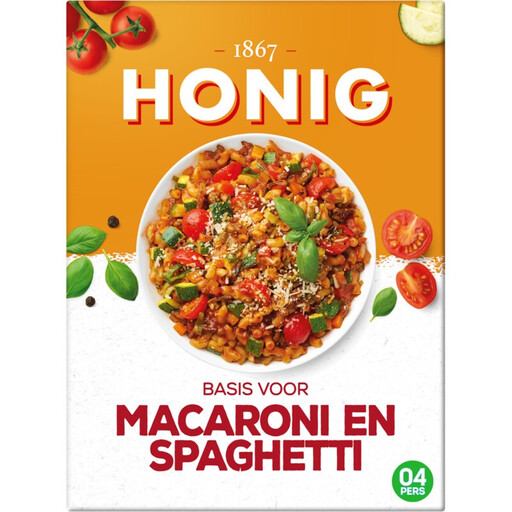
Why it suits this profile: A dry base for a lasagne serving 3 to 4 people, with a stated preparation time of around 50 minutes including oven time.
The serving size and preparation method are clearly stated. Bear in mind that you’ll need to add fresh ingredients yourself.
125 grams of dry mix; contains dried vegetables and herbs. Contains wheat and soya.
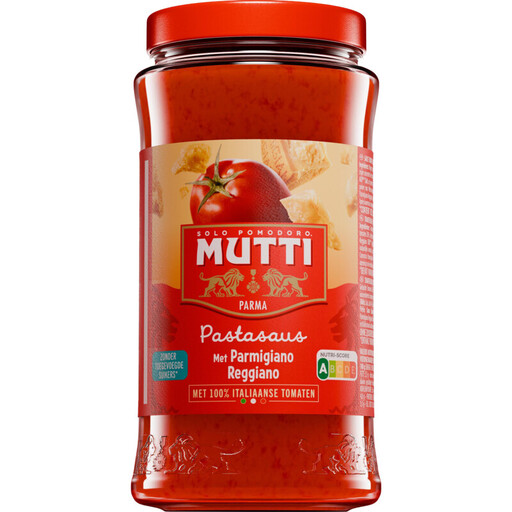
Why it suits this profile: A ready-made tomato sauce for anyone who values ingredients and provenance when preparing a quick pasta meal.
The ingredients list includes tomato pulp, olive oil and 4% Parmigiano Reggiano, among other ingredients. Check the label if you have a milk allergy.
400 grams; 67 kcal and 0.88 grams of salt per 100 grams according to the product information; ready to heat.
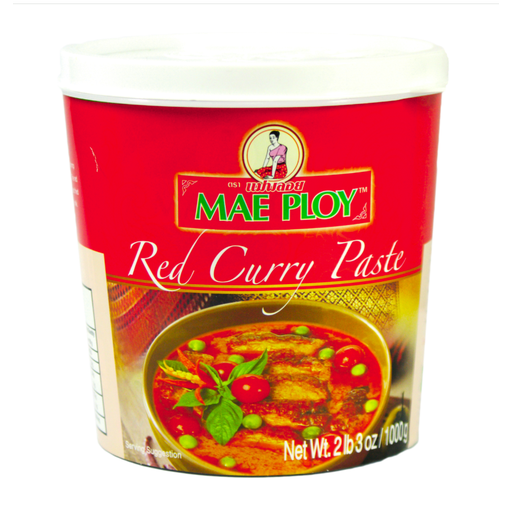
Why it suits this profile: The 1-kilogram pack is aimed at households that regularly prepare curry, soup or marinades.
It has a wide range of uses, but it isn’t a complete meal sauce. Add it to taste and note the stated shrimp content and possible heat.
Large quantity; contains red chilli, lemongrass, garlic and shrimp paste, among other ingredients; suitable as a base for several dishes.
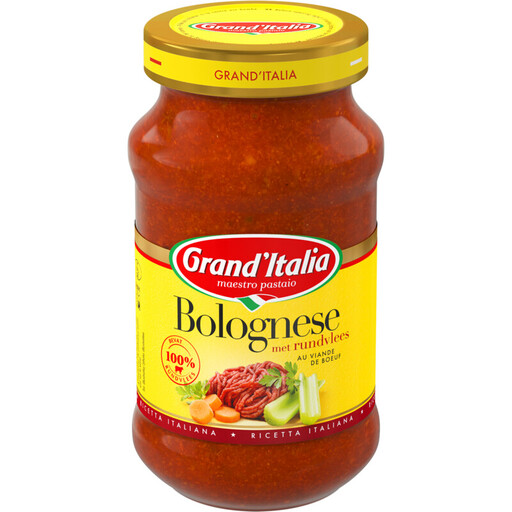
Why it suits this profile: This ready-made Bolognese sauce only needs heating and works well with pasta or a quick lasagne.
The product information states that it contains 17% beef and 0.6% celery. This means you can see in advance which ingredients are relevant to your meal.
400 grams; contains tomato, beef, onion and carrot; 102 kcal per 100 grams according to the product information.
We’ve put together a complete, up-to-date list of products that fully meet these strict selection criteria and the applicable European safety regulations.
Use this short checklist before ordering a sauce:
A ready-made pasta sauce such as Bolognese sauce, tomato sauce or ricotta sauce usually only needs heating and mixing with cooked pasta. A sauce mix is compact to store in the cupboard, but requires additional ingredients and preparation.
This varies from product to product. A dry sauce mix generally has a longer unopened shelf life than an opened jar or bottle. Always follow the instructions on the packaging and store an opened product as advised. Don’t use packaging that has been damaged.
Stir-fry sauce is often intended to be mixed straight through stir-fried ingredients. Curry paste is more concentrated and usually forms a base to which you add ingredients such as coconut milk, vegetables, tofu, meat or stock. Start with a small amount and adjust the flavour as you cook.
