
Vandaag of morgen in huis

Kwaliteit gegarandeerd

Welkomstaanbiedingen ontgrendelen: GRATIS bezorging | Tot 80% korting | Gratis 30 dagen JoyPlus-proefperiode
Download de app
When you buy sambal and chilli sauce online, you’ll quickly come across dozens of jars, bottles and tubes that look remarkably similar. Yet they differ greatly in flavour, ingredients, heat level, allergens and how you use them. A sauce for nasi doesn’t need the same qualities as a Korean chilli paste for marinade, for example.
As Joybuy Product Recommendation Officer, I’ve filtered the most important product information for you. That way, you won’t rely solely on a flashy label or a generic claim.
Words like “hot”, “spicy” or “fire” don’t follow a fixed scale. A sambal made with Madame Jeanette peppers can feel very different from a fermented Korean chilli paste. So look at the type of peppers used and how much of them appears in the ingredients list.
A product like Flower Sambal Jeanette states 92% Madame Jeanette. Windmill Sambal Oelek contains 86% chilli peppers according to the product information. That tells you far more about the character of the base than any loose marketing term on the front.
Some sauces are built around vinegar, sugar, oil, garlic or fermented ingredients. Others consist mainly of pepper, salt and acidity regulators. So compare the first ingredients – they appear in descending order of quantity.
Also look out for additions such as E621, E635, preservatives and modified starch. They aren’t necessarily a problem, but they do determine whether you get a simple pepper taste, a sweet sauce or an intensely savoury flavour.
A 500 g or 1 kg jar may look good value per gram, but it’s less practical if you only eat spicy food occasionally. For a family, heavy user, restaurant or catering kitchen, a large size can make perfect sense. Always check the storage instructions after opening. Many products then need to be refrigerated.
Always read the current packaging with every purchase. Gochujang often contains soya and wheat. The DELIEF Red Pepper Paste Gochujang (170 g) lists soya and wheat as allergens, for example. Sempio Korean Red Pepper Paste also contains soya, wheat and gluten.
Extra care is needed with sambal containing seafood. Lekker Bekkie Garnaal Sambal contains 4% dried prawns according to the product information and lists crustaceans as an allergen. The Flowerbrand Surinamese Sambal Sauce mentions prawns in the ingredients list, even though the product page simultaneously states it contains none of the 14 major EU allergens. With such contradictions, it’s wise to check the physical packaging or manufacturer details before using the product.
A few practical guidelines:
Also pay attention to the consistency. A liquid sauce mixes easily into a dressing or marinade. A thick chilli paste stays better on meat, tofu or vegetables. A coarsely chopped sambal can be used as a table condiment.
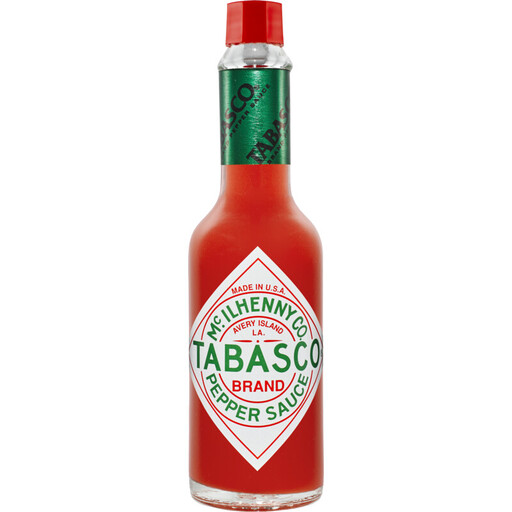
Why This Fits Their Persona: A small size for anyone who wants to try a liquid red pepper sauce on pizza, meat or pasta first.
The ingredients list is short: vinegar, red pepper and salt. So you know in advance that this isn’t a sweet or thick paste.
60 ml; three listed ingredients; aged for three years in oak barrels according to the product information.
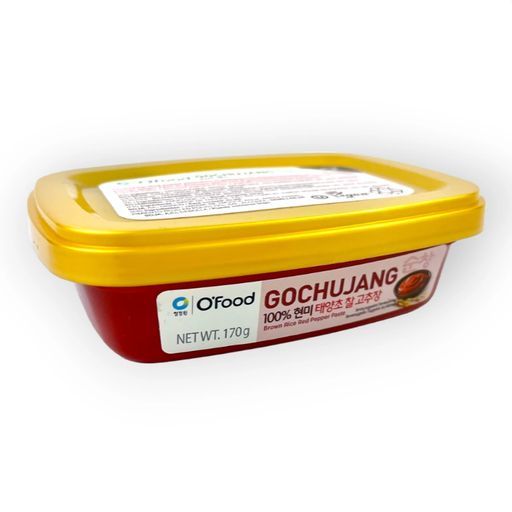
Why This Fits Their Persona: Suitable for home cooks who want to add Korean flavour to soups, marinades and stir-fries.
The product description mentions brown rice, fermented soya and red pepper powder. Do check the soya content and the current packaging.
170 g; can be used as a dip, marinade and flavour enhancer; contains soya.
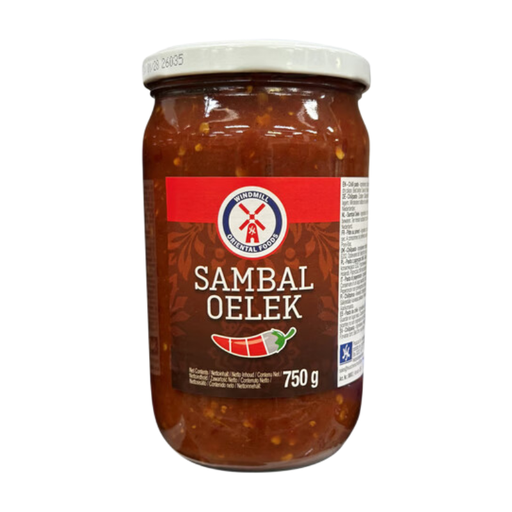
Why This Fits Their Persona: A large jar for households, hobby cooks, restaurants and anyone who regularly makes rice, noodles or marinades.
The 750 g size is especially worthwhile with regular use. That way you avoid needing multiple small jars.
86% chilli peppers according to the product information; suitable as a table condiment and cooking ingredient; refrigerate after opening.
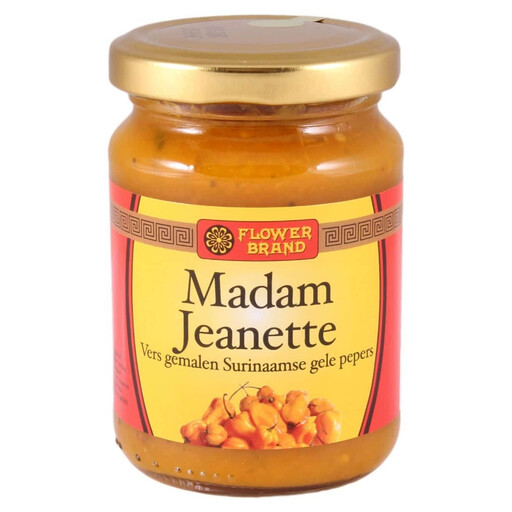
Why This Fits Their Persona: For anyone looking for a sambal with a pronounced pepper base to go with rice, potatoes, meat or Surinamese dishes.
The ingredients list 92% Madame Jeanette and only salt and acidity regulators. That makes the base clearly verifiable.
200 g; none of the 14 major EU allergens according to the product information; suitable for dosing by the spoonful.
Browse a current selection of chilli pastes and compare flavour profile, size, ingredients and use per product.
Sambal oelek is usually a thicker chilli paste with a relatively simple composition of peppers, salt, water and acid. Chilli sauce is often more liquid and may contain extra sugar, vinegar, garlic or spices. Always check the ingredients list, because recipes vary by brand.
For rice and noodles you can choose sambal oelek, sambal badjak or a chopped chilli from Hunan. Sambal oelek mainly adds pepper, while sambal badjak is fried and sweet-spicy according to the product description. A product like Tantanxiang Chopped Chili for Rice contains chilli, garlic, ginger and soya sauce, among other ingredients, and is intended as a flavour enhancer for rice.
Follow the label on the specific product. Many jars need to be kept in the fridge after opening and used within a reasonable time. Always use a clean spoon, seal the packaging properly and check the best-before information. If you’re unsure about the smell, colour, mould or a damaged package, it’s best not to use the product.
