
Vandaag of morgen in huis

Kwaliteit gegarandeerd

Welkomstaanbiedingen ontgrendelen: GRATIS bezorging | Tot 80% korting | Gratis 30 dagen JoyPlus-proefperiode
Download de app
Roasted sunflower seeds are a popular snack for a film night, a drinks party or to share. When you search online for salted sunflower seeds, Chinese sunflower seeds or spiced varieties, you’ll quickly see lots of similar-looking packets. Yet the products differ clearly in taste, size, ingredients and ease of use.
Watch out for these common pitfalls:
With many roasted sunflower seeds, you crack the shell yourself and eat only the kernel. That’s part of the snacking experience, but not ideal when you want to eat quickly and without waste. So check whether the packet gives instructions on opening and consuming.
An in-shell variety is suitable for relaxed snacking, for example during a conversation or film night. For use in a salad, baking recipe or quick snack, shelled sunflower seeds are more practical. In the range of roasted snacks, it’s often seeds in their shells, so check the product photo and description before you order.
The flavour can vary from lightly salted to distinctly sweet or spicy. Compare the ingredients and the amount of salt per 100g:
For example, the product information for ChaCha Spiced Flavour 500g lists sunflower seeds, salt, liquorice, fennel, flavourings and sweeteners. The ChaCha Coconut-Flavored variety contains sugar, coconut powder and sweeteners, among other things. If you’re looking for a less sweet snack, it’s better to check the ingredients list and nutritional values rather than just the product name.
An individually wrapped portion of 90 to 108g is handy for one snacking session or to take with you. A 200 to 500g bag makes more sense for a family, a party or a stock for several occasions. A resealable packet helps keep moisture out, but doesn’t guarantee that the crunchiness won’t decrease over time.
Store roasted sunflower seeds according to the packet in a cool, dry and dark place. Seal the bag well after opening and check the best-before information on the packet. Do not use a damaged packet.
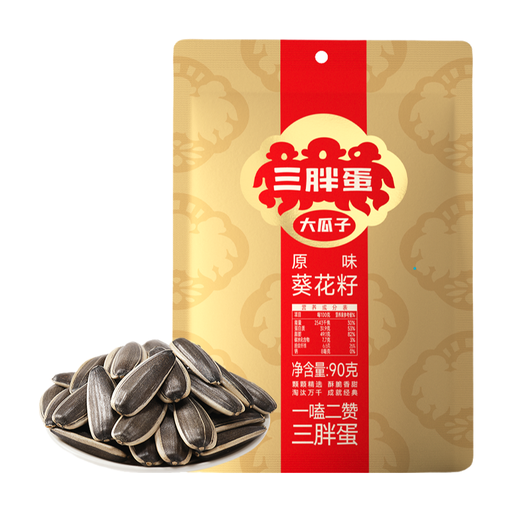
Why this fits the profile: The 90g packet is manageable for anyone who wants to try roasted sunflower seeds first without buying a large stock straight away. According to the product description, the flavour is originally roasted, with sunflower seeds and edible salt as ingredients.
The smaller size reduces the risk of a large bag being left open for too long. The ingredients list is short and clear.
90g net weight, individually sealed packet and a simple composition with sunflower seeds and salt.
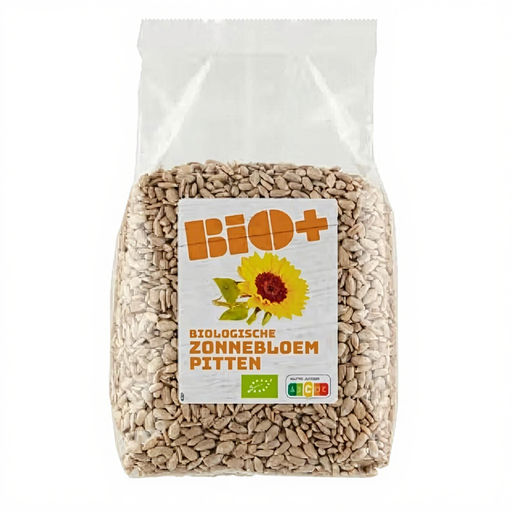
Why this fits the profile: These organic sunflower seeds are intended for anyone looking for a large packet with a simple ingredients list. The product information states sunflower seeds of organic origin and none of the 14 main EU allergens.
The product details make it clear that this is a 500g packet with one main ingredient. This allows you to verify your choice without relying on general health claims.
500g content, organic origin according to the product information and 0.15g salt per 100g.
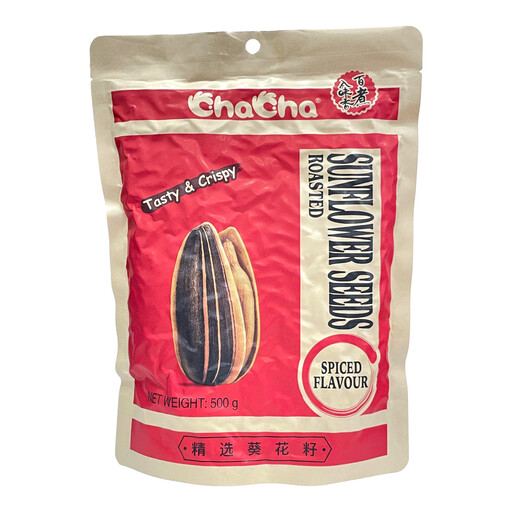
Why this fits the profile: The large bag suits fans of Chinese sunflower seeds who snack regularly or are organising a film night and party. According to the product information, the spicy flavour contains liquorice and fennel, among other things.
The packet states 94% sunflower seeds and lists the spices and sweeteners. This makes it easier to assess the distinctive flavour in advance.
500g content, 29g protein per 100g according to the label and a clearly described spice profile.
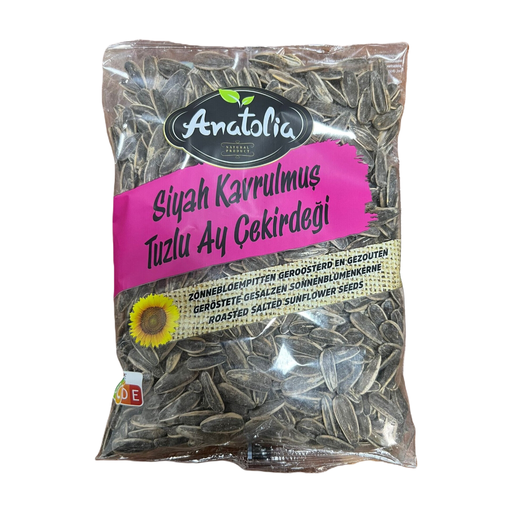
Why this fits the profile: These salted Turkish sunflower seeds are suitable for anyone looking for a savoury snack in a medium-sized format. The product description mentions roasted seeds with salt and a crunchy texture.
The product information mentions possible traces of gluten, peanuts, nuts and sesame. This makes it easier to check the allergen information in advance.
340g net weight, roasted and salted, suitable for sharing or regular snacking.
We’ve put together a full, up-to-date list of products that fully meet these strict selection criteria and comply with current European safety regulations.
Yes, according to the product information, the products mentioned are ready to eat. With in-shell varieties, you eat only the kernel. The shell must be removed and discarded. Always check the usage instructions and allergen information on the packet.
That depends on the packaging, humidity and storage. Store the seeds sealed, cool and dry, away from direct sunlight. Individual sachets can be handy when you don’t consume the snack in one go. Check the exact best-before date on the packet.
Not always. The price is also influenced by the size, brand, packaging and import. So compare the price per 100g and at the same time check the salt, sugar and spice content. A large bag may seem better value, but is only practical if you use up the contents in time.
