
Vandaag of morgen in huis

Kwaliteit gegarandeerd

Welkomstaanbiedingen ontgrendelen: GRATIS bezorging | Tot 80% korting | Gratis 30 dagen JoyPlus-proefperiode
Download de app
Soy sauce is more than just a salty, dark liquid in a bottle. The wrong choice can make or break a dish. Many home cooks miss the mark, ending up with a sauce that's too salty, too sweet, or simply unsuitable for their recipe. This leads to disappointment and waste. Before you add a bottle to your cart, it's helpful to know a few common pitfalls.
A frequent mistake is thinking that all soy sauce is the same. You might use a dark, syrupy variety for your sushi and wonder why the flavour is so overpowering. Or you use a light, salty soy sauce in a stew and miss that deep, dark colour. Another pitfall is fixating on a familiar brand without looking at the specific type. Not every Kikkoman soy sauce is the same, for instance; there are varieties for stir-frying, for sushi, and with less salt. Finally, it pays to check the label. Some sauces contain unnecessary amounts of sugar, flavour enhancers, or preservatives, which detracts from the authentic taste.
To find the right bottle, it's useful to understand a few basic principles. Pay attention to the following characteristics to make an informed choice that suits your cooking style.
This is perhaps the most important distinction. The two are not interchangeable and each has its own function in the kitchen.
The origin says a lot about the flavour and brewing process. Although there is a lot of variation within each country, there are some general differences.
A quick look at the ingredients list can be very revealing. Traditionally brewed soy sauce contains only a few basic ingredients: water, soybeans, wheat, and salt. This natural fermentation process takes months and creates a complex, deep umami flavour.
Chemically produced soy sauce is made in a matter of days using hydrochloric acid to break down the proteins. These sauces lack the depth of a naturally brewed product and often contain added colourings, corn syrup, and flavour enhancers to compensate. For a more authentic taste, "naturally brewed" is a term to look for. For those watching their salt intake, a low-sodium soy sauce is a good option.
Below are some popular choices, matched to different cooking styles and needs.
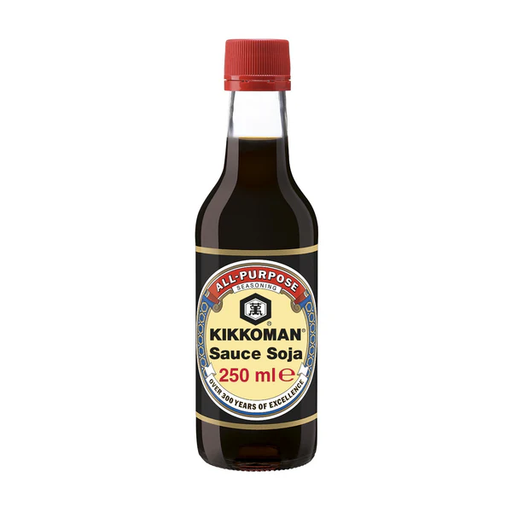
Why This Fits Their Persona: This is the perfect all-rounder for those who want one reliable bottle in the pantry. Suitable for Japanese, Chinese, and even Western dishes. Ideal as a base for marinades, as a dipping sauce, or for quickly seasoning a dish.
Avoids the mistake of buying an overly specific sauce (like a dark variety) for general use. Its balanced flavour is versatile and won't easily overpower a dish.
Naturally brewed using the traditional Japanese method. Contains four pure ingredients: water, soybeans, wheat, and salt.
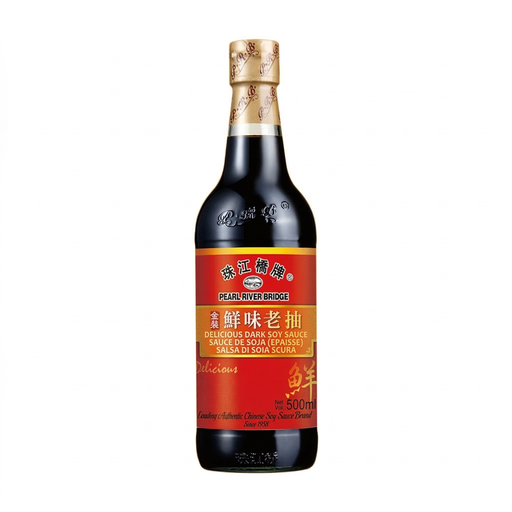
Why This Fits Their Persona: Perfect for anyone who loves making Chinese stews (like red-braised pork) or other slow-cooked meals. This sauce provides that signature deep-brown colour and a rich, slightly sweet flavour essential for such recipes.
This is the right tool for the job. It prevents the disappointment of a pale stew that lacks colour and depth, which happens when you accidentally use a light soy sauce.
Thick, viscous consistency that gives a beautiful glaze to meat and vegetables. According to the Pearl River Bridge brand, the sauce is naturally fermented for over 100 days.
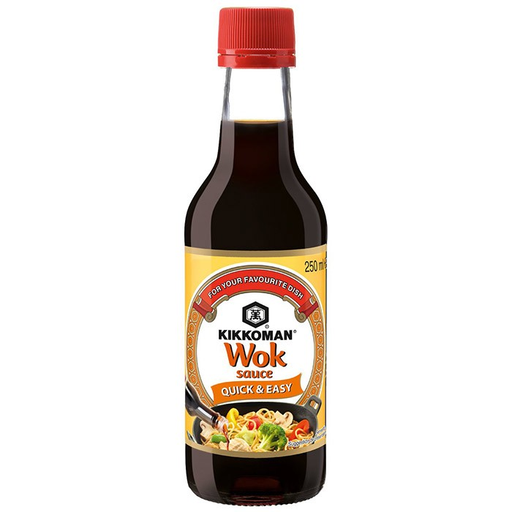
Why This Fits Their Persona: For those who often and quickly want to put a stir-fry on the table. This ready-to-use wok sauce already has the right balance of sweet and salty, eliminating guesswork and the need to mix multiple sauces.
It prevents the frustration of a stir-fry that doesn't have the right flavour balance. Instead of experimenting with sugar, regular soy sauce, and other seasonings, this offers a consistent and convenient solution.
Specifically developed for high-heat cooking. The sauce gives a beautiful glaze to the ingredients and is a blend of soy sauce, sugar, and wine.
We have compiled a complete, up-to-date list of products that fully meet these strict selection criteria and local regulations.
Light soy sauce is thin, salty, and used for general seasoning, such as in dipping sauces and light stir-fries. Dark soy sauce is thicker, less salty, and slightly sweet; it is primarily used to give dishes a deep, dark colour and a rich flavour, ideal for stews.
An unopened bottle of soy sauce has a very long shelf life, often several years. After opening, soy sauce is best stored in the refrigerator. Although it doesn't spoil quickly due to its high salt content, the flavour and quality can decline after about a year. Always consult the label for specific storage instructions.
No, there are distinct differences. Japanese soy sauce (shoyu) is often made with a mix of soybeans and roasted wheat, which gives it a slightly sweeter, more complex flavour. Chinese soy sauce has a stricter distinction between a light, salty variety for flavour and a dark, thicker variety for colour and depth. They are both delicious but serve different purposes in the kitchen.
