
Vandaag of morgen in huis

Kwaliteit gegarandeerd

Welkomstaanbiedingen ontgrendelen: GRATIS bezorging | Tot 80% korting | Gratis 30 dagen JoyPlus-proefperiode
Download de app
Buying rice seems simple—until you're standing in the aisle. The choices are overwhelming, from fragrant Thai pandan rice to Indian basmati and specialty sushi rice. Many packages promise a "premium" experience, but do they deliver? If you want to avoid disappointing meals and the feeling of being overcharged, you've come to the right place.
As a Joybuy Product Recommendation Officer, I'm here to help you see through the marketing jargon. We'll focus on what really matters. Let's explore the three most common pitfalls of buying rice and how you can avoid them.
To avoid buyer's remorse, it's helpful to focus on a few objective characteristics. These specifications determine the texture, flavour, and success of your dish.
The length of the rice grain is the most important factor in its cooked texture.
Not all rice is created equal. The origin and specific variety have a major impact on flavour and aroma. For example, a premium rice like the Vietnamese ST25 rice is known for its exceptional fragrance and taste, which connoisseurs consider superior to many standard varieties. If you want to create a specific Asian dish, choosing rice from the right region can be the difference between a good meal and a great one.
Your purchase should match your consumption habits.
Based on these objective criteria, we have selected several products that fit different user profiles.
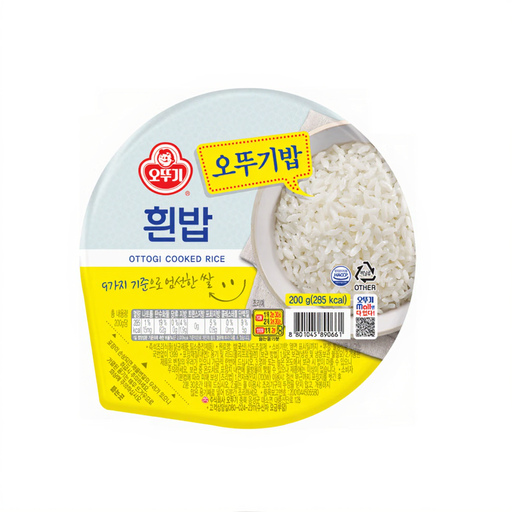
Why This Fits Their Persona: Ideal for a busy lifestyle, students, or a quick lunch at the office. This ready-to-eat rice is perfectly portioned and only needs to be heated. No cooking time, no cleanup.
This product is purely focused on convenience. You're paying for instant availability, not a vague "premium" promise. It solves a specific problem without any pretense.
Ready in 2 minutes in the microwave. Consistent, soft texture and flavour, just as you'd expect from freshly cooked rice.
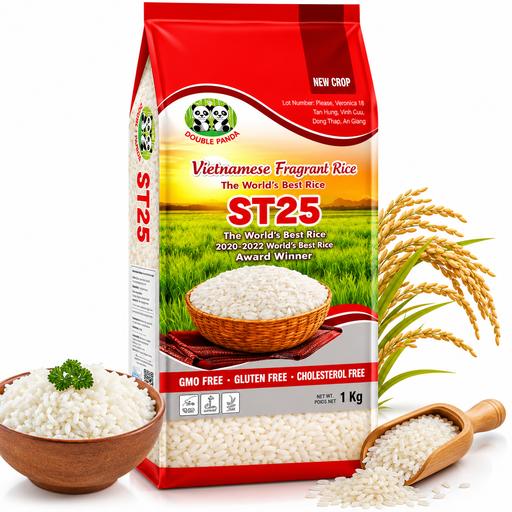
Why This Fits Their Persona: For the home cook who wants to experience the authentic taste of Vietnamese cuisine. ST25 is a specific, high-quality rice variety known for its fragrance and texture, perfect for refined dishes.
You're not paying for a generic "premium" label here, but for a concrete, named variety: ST25 rice. Its quality is objective and tied to the specific properties of this grain.
Fragrant long-grain from Vietnam. According to the producer, it's suitable for various cooking methods (boiling, steaming, rice cooker).
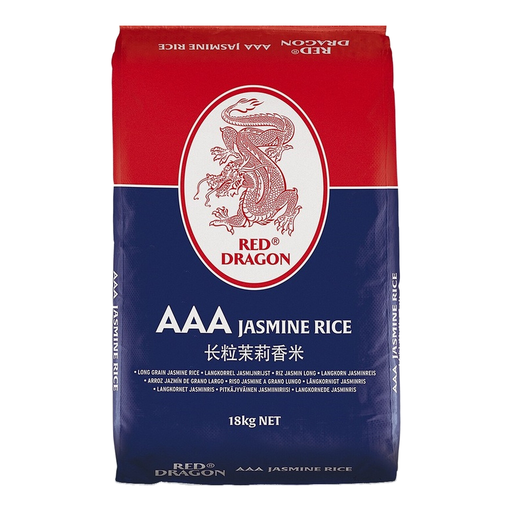
Why This Fits Their Persona: This 18kg bag of rice is the definition of smart purchasing. It's ideal for anyone looking to cut costs without compromising on quality. A popular choice in the Asian food service industry.
This is the direct solution to the pitfall of overpaying for small packages. The focus is on volume and a low price per kilo, making this bulk rice package an economically sound choice.
AAA-quality jasmine rice that performs consistently. The large package ensures a low cost per meal.
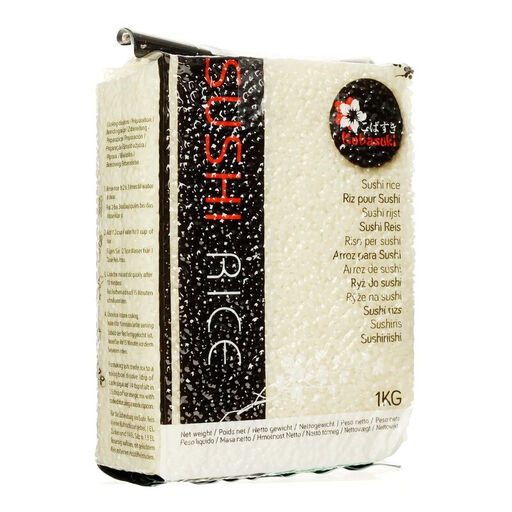
Why This Fits Their Persona: For anyone who wants to make authentic sushi at home. This rice has the correct short, round grain and starch content to achieve the perfect sticky texture essential for maki and nigiri.
This product prevents the classic mistake of using the wrong type of rice. It is specifically labelled as sushi rice, ensuring you get the right texture so your sushi doesn't fall apart.
Specifically selected short-grain for excellent texture and flavour. Vacuum-sealed to preserve freshness.
We have compiled a complete, up-to-date list of products that fully meet these strict selection criteria and current regulations.
Although both are long-grain rice varieties, there are distinct differences. Jasmine rice primarily comes from Thailand, has a soft, slightly sticky texture, and a floral aroma reminiscent of pandan. Basmati rice comes from India and Pakistan, is drier, longer, and has a more nutty flavour. Jasmine rice pairs well with Southeast Asian dishes, while basmati is a classic in Indian and Middle Eastern cuisine.
Store the unopened bag in a cool, dry, and dark place. Once opened, it is advisable to transfer the rice into several smaller, airtight containers or bins. This protects the rice from moisture, pests, and loss of aroma, ensuring its quality is maintained for months.
Not always. A higher price is only justified if it's linked to an objective characteristic, such as a specific, sought-after variety (like ST25 rice), an AAA quality grading, or an organic certification. Don't pay extra for vague marketing terms or fancy packaging. The most important thing is to find the right rice for your specific dish.
