
Vandaag of morgen in huis

Kwaliteit gegarandeerd

Welkomstaanbiedingen ontgrendelen: GRATIS bezorging | Tot 80% korting | Gratis 30 dagen JoyPlus-proefperiode
Download de app
The baking aisle can be overwhelming. Wheat flour, bread flour, self-rising flour—the choices are endless. Which flour do you really need for that fluffy cake, that crispy cookie, or the perfect pancake? The wrong type can completely change your baked goods.
As a Joybuy Product Recommendation Officer, I'm here to guide you. In this article, we'll compare the most common types of flour based on their specifications and intended use. This will help you make an informed choice and confidently purchase the right ingredients for your kitchen.
Before you add a bag of flour to your cart, it's helpful to consider a few key points. These tips will help you choose the right type for your recipe.
Not every flour is suitable for every recipe. The final texture of your baked goods depends heavily on the type of flour you use.
If you value the production method, organic flour is an excellent option. The term 'organic' refers to the agricultural method, which avoids the use of synthetic pesticides or artificial fertilizers. Its baking properties are generally comparable to those of non-organic varieties.
Flour is a natural product and can spoil. Always check the expiration date on the package. After opening, store flour in a cool, dry, and dark place in a well-sealed canister or container to maintain freshness and prevent pests.
Based on product specifications and intended uses, we have highlighted a few options for you.
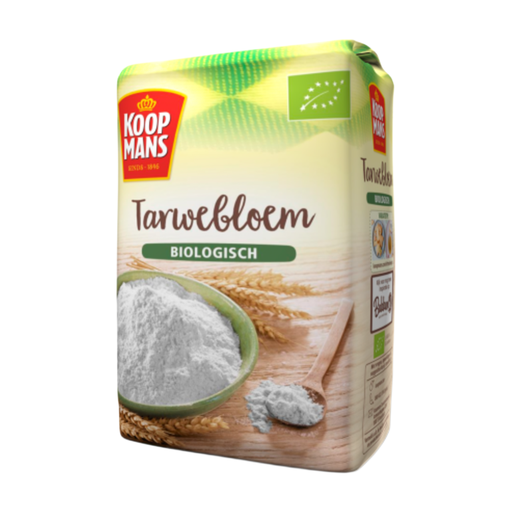
Why It Stands Out This wheat flour from Koopmans is entirely organically grown. It is a versatile product that can serve as a base for a wide range of baked goods.
Pros
Who It's For For the home baker looking for a reliable, organic all-purpose flour for everyday use.
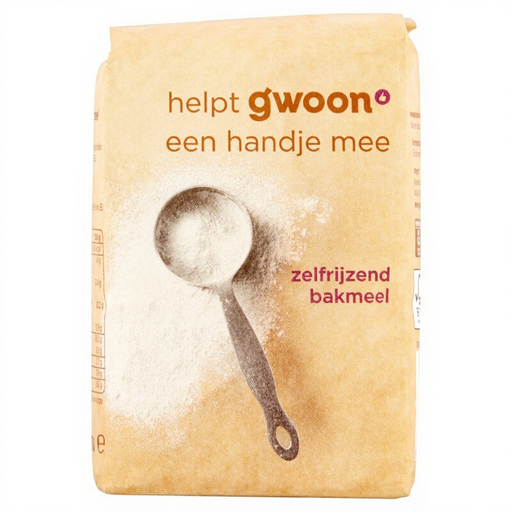
Why It Stands Out The convenience of this product is its key feature. The leavening agent (E450/E500) is already added to the wheat flour, which saves a step in the baking process.
Pros
Who It's For Perfect for beginner bakers or anyone who wants to quickly and easily bake a fluffy cake or a batch of cookies.
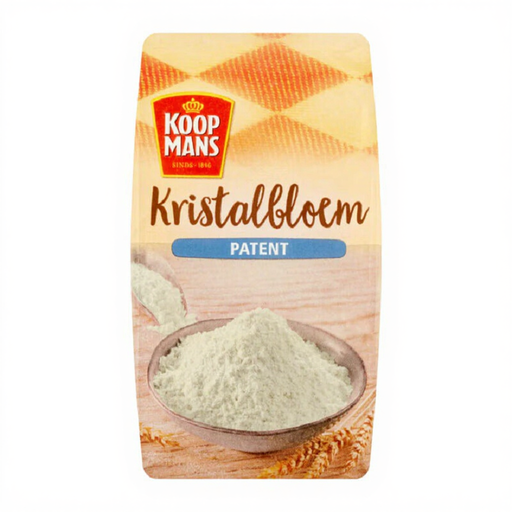
Why It Stands Out According to the manufacturer, this bread flour has a higher protein content and better gluten-forming ability than regular wheat flour. This makes it suitable for bakes that require an elastic structure.
Pros
Who It's For The home cook who enjoys making their own bread or fresh pasta and needs a flour that ensures a firm and elastic texture.

Why It Stands Out This product is specifically formulated as cake flour. It has a low gluten content (8.5 g of protein per 100 g), which is essential for creating a soft and delicate texture.
Pros
Who It's For The baking enthusiast who strives for perfection and is looking for a specialized flour to create extra light and fine pastries.
Is the flour you need for your specific recipe not listed here? Every baking project calls for unique ingredients. For a broader overview of different types of flour and other baking products, you can browse our full assortment.
Explore our full range of flour here
Whole wheat flour is made from the entire grain kernel, including the bran and germ. This makes it more nutritious and gives it a coarser texture. White flour is made from only the inner part of the grain kernel (the endosperm). As a result, white flour is finer in texture and whiter in color.
Yes, you can. If you substitute self-rising flour for wheat flour, you should omit the leavening agent (like baking powder or yeast) from your recipe. The reverse is also possible: add 2 teaspoons (about 8 grams) of baking powder to 100 grams of wheat flour to make your own self-rising flour.
Store flour in a cool, dry, and dark place. A well-sealed canister or container is ideal. This protects the flour from moisture, light, and pests, helping to preserve its quality and freshness for longer.
