
Vandaag of morgen in huis

Kwaliteit gegarandeerd

Welkomstaanbiedingen ontgrendelen: GRATIS bezorging | Tot 80% korting | Gratis 30 dagen JoyPlus-proefperiode
Download de app
Anyone looking to buy rice wine will soon come across a long list of sake, makgeolli, Chinese rice wine and fruity varieties. The names can sometimes seem similar, but there are major differences in alcohol content, flavour, ingredients and intended use. A sweet drink for dessert is not automatically suitable as a rice wine for cooking.
This practical guide will show you what to look for and which popular choices suit different drinking occasions.
A traditionally styled bottle says little about the flavour. Korean makgeolli is usually cloudy, creamy and lightly sparkling, while Japanese sake is generally clear and may have a drier profile. Chinese rice wine, on the other hand, can be sweet, syrupy or specifically intended for use in the kitchen.
Always check:
A low-alcohol rice wine still contains alcohol. Makgeolli at 3%, sweet rice wine at 1.2% and rice wine juice with a low stated percentage are therefore not automatically alcohol-free drinks. Check the label and product information before placing your order.
The distinction is also important with fruity drinks. Korean soju with peach or melon is a flavoured alcoholic drink and is not the same as traditional rice wine.
Fermented drinks can react differently to heat and temperature fluctuations. Some products must be refrigerated after opening and used within a few days. For example, Mi Popo Sweet Fragrant Rice Wine is stated to require chilled storage at 0–4 °C. Other bottles specify storage in a cool, dry place.
Before buying, check:
The alcohol content partly determines how strong the drink tastes, but it does not fully indicate how sweet or dry it will be.
A higher percentage does not automatically mean a more intense flavour. The ingredients, fermentation method and added fruit juices also play a part.
Anyone sensitive to gluten should take extra care. According to the product information, classic WOORISOOL makgeolli contains, among other ingredients, barley and wheat flour. The peach variety also lists wheat. Ozeki Junmai Sake is described as containing rice, water, yeast and koji, and lists none of the 14 major EU allergens.
Also look out for sugar, fruit juice, sweeteners and flavourings. A fruity rice wine, for example, may contain red grape juice, peach extract or white grape concentrate. Always check the current packaging, as product formulations can change.
A 180 ml bottle is handy for trying Japanese sake without immediately buying a large quantity. A 1.5-litre bottle is more suitable for several diners or regular use. For cooking, a 1-litre bottle such as Luhua Natural Aromatic Cooking Rice Wine is practical.
Be aware of the difference between:
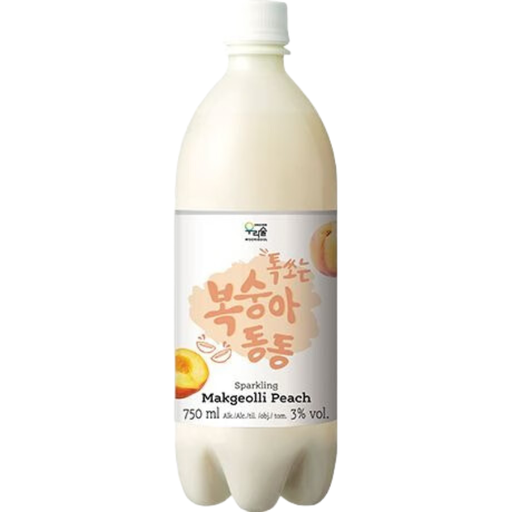
Why it suits this profile: This Korean makgeolli combines a low alcohol content with a sweet peach flavour and a 750 ml bottle, making it ideal for a relaxed introduction.
The 3% alcohol content and ingredients are clearly stated. However, be aware that it contains wheat.
3% alcohol, peach flavour and a creamy, lightly fermented style according to the product description.
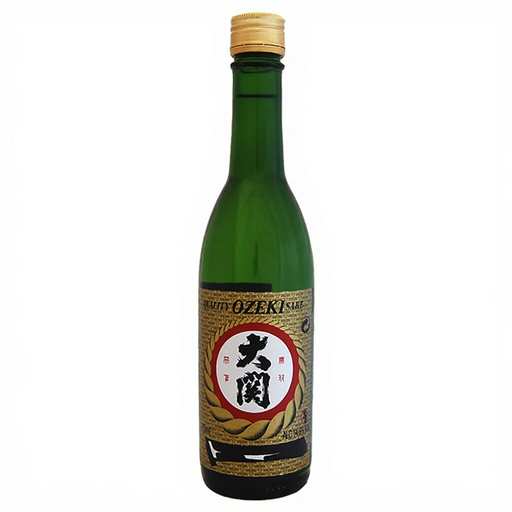
Why it suits this profile: This junmai sake is intended for anyone looking to serve a classic Japanese sake with no added alcohol alongside sushi, sashimi or hot dishes.
The product information lists rice, water and koji as its base ingredients and states an alcohol content of approximately 16%. This makes it clear from the outset that it is not a light drink for beginners.
375 ml, no added alcohol, and suitable for serving chilled, at room temperature or lightly warmed.
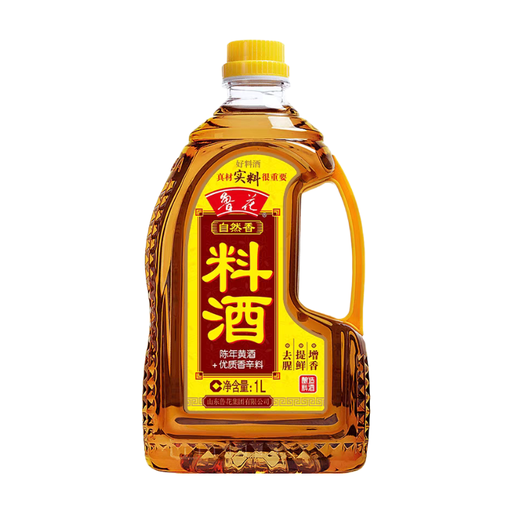
Why it suits this profile: According to the product information, this Chinese rice wine is intended for marinating, braising and stir-frying, rather than as a regular table drink.
The label clearly states that the product contains alcohol, salt and wheat and is intended exclusively for culinary use.
1 litre capacity, suitable for marinades, stews and stir-fries; 1.47 g of salt per 100 ml is stated.
We have compiled a complete, up-to-date list of products that fully meet these strict selection criteria and the applicable European safety regulations.
Makgeolli is often served chilled and, according to the product information, lightly shaken before pouring. If the bottle is cloudy, check whether shaking is actually recommended. Junmai sake can be served chilled, at room temperature or lightly warmed. Warm it gently and follow the instructions on the packaging.
Store an opened bottle according to the label. Refrigerate chilled products immediately and observe the stated period after opening. Alcoholic drinks are suitable for adults only. Drink responsibly and avoid alcohol during pregnancy.
No. Sake is Japanese rice wine, but rice wine is a broader search term. In online shops, it often also includes makgeolli from Korea and certain Chinese fermented drinks. Soju is usually a separate Korean distilled or flavoured drink.
A product with 3% to 5% alcohol and a fruity flavour can be approachable. According to the product information, Woorisool peach makgeolli contains 3% alcohol. If you prefer a dry, less sweet drink, you could try a small bottle of junmai sake.
That depends on the product. Choose a bottle that explicitly states that it is intended for culinary use. Luhua Natural Aromatic Cooking Rice Wine is described as suitable for this purpose. A sweet drinking variety could instead add extra sugar and a different flavour profile to a dish.
