
Vandaag of morgen in huis

Kwaliteit gegarandeerd

Welkomstaanbiedingen ontgrendelen: GRATIS bezorging | Tot 80% korting | Gratis 30 dagen JoyPlus-proefperiode
Download de app
A bag of Taokaenoi seaweed snacks might seem easy to choose at first glance. But the varieties differ considerably in flavour, texture, size and ingredients. If you go by the front of the pack alone, you could end up with a snack that’s too spicy, too oily, too small or unsuitable if you have an allergy.
The main pitfalls are clear:
A traditional roasted seaweed snack usually consists of thin sheets of seaweed with oil, salt and seasoning. Taokaenoi Crispy Seaweed Original is listed in the product information as containing 85% Porphyra yezoensis. The texture is thin and crispy, similar to a light, crisp snack.
A tempura variety is made differently. According to the product information, Taokaenoi Tempura Seaweed Spicy 40g contains 35% wheat flour, 25% seaweed, tapioca starch and palm oil, among other ingredients. This gives it a thicker, fried-style bite. If you avoid gluten or wheat, check these ingredients especially carefully.
If you’re new to Thai seaweed snacks, Original is generally a safer choice than wasabi or chilli. According to the listed ingredients, the Original variety contains salt and white pepper, among other things.
A spicy seaweed snack can offer different kinds of heat:
So, with the Tom Yum Goong variety, check not only the flavour but also the listed ingredients and allergens. The exact recipe may vary by pack or market.
The range includes 27, 32, 40 and 59 gram packs. A 59 gram bag is handy for several snacking occasions, while 27 or 32 grams may suit a lunchbox or a short break.
Also check:
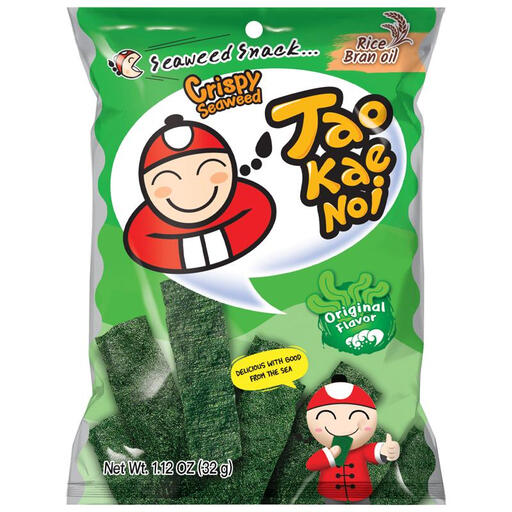
Why it suits this profile: The 32 gram portion is a manageable size if you’re trying Taokaenoi for the first time and want to compare a more neutral flavour first.
The Original flavour avoids an unexpectedly strong chilli or wasabi kick. Still, check the current ingredients list on the label.
85% seaweed according to the product information; compact 32 gram pack; ideal for a simple flavour comparison.
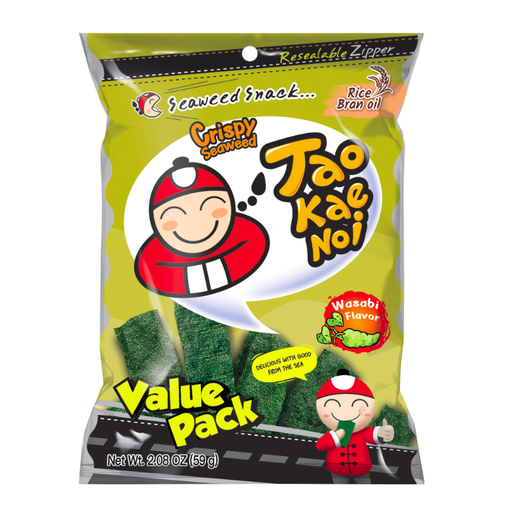
Why it suits this profile: This wasabi variety is a natural choice for fans of bold flavours who prefer a larger pack.
The flavour is described more clearly than with a general “spicy” claim. Wasabi still has a sharp kick, though, so you may want to start with a small portion.
59 grams net weight; thin, crispy sheets according to the product description; stated to be free from the 14 main EU allergens.
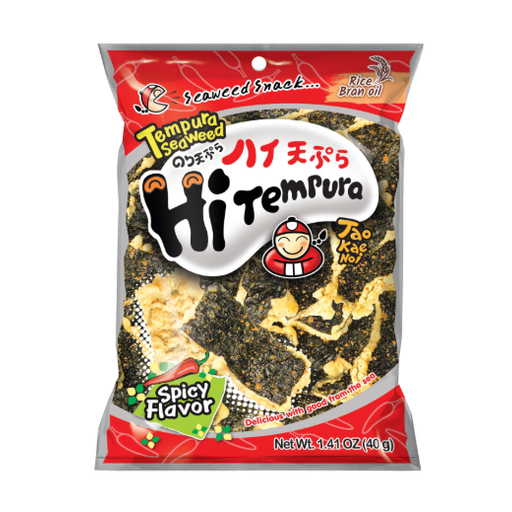
Why it suits this profile: This Thai seaweed snack is a good fit if you’re after a thicker, fried tempura bite with a spicy seasoning.
The product description makes the tempura ingredients clear. This lets you take wheat, gluten, oil and the higher batter content into account when choosing.
40 gram pack; tempura style with wheat flour and tapioca starch; chilli and white pepper listed as seasonings.
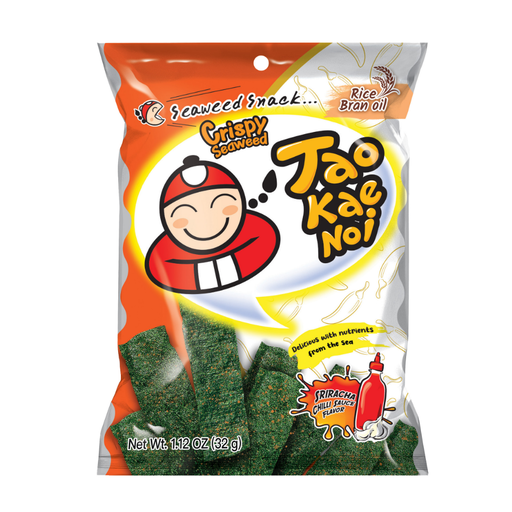
Why it suits this profile: A handy choice if you’re after a crispy seaweed snack with chilli, garlic and a savoury Sriracha-style flavour.
The ingredients list includes soya, among other things. This is useful if you want to check allergens in advance rather than relying on the flavour name alone.
32 gram pack; 85% seaweed according to the product information; Sriracha flavour with chilli, garlic and onion seasonings.
We’ve put together a complete, up-to-date list of products that meet these strict selection criteria and the applicable European safety requirements.
It varies by variety. Some Original products are described as suitable for vegans in the product information, while other flavours may contain ingredients such as shrimp powder, soya or milk derivatives. Always check the current packaging and allergen list before buying.
Store the unopened bag in a cool, dry place, away from moisture and direct sunlight. Seal the pack as tightly as possible after opening and, ideally, eat the snack soon afterwards. Moisture is the main cause of a softer texture.
An Original or Hot & Spicy variety with thin, roasted sheets is the closest match to crisps as a snack. If you prefer a thicker, more fried texture, you could try Taokaenoi Tempura Seaweed. With tempura, be sure to check the listed wheat and gluten ingredients.
