
Vandaag of morgen in huis

Kwaliteit gegarandeerd
Download de app
Categorieën

Choosing the right rice can make or break a dish. Whether you're searching online for a specific variety for a recipe, a healthier option for your diet, or simply looking to restock your pantry, the selection is vast. The wrong choice can result in a mushy texture when you wanted a fluffy grain, or a type of rice that doesn't align with your nutritional goals. This guide will help you choose the right rice based on facts and specifications.
Before making a choice, it's helpful to consider a few basic criteria. These factors will determine the flavour, texture, and nutritional value of your meal.
The length of the grain directly influences the texture after cooking.
Rice is more than just a source of carbohydrates. Depending on the processing and variety, the nutritional values can vary significantly.
Some rice varieties are known for their specific scent and flavour.
Below is a selection of different rice varieties and alternatives, each with unique properties. The choice is based on product parameters and potential applications.
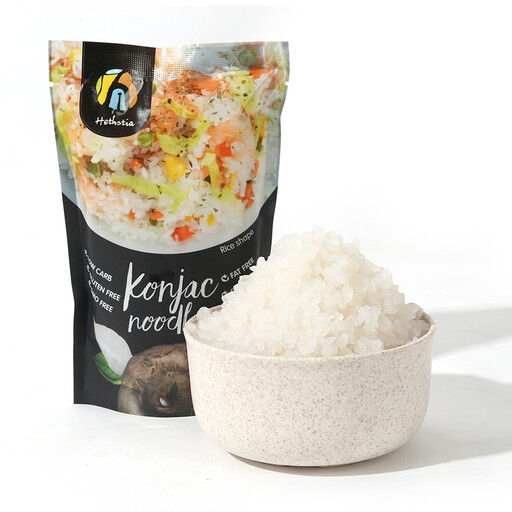
Why this product: This is a rice substitute based on konjac flour and water. It is designed as an alternative to traditional rice for people looking to limit their carbohydrate or calorie intake. The product is pre-cooked and ready to use immediately after rinsing and heating.
Benefits (Pros):
Who is this for: Individuals following a strict low-carb or ketogenic diet, or anyone looking for a low-calorie meal component. It is not a one-to-one substitute in terms of taste and texture, but a functional alternative.
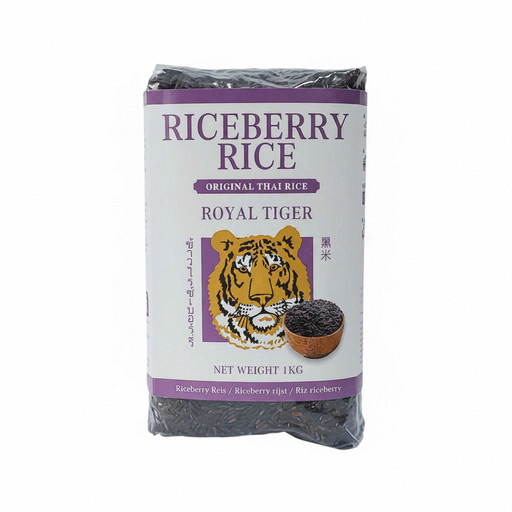
Why this product: Riceberry rice is a Thai whole-grain rice created from a cross-breed of jasmine rice and black rice. This results in a striking purple-black colour and a rich nutritional profile. It retains the entire grain, including the bran and germ.
Benefits (Pros):
Who is this for: Consumers looking for a nutritious and flavourful whole-grain rice. It is a great choice for grain bowls, salads, stir-fries, or as a healthy side dish.
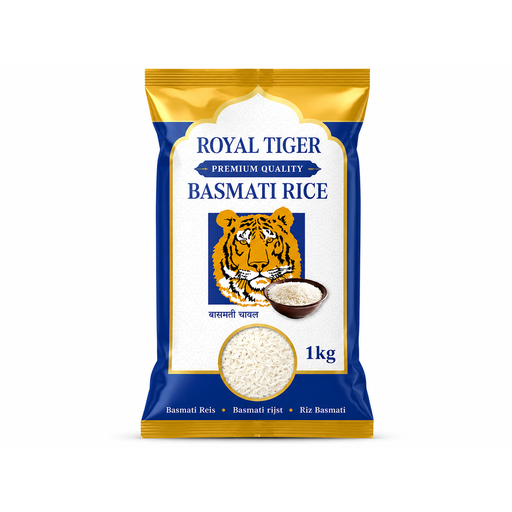
Why this product: This is a classic aromatic rice of premium quality, selected for its extra-long grains. Basmati is known for its ability to produce loose, fluffy, and non-sticky grains after cooking, which is essential for many traditional dishes.
Benefits (Pros):
Who is this for: Cooks seeking an authentic texture and flavour for Indian, Pakistani, or Middle Eastern dishes. Also an excellent choice for anyone who prefers a dry, fluffy long-grain rice.
This selection covers some popular needs, from diet-specific to culinary. However, the range is much broader. Are you looking for specific sushi rice for maki, arborio for a creamy risotto, or another type of grain?
Explore our full range in the Staple Foods category for more choices.
The main difference lies in the processing. Whole-grain rice, also known as brown rice, still contains the bran and germ. This is where most of the fibre, vitamins, and minerals are found. White rice is milled, meaning the bran and germ have been removed. This results in a softer texture and shorter cooking time, but also less dietary fibre.
No, konjac rice is not a type of grain. It is a rice substitute made from the fibres of the konjac plant, mixed with water. The product mimics the shape of rice grains. Its texture is gelatinous, and its flavour is neutral. It is primarily used in low-carb and low-calorie diets as a filler instead of real rice.
Uncooked dry rice can be stored for a long time. The ideal conditions are a cool, dry, and dark place. Store the rice in an airtight package or container to protect it from moisture, pests, and external odours. Whole-grain rice has a shorter shelf life than white rice due to the natural oils in the germ, which can become rancid over time.