
Livraison le jour même et le lendemain

Qualité garantie

Débloquez vos offres de bienvenue: Livraison GRATUITE | Jusqu'à -80 % | 30 jours d'essai gratuits à JoyPlus
Téléchargez l'application
If you want to buy rice products online, you’ll quickly come across dozens of varieties: from Asian rice and ready-to-eat rice to sushi rice, rice cakes and complete rice meals. The difference isn’t just about flavour. Preparation time, portion size, storage, allergens and the final dish all determine whether a product is right for you.
Packaging often uses terms like ready-to-eat, pre-cooked rice and instant. That doesn’t always mean you can eat the product without any further instructions. Some varieties need to be heated in a pan or microwave first. Always check the preparation method and the recommended temperature.
A 250 g pack might look cheap, but it could contain just one or two portions. Instead, compare the price per 100 g or per portion. With multi-packs, such as four individual portions, you may pay slightly more per pack but you get a practical supply for several meals.
Rice itself is usually gluten-free, but composite products can contain wheat, soya, milk, egg, fish or shellfish. Frozen products also need extra attention: they must stay frozen and should not be refrozen after defrosting. When buying online, always check the current product information and inspect the label on delivery.
For a quick lunch or meal after a long day at work, ready-to-eat rice or a rice meal that heats up in minutes is ideal. According to the product description, Lassie Panklaar Toverrijst can be heated in a pan or stir-fried in around three minutes. Ottogi Cooked Rice states a microwave preparation time of two to three minutes.
If you want more control over texture and flavour, you can choose dry rice. Hanako Premium Sushi Rice Koshihikari-style is a short-grain Japonica rice that, according to the product information, should first be rinsed and then cooked for around 10 to 12 minutes, followed by a resting time.
The right rice depends on the dish:
Don’t just compare the front of the pack. Look at the ingredients list, the portion size and the nutritional values per 100 g and per portion. A ready-to-eat product may contain oil, salt, sauce or flavourings. With composite meals, the difference between rice, vegetables, meat, fish and sauce is relevant.
Pay extra attention to dietary requirements:
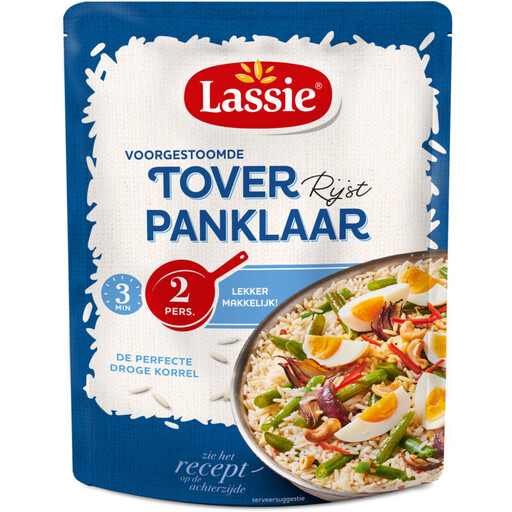
Why this fits: A handy base for one quick meal or two smaller portions. According to the product description, the rice can be heated in a pan in around three minutes.
The preparation method and portion size are clearer than with loose rice without cooking instructions. Do check the label for possible traces of gluten and milk.
250 g, pre-cooked white rice, 160 kcal per 100 g according to the stated nutritional information and naturally gluten-free according to the product description.
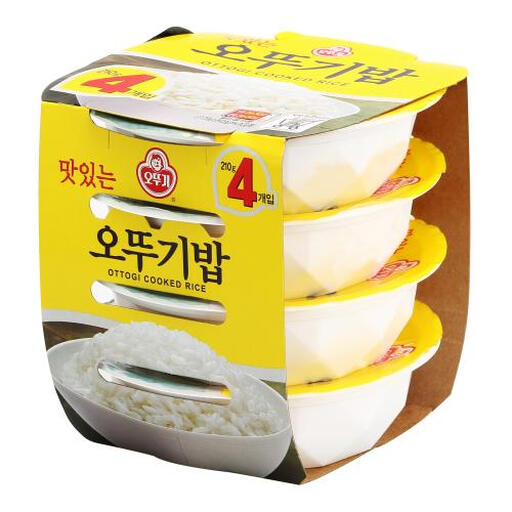
Why this fits: Four individual portions are suitable for students, families and households that want to use rice on different days.
You don’t have to store a large opened pack for several days. After opening, the portion should be consumed immediately according to the product information.
4 x 210 g, rice as the only listed ingredient and a preparation time of around two to three minutes in the microwave.
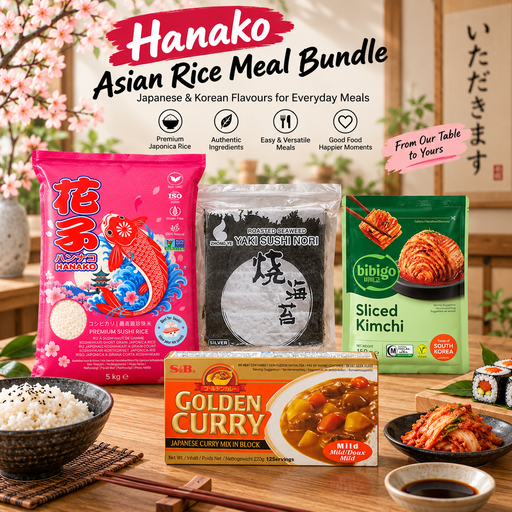
Why this fits: The 5 kg pack is aimed at those who regularly make sushi, onigiri, rice bowls or other Asian dishes.
You choose a rice type that suits the dish rather than using ordinary long-grain rice for sushi. Rinsing, water ratio and resting time remain important.
100% Japonica rice according to the product information, with a soft and slightly sticky texture after preparation.
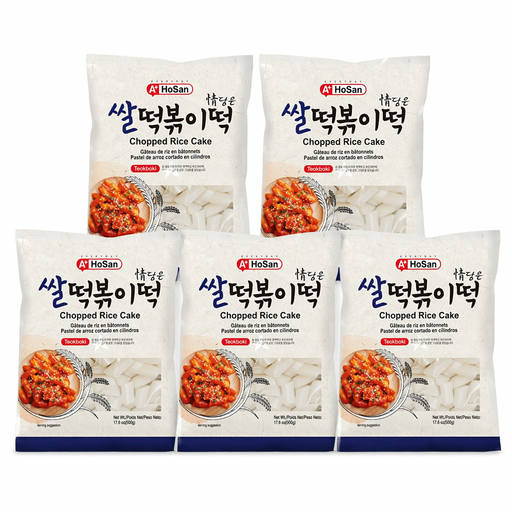
Why this fits: A bulk pack for those who regularly make tteokbokki or other Korean dishes.
Rice cake is not a ready-to-eat meal. You need sauce and possibly vegetables or fish cake. Rinse the rice cake according to the instructions before use.
The ingredients list states 98.9% rice; the pack contains five bags of 500 g.
Browse a current selection of rice meals and other rice products that you can compare by type, portion, preparation and storage.
For a quick poké bowl rice, add toppings only after heating. Think of cucumber, avocado, edamame, tofu, chicken or fish and a dressing. Check with ready-to-eat products whether the rice already contains salt or oil, so you can adjust the rest of the dish accordingly.
For nasi goreng, a base rice works together with a bumbu, vegetables and optionally egg or meat substitute. Pay attention to the allergens listed on Toko Lien Boemboe Nasi Goreng: wheat, prawn and soya. For vegetarians and vegans, it is necessary to check both the rice and the flavouring separately.
If you’re looking for a snack, consider onigiri or kimbap. Bamboo Cuisine Onigiri is available with, among others, salmon mayonnaise or chicken teriyaki. These products are delivered frozen; therefore follow the storage instructions and check allergens such as egg and mustard.
Choose pre-cooked rice with clear heating instructions. Individual portions are practical if you want to limit waste. For a larger meal, you could consider a 450 g to 700 g bag or a multi-pack.
Use a short-grain Japonica or sushi rice. This rice becomes softer and stickier after cooking than many long-grain varieties. Rinse the grains and follow the water ratio on the packaging for an even texture.
Store dry rice and shelf-stable ready-to-eat rice in a cool, dry place away from direct sunlight. Frozen products must stay frozen. After opening or defrosting, follow the period stated on the label and do not use the product again if the packaging is damaged.
