
当日/次日达

品质保障

开启新人专享福利: 全场免邮 | 低至 2 折 | 免费试用 30 天 JoyPlus 会员
下载 Joybuy
Are you looking to buy rice noodles for pho, pad thai, a stir-fry or spring rolls? The selection might seem straightforward, but names like rice vermicelli, mihoen, rice sticks and glass noodles are often used interchangeably. This can lead to noodles that turn out too soft, don't suit your dish, or don't match your dietary requirements.
Pay particular attention to three common pitfalls:
Vietnamese rice noodles are often thin and suitable for pho, bun dishes, salads and fresh spring rolls. For pho noodles, fine rice vermicelli or thin rice noodles are typically used, depending on the texture you want.
Thai rice noodles and rice sticks come in various widths. Thin varieties work well in soups and salads. Medium-width noodles of around 3 mm are practical for stir-frying. For pad thai noodles, wide, flat rice sticks are common; a 10 mm variety gives a firmer bite.
Glass noodles become transparent after cooking. They are often made from starch such as mung bean, pea, corn, sweet potato or wheat starch. They absorb sauce well and are used in soups, hotpot, salads and spring rolls. Always check the starch type and allergens.
Rice noodles are often made from rice flour or rice, water and sometimes tapioca or corn starch. Tapioca can make the noodle more elastic. A short ingredients list is clear, but doesn't automatically tell you about taste or cooking time.
Several products in the range do not list any of the 14 main EU allergens, such as the Bamboo Tree varieties and Farmer Brand Rice Stick Noodle 3 mm. Even so, the packaging remains the deciding factor. For Sunlee Vietnamese Rice Noodles - 454 g, the product information provided lists both rice and water as well as a mention of wheat and soya. That information isn't fully consistent. So check before you buy and use the current allergen declaration on the packet.
A pack of rice noodles 400 g is handy for families, multiple meals or meal prep. Smaller packs, such as 100 g, are suitable if you want to try a recipe first. A bulk pack of 750 g or 1,000 g is better for regular use, but requires dry, airtight storage.
For dried noodles, follow the instructions on the label. Often you need to soak them in warm water and then briefly boil them, while other varieties can go straight into soup or a wok. Rinse soaked noodles with cold water if you're stir-frying them later; this stops them from overcooking.
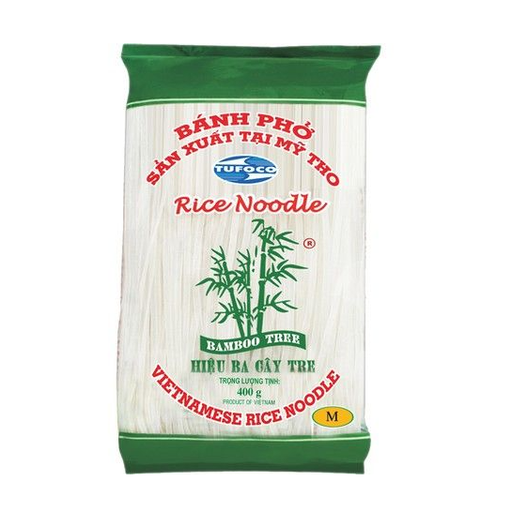
Why this fits the profile: The 400 g pack and medium width are practical for an initial stock and various stir-fry or soup dishes.
The 3 mm specification makes the choice clearer than a general name like mihoen. The product information lists rice, tapioca and water as ingredients.
400 g content; 3 mm width; according to the product information, none of the 14 main EU allergens.
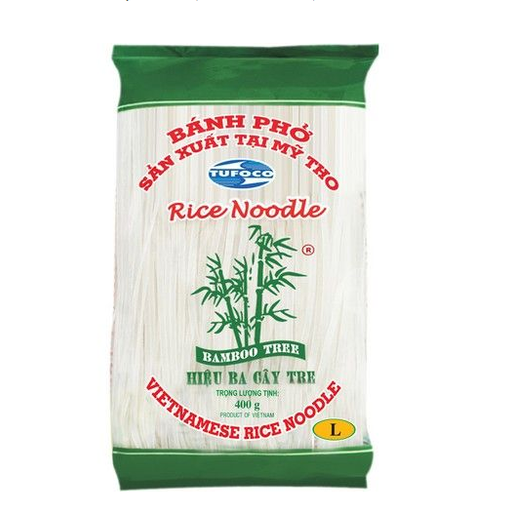
Why this fits the profile: The 5 mm width gives more texture in hearty stir-fries, meal bowls and soups with multiple ingredients.
The clear size prevents you from choosing vermicelli that's too thin for a dish where the noodle needs to stay firm.
5 mm width; 400 g pack; product information lists rice, tapioca and water.
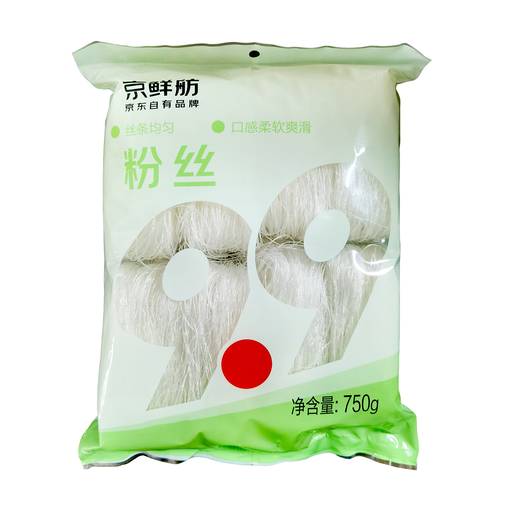
Why this fits the profile: The large pack is suitable for regular preparation of hotpot, soups, salads, stir-fries and spring rolls.
The product name makes it clear these are glass noodles, not rice noodles. The ingredients list 97% wheat starch and 3% pea starch, so you can check the difference.
750 g content; suitable for multiple cooking methods; contains wheat so is not suitable for a gluten-free diet.
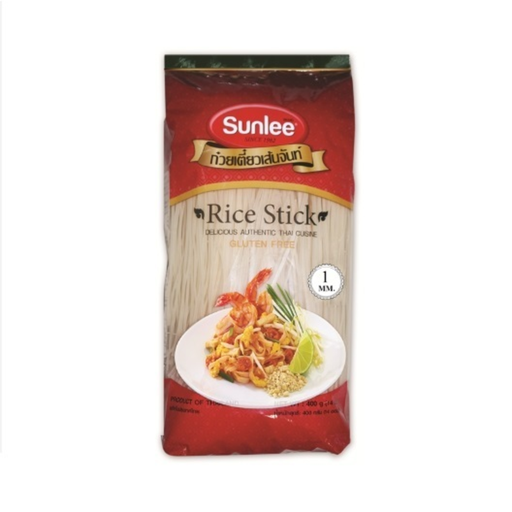
Why this fits the profile: The thin 1 mm structure is useful for pho, pad thai, salads and spring rolls, while the pack is suitable for multiple meals.
The product information lists rice flour and water as ingredients and gives a short soaking or cooking time. Check the actual packaging when gluten-free eating is essential.
1 mm thin; 400 g content; according to the product information, suitable for vegetarian and vegan dishes.
We've put together a full, up-to-date list of products that fully meet these strict selection criteria and current European safety regulations.
Rice vermicelli is typically made from rice or rice flour, sometimes with tapioca. Glass noodles are made from starch, for example mung bean, pea, corn, sweet potato or wheat starch. Glass noodles become transparent after cooking; rice noodles usually stay white or slightly translucent.
For pad thai, flat rice sticks of medium to wide thickness are usually used. A 3 mm variety is practical for a milder, finer texture. A 10 mm rice stick gives more bite. Soak the noodles according to the packet and add them to the wok in good time so they don't become too soft.
Store unopened packs in a cool, dry place away from direct sunlight. Seal an opened pack tightly and keep moisture away. Check the best-before date, the packaging and any cooking instructions before use.
