
Vandaag of morgen in huis

Kwaliteit gegarandeerd

Welkomstaanbiedingen ontgrendelen: GRATIS bezorging | Tot 80% korting | Gratis 30 dagen JoyPlus-proefperiode
Download de app
Are you looking to buy rice noodles, but can’t tell the difference between terms like rice sticks, rice vermicelli and Asian noodles? The packaging often seems to offer more clarity than it actually does. A thin noodle for spring rolls behaves very differently from a wide noodle for pad thai. What’s more, not all vermicelli noodles are made from rice.
With this buying guide, you can compare the key features, spot common pitfalls and choose a product that suits your dish and cooking routine.
Rice vermicelli, glass noodles and barley vermicelli are sometimes grouped together, but they are different products. Glass noodles are usually made from mung bean or potato starch. Barley vermicelli can contain wheat and egg. Always check the ingredients list.
A clear example is Ankara Makarnası barley vermicelli 500 g. This product contains wheat and egg, so it is not a gluten-free rice noodle. If you are specifically looking for Asian rice noodles, it’s best to skip this type.
The thickness determines how quickly the noodle softens and how much sauce or broth it holds. A 1 mm noodle is suitable for light preparations, while a 5 mm or 10 mm rice stick offers more bite and structure.
So don’t just rely on words like “Thai style” or “Vietnamese”. Look at the millimetres stated and follow the cooking instructions on the packet.
Many rice noodles are made from rice, tapioca and water, and according to the product information do not contain any of the 14 main EU allergens. However, recipes, production environments and packaging can change. Always check the current label before use, especially if you have coeliac disease or a severe allergy.
A product description on a website does not replace the information on the packaging.
For gluten-free rice noodles, common ingredients include rice, rice flour, tapioca and water. Sunlee Premium Rice Stick 5mm, for example, states a composition of 90% rice flour and 10% water. Bamboo Tree Rice Noodles lists rice, tapioca and water.
Bear in mind that “rice noodle” does not automatically mean the product is suitable for every allergy. Some products contain wheat, soya or egg. If in doubt, choose a product with a clear ingredients list and check the packaging when it arrives.
Use this guide as a practical reference:
Thickness is not a quality mark. It is primarily a functional characteristic.
A 400 g packet is practical for regular home use. Larger packs, such as 908 g or 1 kg, are better suited to big households, meal prepping or heavy use. Do check the best-before date and store an opened packet airtight, in a cool, dry place.
Preparation varies by product. Some noodles need to be soaked for a few minutes, while others are briefly boiled. For Bamboo Tree Fresh Rice Vermicelli Bun Tuoi, for example, the instructions say: soak in boiling water for 3 to 5 minutes, then drain and rinse with cold water. Always follow the instructions on your packet.
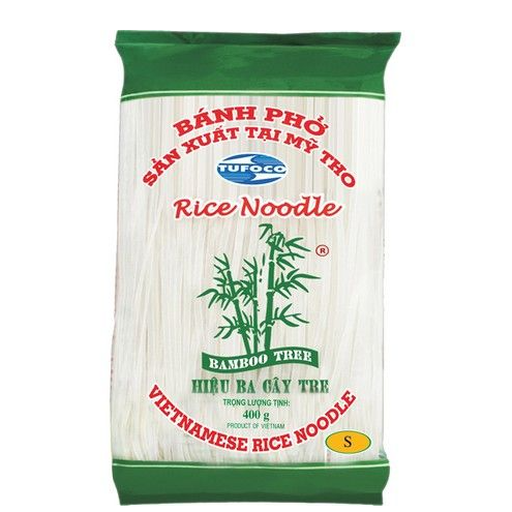
Why this suits the profile: The 400 g packet is manageable for anyone using Vietnamese rice noodles for the first time. The 1 mm thickness works well for light soups, salads and spring rolls.
The product information states the exact thickness, weight and ingredients: rice, tapioca and water. This means you don’t have to rely solely on a general product name.
400 g content, 1 mm thickness and, according to the product information, free from the 14 main EU allergens. Check the current label before use.
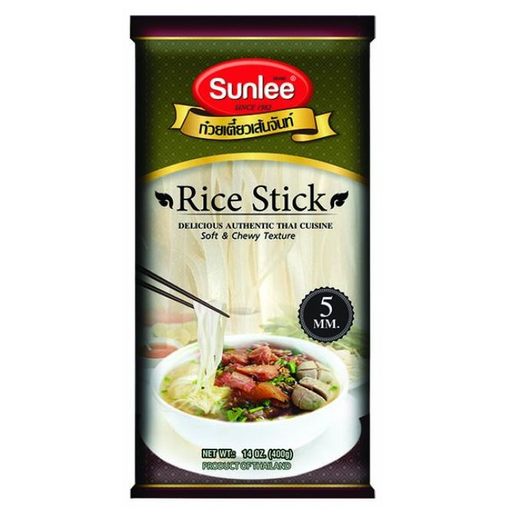
Why this suits the profile: The 5 mm wide rice sticks offer a clear structure for pad thai, pho and stir-fries. The packet states 90% rice flour and 10% water.
The size indication and recommended cooking time of 6 to 8 minutes make this product easier to compare than a packet without technical details.
5 mm width, 400 g content and a composition based on rice flour and water according to the product description.
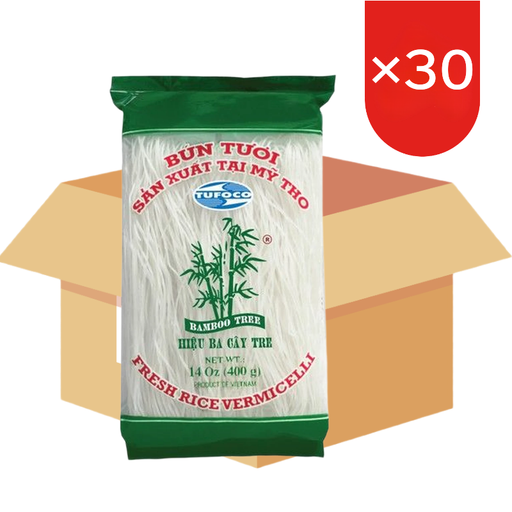
Why this suits the profile: The box of 30 packets of 400 g is designed for heavy use, meal prepping or households that often cook Vietnamese dishes.
You won’t accidentally buy a small packet when you cook regularly. Do check your storage space and the best-before date before purchasing a box.
30 individual packets of 400 g and, according to the product information, a gluten-free composition. Always check the packaging on delivery.
We’ve put together a full, up-to-date list of products that fully meet these strict selection criteria and current European safety regulations.
No. Many products are based on rice and tapioca and are described as gluten-free, but some varieties may contain wheat, soya or other allergens. An example is Sunlee Vietnamese Rice Noodles 454 g, whose product information gives conflicting allergen details. Always check the current label.
For pad thai, medium-wide rice sticks of around 5 mm are typically used. A product like Sunlee Premium Rice Stick 5mm 400g matches this application in terms of size. Cooking times and soaking advice can vary by brand.
Follow the best-before date on the packet and store the noodles in a cool, dry place away from direct sunlight. Once opened, an airtight container is advisable to limit moisture and contamination. If you are unsure about damaged packaging or an unusual smell, it’s best not to use the product.
