
Vandaag of morgen in huis

Kwaliteit gegarandeerd

Welkomstaanbiedingen ontgrendelen: GRATIS bezorging | Tot 80% korting | Gratis 30 dagen JoyPlus-proefperiode
Download de app
If you've ever tried to make an authentic Pad Thai or a steaming bowl of Pho at home, you know that the noodles can make or break the dish. The Asian noodle aisle can be overwhelming, and the wrong choice often leads to a sticky, mushy disappointment. Many packages promise the world, but the contents aren't always suitable for the dish you have in mind.
Before you put another pack of noodles in your basket, it's worth considering a few common pitfalls:
To avoid these problems, you don't need to be an expert. Just pay attention to two simple specifications: thickness and ingredients. These two factors determine 90% of your dish's success.
The width of the noodle is the most important factor. Each thickness has a specific purpose in Asian cuisine.
buy Asian noodles. These flat noodles are sturdy enough for stir-fries and soups. The 5 mm version is often considered the standard for Pad Thai noodles, while both the 3 mm and 5 mm are popular for Pho noodles. They absorb sauce well without becoming mushy.Most rice noodles are naturally gluten-free noodles, but their composition affects the bite.
Based on these objective criteria, we've highlighted a few popular choices that suit different types of home cooks.
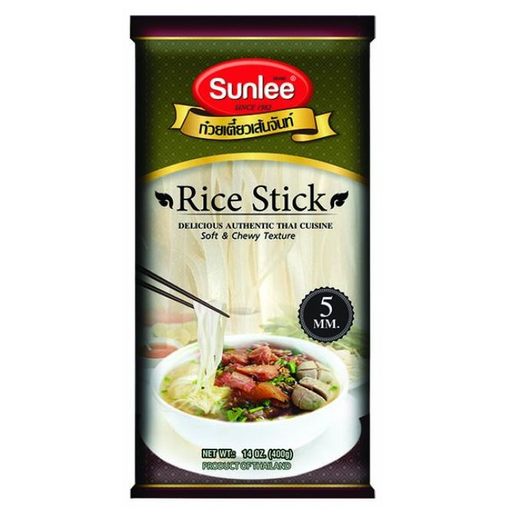
Why This Fits Their Persona: This is the ideal all-rounder for the most iconic noodle dishes. The 5 mm width is perfect for a classic Pad Thai and sturdy enough not to break in a rich Pho broth.
These noodles are specifically designed for stir-frying and soups. The thickness prevents them from turning mushy, a common problem when using noodles that are too thin.
Made from 90% rice flour for an authentic, springy texture. Highly versatile.
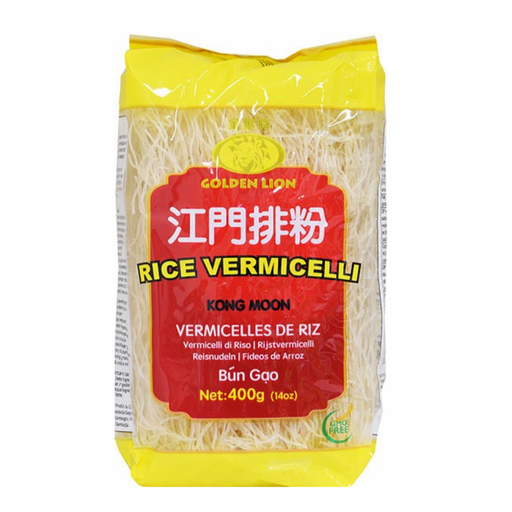
Why This Fits Their Persona: For those who love making light, fresh dishes. This thin rice vermicelli is the foundation for Vietnamese noodle salads and the perfect filling for fresh (summer) spring rolls.
The name "vermicelli" makes it immediately clear that these are thin noodles. This prevents you from accidentally buying them for a stir-fry, for which they are unsuitable.
Quick preparation (soaking in hot water is often sufficient). The delicate texture is ideal for dishes where the noodle supports rather than stars.
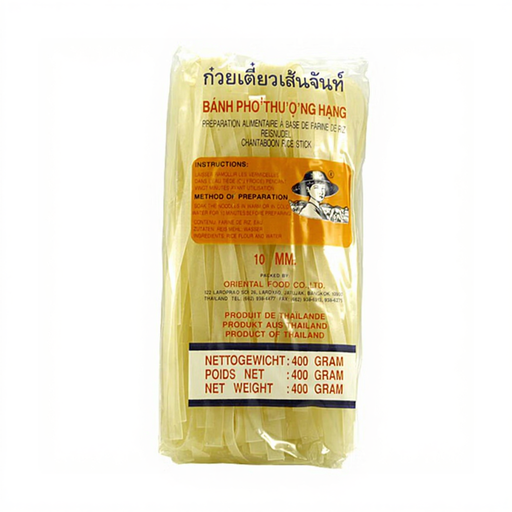
Why This Fits Their Persona: For the home cook seeking that specific, wonderfully soft and wide noodle for dishes like Pad See Ew or Chinese stir-fries.
The clear "10 mm (XL)" designation on the package leaves no room for doubt. You know you're buying the correct wide rice noodles for your specific recipe.
Made from only rice and water for a pure flavour. The wide shape is perfect for soaking up thick, flavourful sauces.
We have compiled a complete, up-to-date list of products that fully meet these objective selection criteria.
The terms are sometimes used interchangeably, but generally, rice vermicelli refers to the very thin, thread-like noodles (1-2 mm). Rice noodles or rice sticks is a broader term for the flat, ribbon-style variants that come in different widths, such as 3 mm, 5 mm, and 10 mm. The choice depends entirely on the dish you are making.
The golden rule: rinse the noodles with cold water immediately after cooking or soaking. This stops the cooking process and washes away the excess starch that causes stickiness. If you plan to use the noodles in a stir-fry later, you can toss them with a small dash of neutral oil after rinsing to prevent them from clumping into a block.
Most rice noodles are naturally gluten-free noodles because they are made from rice flour. Sometimes other starches like tapioca or corn starch are added, which are also typically gluten-free. However, if you have celiac disease or a severe gluten intolerance, it is always wise to check the ingredient list on the packaging to rule out cross-contamination or unexpected additives.
