
Vandaag of morgen in huis

Kwaliteit gegarandeerd

Welkomstaanbiedingen ontgrendelen: GRATIS bezorging | Tot 80% korting | Gratis 30 dagen JoyPlus-proefperiode
Download de app
Rice noodles may seem simple at first glance: choose a packet, soak the noodles and add them to your dish. However, the wrong thickness can result in limp strands in a soup, noodles that break in a salad or a texture that does not suit pad thai.
If you want to buy rice noodles, it is therefore worth looking beyond the brand, packaging and appealing descriptions. The most important information is usually on the label: the width, ingredients, preparation method and allergen information.
The terms are not always used consistently by online shops. Rice vermicelli generally refers to thin rice noodles. Rice sticks are usually flatter or wider and are often identified by their measurement in millimetres.
For example, a thin Vietnamese rice noodle measuring around 1 mm is better suited to light soups, bun dishes and fresh spring rolls. A wide rice stick measuring 5 to 10 mm is a more logical choice for stir-fries and pad thai noodles.
Rice, tapioca and water are often the basis of gluten-free rice noodles. However, product information and packaging may differ. Always check the current ingredients list and allergen information on the packaging.
Some products display an allergen warning that does not fully match a brief online description. For people with coeliac disease or an allergy, the label is the definitive source. A product with rice as its main ingredient is not automatically suitable without carrying out this check.
Some varieties only need soaking, while others need to be boiled briefly. Soaking thin noodles for too long can make them sticky. Preparing them for too little time can leave a hard centre.
Pay particular attention to the recommended water temperature and timing. If the noodles will be stir-fried afterwards, a shorter pre-treatment is often more practical than cooking them until fully tender.
Thickness is one of the most useful criteria when choosing what to buy.
The pack size is also relevant. A 400 g rice noodles pack is practical for several meals or a family. If you cook regularly, 500 g, 908 g or multipack options offer better value per portion, but do check the best-before date and how much storage space you have.
Many products in this category consist of rice, tapioca and water. Tapioca can make the texture smoother or firmer, but the exact texture also depends on the thickness of the product and how it is prepared.
Check the following before paying:
Use a large bowl or pan and follow the instructions on the packaging. Thin noodles often need less time than wide rice sticks.
A practical method:
When stir-frying, the noodles can remain slightly firmer, as they will continue to absorb moisture and heat in the pan. For pho and other soups, it is best not to leave the noodles in the hot stock for too long.
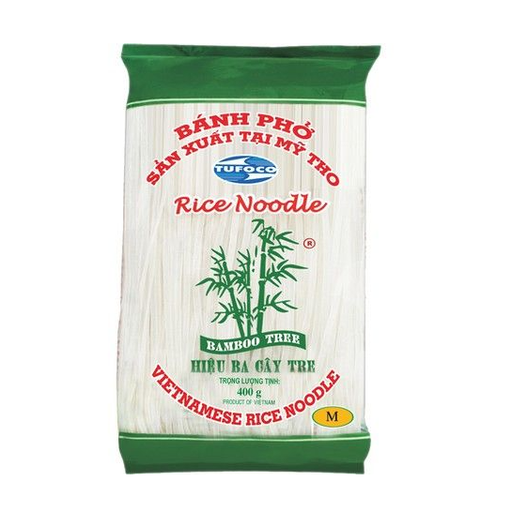
Why it suits this profile: The medium 3 mm size works well in soups, stir-fries and simple Asian meals. The 400 g pack is a manageable size for anyone keen to try out different recipes.
The thickness is clearly stated, so you will not accidentally choose extra-thin vermicelli for a hearty stir-fry.
72% Vietnamese rice according to the product information, 3 mm thickness and none of the 14 main EU allergens listed.
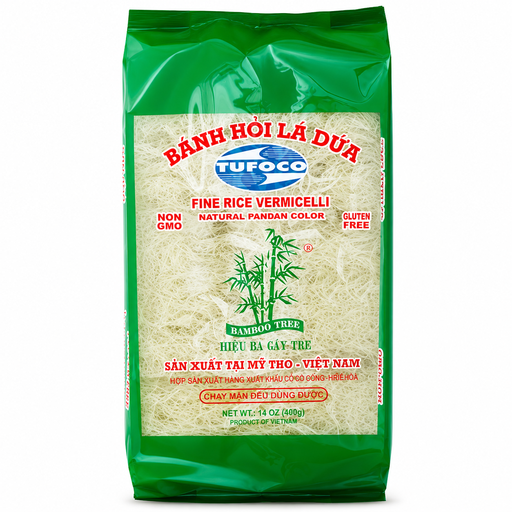
Why it suits this profile: The extra-fine texture is designed for Vietnamese dishes, light broths, salads and fresh spring rolls. The product information states that it contains 88% rice, with pandan used as a natural colouring.
The preparation instructions mention both soaking and briefly boiling the noodles. This helps prevent the fine strands from being heated for longer than necessary.
Extra-fine vermicelli, 340 g, Vietnamese origin according to the product information and an explicit gluten-free label. Always check the current label when purchasing.
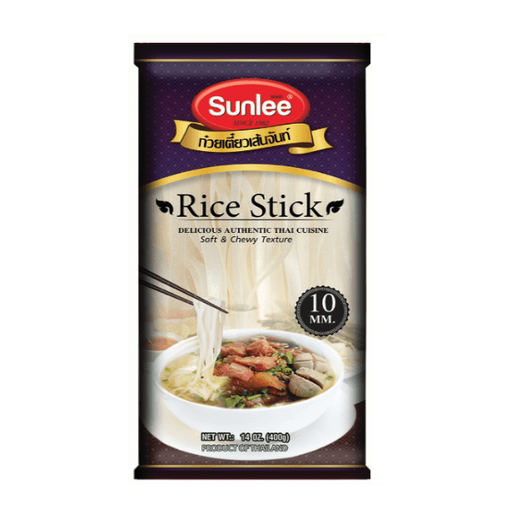
Why it suits this profile: At 10 mm wide, this is a clear choice for substantial rice sticks, pad thai, stir-fries, soups and cold salads.
The size is 10 mm and is clearly stated in the product name. This makes the choice less dependent on vague terms such as “extra firm”.
400 g pack, wide straight rice sticks and, according to the product description, suitable for pad thai, stir-fries, soup and salad.
We have put together a complete, up-to-date list of products that fully meet these strict selection criteria and the applicable European safety regulations.
Many rice noodles are made from rice and water, sometimes with tapioca added. However, the ingredients vary from product to product. Always check the allergen information and current packaging. If you have a medical gluten intolerance, an explicit gluten-free statement and checks for cross-contamination are important.
Unopened dried rice noodles will generally remain within their best-before date, provided they are stored somewhere dry and cool. After opening, seal the pack securely. Cooked noodles can be stored in the fridge, but their texture will usually become less firm. If in doubt, follow the manufacturer’s storage instructions.
Thin rice noodles or Vietnamese rice vermicelli are often used for pho. Wider rice sticks, typically around 5 to 10 mm, are more commonly used for pad thai. Do not look only at the name of the dish; also check the stated thickness and preparation method.
