
Vandaag of morgen in huis

Kwaliteit gegarandeerd

Welkomstaanbiedingen ontgrendelen: GRATIS bezorging | Tot 80% korting | Gratis 30 dagen JoyPlus-proefperiode
Download de app
The online rice aisle can be overwhelming. Jasmine, sushi, buckwheat—the selection is vast. The right type of rice can make or break a dish, whether you're preparing an authentic curry, a perfect poke bowl, or a nutritious salad. This guide is designed to help you make an informed choice, so you can buy the perfect rice for your next meal. We'll highlight some popular choices and provide practical tips for selecting the right grain.
Before you make a choice, there are a few practical things to consider. By paying attention to the following points, you'll find what you're looking for more quickly.
Rice is often classified by its grain size, which directly affects the texture after cooking.
Think about the dish you want to create. An aromatic Thai rice pairs perfectly with a green curry but is less suitable for sushi. For an authentic Japanese meal, you need a specific sushi rice that sticks well and absorbs the flavors of sushi vinegar. Are you looking for a nutritious and gluten-free rice alternative? Then buckwheat is an excellent option for salads, bowls, or as a substitute in a pilaf.
More and more people are looking for specific options that fit their lifestyle. Look for labels like organic rice if you prefer products grown without synthetic pesticides. Many rice varieties are naturally gluten-free, but products like buckwheat are a popular alternative for those who want to avoid grains entirely while still having a nutritious base for their meal.
Based on product specifications and applications, we have selected a range of rice types suitable for various cuisines and preferences.
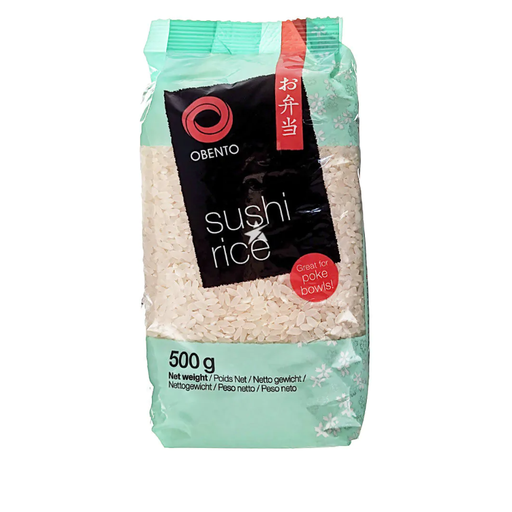
Why It Stands Out This rice from Obento is specifically selected for Japanese cuisine. It consists of 100% short-grain rice, which provides the ideal stickiness after cooking. The grains are soft and elastic, making them easy to shape and excellent at absorbing flavors like sushi vinegar.
Pros
Who It's For For the home cook who wants to make authentic sushi, onigiri (rice balls), or a solid base for poke bowl rice.
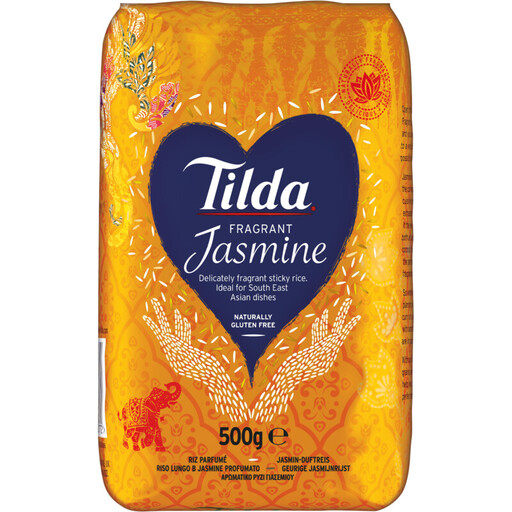
Why It Stands Out Tilda's jasmine rice is known for its distinctive aroma, reminiscent of pandan. This Thai rice has a slightly shorter, stickier grain compared to basmati, making it a versatile choice for various Asian dishes. According to the manufacturer, the product is gluten-free and free from artificial additives.
Pros
Who It's For Ideal for fans of Thai and Southeast Asian cuisine who are looking for a fragrant, slightly sticky rice as the perfect complement to their curries and stir-fries.
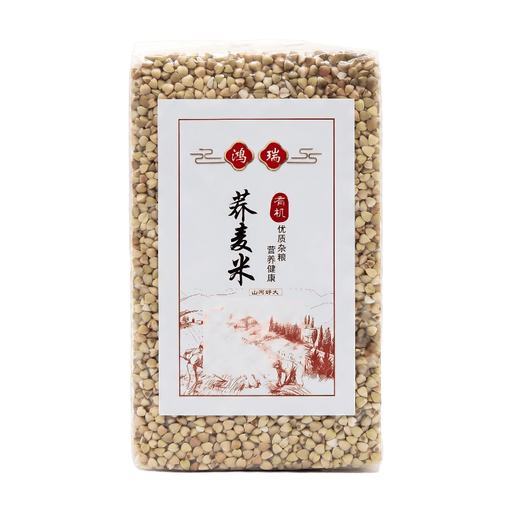
Why It Stands Out Although the name might suggest otherwise, buckwheat is a seed, not a rice. It's an excellent alternative. This product from Hong Rui consists of a premium organic rice alternative in the form of buckwheat groats. It is naturally gluten-free and a source of plant-based protein and dietary fiber.
Pros
Who It's For For anyone looking for a gluten-free rice substitute, or simply wanting to add a more nutritious alternative to their diet. Perfect for hearty salads, bowls, or as a base for a stew.
If this isn't exactly what you're looking for, or if you just want to browse further, there are many more types of rice and grains to suit different dishes and tastes.
View our full range of 500g Rice
The main difference lies in the grain and the starch content. Sushi rice is a short-grain rice with a high level of amylopectin, a type of starch that makes the rice sticky after cooking. This is essential for helping sushi rolls hold their shape. Regular long-grain rice, like basmati, contains less amylopectin and therefore remains loose and fluffy.
Buckwheat is often considered a nutritious choice. It is naturally gluten-free and, compared to white rice, generally richer in dietary fiber and minerals like magnesium and manganese. It also contains a good amount of plant-based protein. This makes buckwheat a popular alternative for people looking for a nutritious and gluten-free rice substitute.
