
Livraison le jour même et le lendemain

Qualité garantie

Débloquez vos offres de bienvenue: Livraison GRATUITE | Jusqu'à -80 % | 30 jours d'essai gratuits à JoyPlus
Téléchargez l'application
Anyone looking to buy rice and grains will quickly encounter dozens of packages featuring terms such as “premium”, “healthy”, “authentic” and “high in fibre”. These claims do not always provide enough information about the contents, cooking method or price per serving. By checking a few key points, you can avoid choosing a product that does not suit your kitchen, pantry or eating habits.
This buying guide helps consumers, families, Asian-cuisine enthusiasts and hospitality buyers compare products including jasmine rice, Thai rice, basmati rice, sushi rice, multigrain rice, brown rice, oatmeal, rolled oats, quinoa and bulgur.
“Premium”, “AAA” or “authentic” may simply form part of a brand or product name. Always check the specific details:
For example, Green Dragon Fragrant Thai Jasmine Rice is described as fragrant Thai jasmine rice. The product packaging remains the authoritative source for current nutritional information and the best-before date.
A large bag of rice may appear economical, but the value depends on your consumption and storage capacity. A 10 kg or 20 kg bag is practical for a restaurant, caterer or large household that prepares rice regularly. For a smaller household, a 1 kg or 2 kg pack may be more convenient, as you will use it up sooner and need less storage space.
Always compare:
A mixed-grain pack may contain rice, oats, barley, legumes and seeds. This makes the product versatile, but it also affects allergens and preparation. According to the product information, Sunlee Healthy Mixed Rice contains white rice, brown rice, black rice, red rice, millet and barley, among other ingredients. Barley contains gluten.
When choosing healthy breakfast cereals, multigrain rice or rolled oats, pay attention to:
A product with less added sugar is not automatically suitable for every dietary requirement. Review the full nutrition table on the packaging.
The grain has a major influence on the cooking result.
Choose based not only on the name, but also on the dishes you usually prepare.
For everyday family use, a 4.5 kg bag can offer a practical middle ground. Royal Thai Jasmine Rice is available in a 4.5 kg pack and is described in the product information as suitable for everyday rice dishes, fried rice and rice bowls.
A smaller pack, such as the 1 kg Royal Thai Perfume Jasmine Longgrain Rice, is a better fit if you want to try a rice variety first or alternate between Asian and European dishes. For professional use, the 20 kg ML Premium Super White Long Grain Rice is aimed at large households, catering operations and restaurants. The listed specification is 100% white long-grain rice.
Check the current label with every order. Website product information may change, while the packaging may contain additional details.
Examples from the range include:
Anyone who needs to avoid gluten or other allergens should reread the packaging and warnings before use.
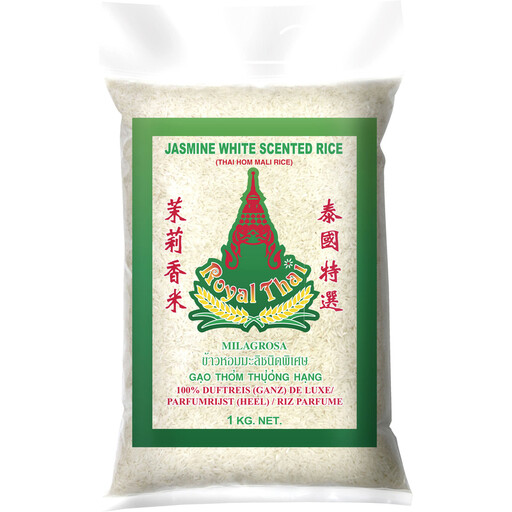
Why it’s a good fit: A manageable pack for smaller households, varied menus or anyone who wants to try Thai rice first.
The smaller quantity reduces the risk of overstocking a rice variety you have not tried before.
1 kg, sourced from Thailand, long-grain rice with nutritional values listed per 100 grams.
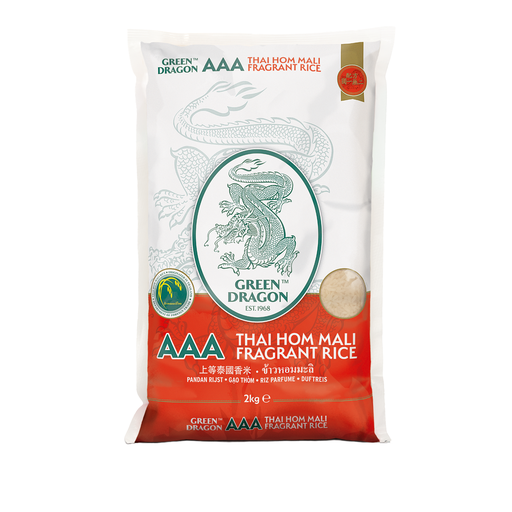
Why it’s a good fit: Designed for families and home cooks who regularly prepare curries, stir-fries or other Asian dishes.
The rice variety and composition are clearly stated: 100% Thai Hom Mali fragrant rice.
2 kg pack, suitable for everyday use; the product information states that it contains none of the 14 major EU allergens.
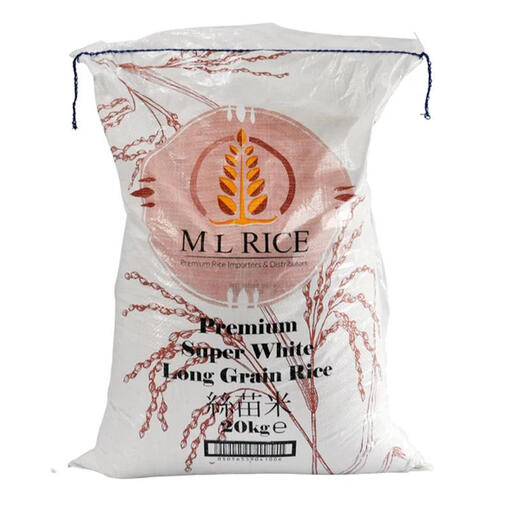
Why it’s a good fit: Intended for restaurants, caterers, large families and other users with a high level of consumption.
The large bag only makes sense if you have enough dry, cool and securely sealable storage space.
20 kg, 100% white long-grain rice and, according to the product information, suitable for catering and restaurants.
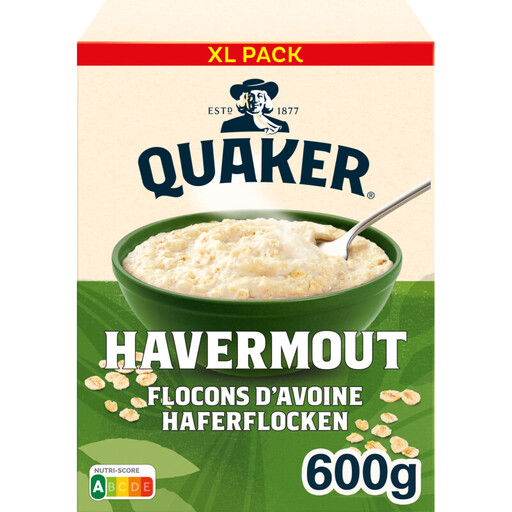
Why it’s a good fit: A practical breakfast option for oatmeal lovers who want simple preparation and enough portions for several mornings.
The ingredients list states 100% wholegrain oats; however, check the warning about possible traces of wheat and barley.
600 g, 100% wholegrain oats and, according to the label, no added sugars.
Browse a current selection of products for different dietary preferences, pack sizes and uses.
Store rice, quinoa, bulgur, oatmeal and rolled oats in a cool, dry cupboard, away from moisture, heat and direct sunlight. Seal the packaging securely after opening. With a large bag of rice, it can be convenient to transfer part of the contents to an airtight storage container while keeping the remainder somewhere dry.
Follow the instructions on the label when preparing the product. Sushi rice generally needs to be rinsed and rested after cooking. Multigrain rice may require soaking. Quinoa and bulgur often have shorter cooking times, but the grain-to-water ratio varies by product.
Jasmine rice and other Thai rice varieties are a natural choice when you want soft, aromatic rice. If you prefer distinct, long grains, basmati rice or standard long-grain rice are also worth considering. Check the cooking instructions and the texture you want to achieve.
Not necessarily. A 10 kg or 20 kg bag can reduce the price per kilogram, but only if you use the rice in good time and can store it properly. For occasional use, a 1 kg or 2 kg pack is often easier to manage. Compare both the price per kilogram and your actual consumption.
Rolled oats, mixed breakfast cereals and quinoa cereals offer different textures and preparation times. According to the product information, SEAMILD Tri-Colour Quinoa Mixed Grain Cereal can be prepared hot or soaked overnight in milk or yoghurt. With mixed products, always check the allergens, including gluten and sesame.
