
Vandaag of morgen in huis

Kwaliteit gegarandeerd

Welkomstaanbiedingen ontgrendelen: GRATIS bezorging | Tot 80% korting | Gratis 30 dagen JoyPlus-proefperiode
Download de app
Buying red wine seems simple enough – until you’re faced with choosing between grape varieties, countries of origin, alcohol percentages and different bottle sizes. A striking label or a well-known region doesn’t automatically mean the wine will suit your dinner. So if you’re planning to order red wine online, it’s worth looking at the verifiable product information first.
In this guide, you’ll discover which pitfalls often lead to a disappointing purchase, which specifications you should compare, and which bottles work best for different occasions.
Spanish red wine, Italian red wine and Australian red wine each have their own styles, but within a single country the taste can vary enormously. A Spanish Tempranillo from La Mancha tastes very different to a powerful Italian Primitivo from Puglia. So don’t just look at the country – also check:
Marketing terms like rich, intense and full-bodied are useful as a first indication, but they don’t give you the full picture. A wine with dark fruit notes can still be soft on the palate. So check whether the description also says something about tannins, acidity, fruitiness or finish.
Merlot is often described as smooth and fruity. Shiraz and Primitivo generally have a bolder profile. Pinot Noir is usually chosen by people looking for a lighter, fruity red wine. These are general style characteristics; the exact taste depends on the producer, region and winemaking method.
A 750 ml bottle is standard, but not always practical. A 200 ml bottle can be ideal for one person or a small dinner. Port wine, moreover, often has a higher alcohol percentage than regular red wine. The range includes, for example, Offley Port Reserve at 20% alcohol and Offley Ruby Port at 19.5% alcohol.
Before you check out, make sure you check:
The grape is a practical starting point when comparing wines:
Alcohol-free red wine is not the same as regular wine with a low alcohol percentage. Pierre Zéro Merlot Red states 0.0% vol alcohol and contains de-alcoholised Merlot wine. The bottle is 200 ml and the product information suggests barbecues, grilled meat, grilled vegetables and cheese as pairings.
With port wine, the alcohol percentage is higher because the wine is fortified. Offley Port Reserve is a red reserve port in a 500 ml bottle and, according to the product description, goes well with cheese and chocolate desserts. Offley Ruby Port and Sabrina Ruby Red Port are sweet, fruity options with a volume of 750 ml.
Pay attention to the country and region details when origin is important. Serre Dei Roveri Barolo D.O.C.G. comes from Italy and states 14% alcohol. The product information mentions Barolo as the region of origin, but doesn’t give extensive tasting notes. In that case, base your choice primarily on the official product data rather than general expectations about Barolo.
Many wines in this overview mention sulphites. Always check the label for the current ingredients list. Store an opened or unopened bottle in a cool place, out of direct sunlight and away from large temperature fluctuations. The shelf life and storage period are stated on the packaging.
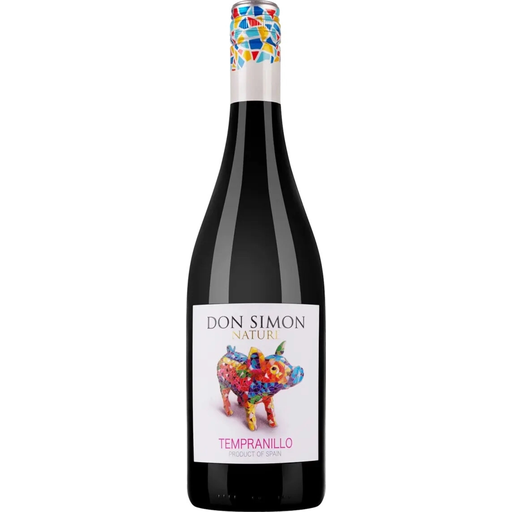
Why this fits the profile: The smooth, fruity style and 750 ml format make this Spanish red wine ideal for everyday drinking, pizza, pasta and burgers.
The grape variety, origin and recommended dishes are clearly stated, so you don’t have to rely on the label alone.
750 ml, Tempranillo, Spain and a smooth fruity profile; contains sulphites according to the product information.
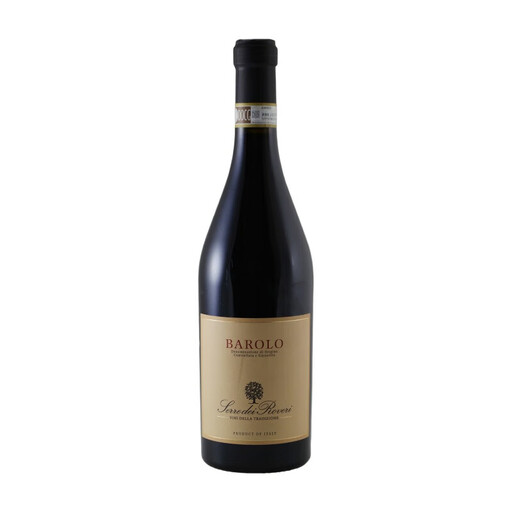
Why this fits the profile: This Italian wine carries an official D.O.C.G. designation and is aimed at dinners where origin and wine style are especially important.
The choice is based on the stated origin, classification, volume and alcohol percentage of 14%, not on a general quality claim.
750 ml, Barolo D.O.C.G., from Italy and with clear storage and allergen information.
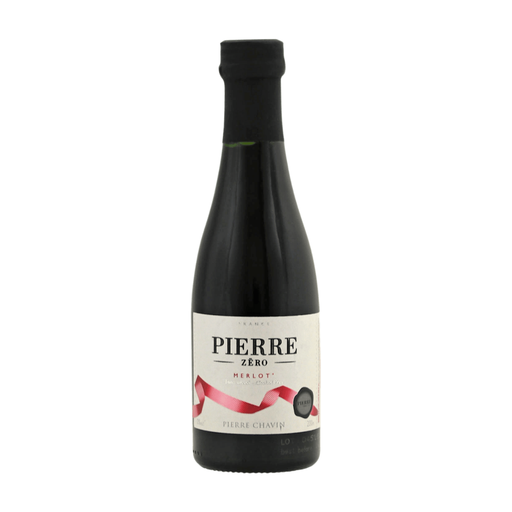
Why this fits the profile: The small bottle and stated alcohol percentage of 0.0% vol make it suitable for a dinner, barbecue or gathering where you don’t want to serve alcoholic wine.
The alcohol percentage, volume, Merlot base and ingredients are all listed separately. Do always check the label for sulphites before purchasing.
0.0% vol alcohol, 200 ml and a fruity, fresh profile; the product information mentions halal certification and sulphites.
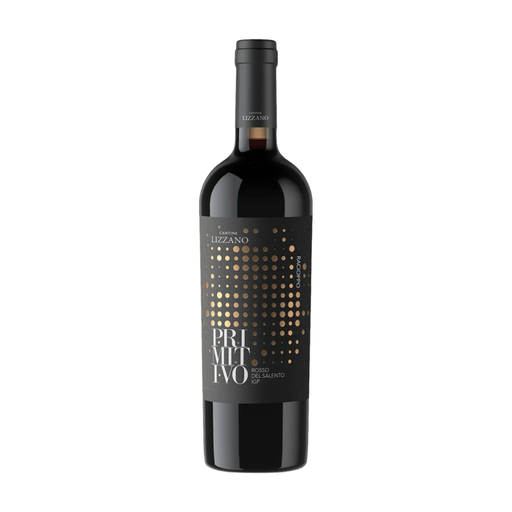
Why this fits the profile: The description mentions a bold, full-bodied style with dark fruit. That pairs well with grilled meat, pasta Bolognese and aged cheeses.
The grape variety, region, flavour direction and dishes are all clearly indicated, so you can match the wine to a hearty meal.
Primitivo from Puglia, 750 ml, bold and full-bodied according to the product description; contains sulphites.
We’ve put together a full, up-to-date list of products that fully meet these strict selection criteria and comply with current European safety regulations.
According to the product information, Primitivo, Shiraz and bold blends go well with grilled meat. For a cheese board, you could also look at port wine, such as Offley Ruby Port or Sabrina Ruby Red Port. Check the taste description and alcohol percentage before you order.
Not every alcohol-free wine automatically has exactly 0.0% vol. Pierre Zéro Merlot Red states 0.0% vol alcohol. With other products, always check the bottle and product page, especially if this is an important requirement for you.
Store the bottle tightly sealed, in a cool place and out of direct sunlight. Avoid large temperature fluctuations. The exact shelf life information and instructions are on the packaging. For port wine and sweet red wine, the producer’s instructions also apply. Remember the legal minimum age of 18 for alcoholic products and drink responsibly.
