
Vandaag of morgen in huis

Kwaliteit gegarandeerd

Welkomstaanbiedingen ontgrendelen: GRATIS bezorging | Tot 80% korting | Gratis 30 dagen JoyPlus-proefperiode
Download de app
The online selection of red wine can be overwhelming. Hundreds of bottles with beautiful labels and eloquent descriptions are all vying for your attention. But how can you be sure you're making a good choice? Many people fall for clever marketing or stick to what they know, often causing them to overpay or miss out on interesting wines.
Before you place a bottle in your digital shopping cart, it's helpful to recognise a few common pitfalls. This will help you avoid disappointment and more confidently buy a red wine that truly suits your taste.
Rioja or an Italian red wine from a well-known house. While these can be safe choices, lesser-known regions or grape varieties often offer better value for money.full-bodied red wine and smooth red wine are often used, but what do they really mean? Without understanding this distinction, you're likely to choose a wine that doesn't match your personal preference or the dish you plan to prepare.To avoid a bad purchase, it's wise to base your choice on a few objective characteristics rather than the packaging. These two factors will help you filter the selection and find a wine that meets your needs.
The most important factor is the character of the wine. This is largely determined by the grape variety and the winemaking process.
full-bodied red wine pairs well with hearty dishes. Grapes like Cabernet Sauvignon, Syrah, and Primitivo are known for their full-bodied character.The region a wine comes from says a lot about its style. The climate and soil have a direct impact on the grape's flavour.
Rioja region. A Rioja Crianza, for example, has undergone mandatory oak and bottle ageing, which gives the wine complexity and structure.Primitivo from the southern region of Puglia, for instance, is often jammy, soft, and full of dark fruit, making it a popular choice for lovers of a powerful yet round wine.Based on these criteria, we have selected a few wines that suit different preferences and occasions.
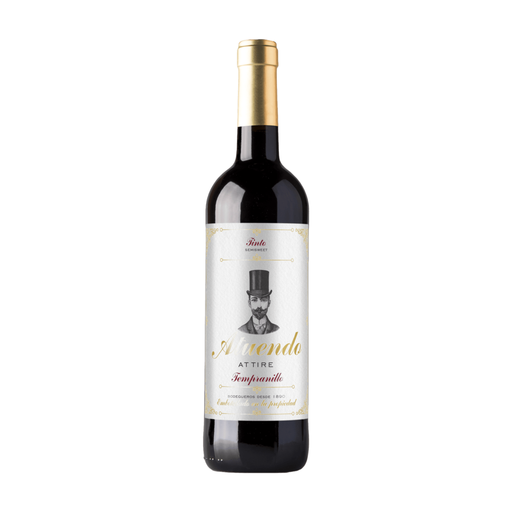
Why This Fits Their Persona: Ideal for those seeking a reliable and approachable wine for drinks, pizza, or a simple pasta dish. No fuss, just a good, smooth red wine.
You're not choosing blindly based on a label, but on a reliable flavour profile. This 100% Tempranillo delivers the soft, fruity style you'd expect from the grape.
Soft and round with aromas of ripe red fruit. A very versatile Spanish red wine that suits many occasions.
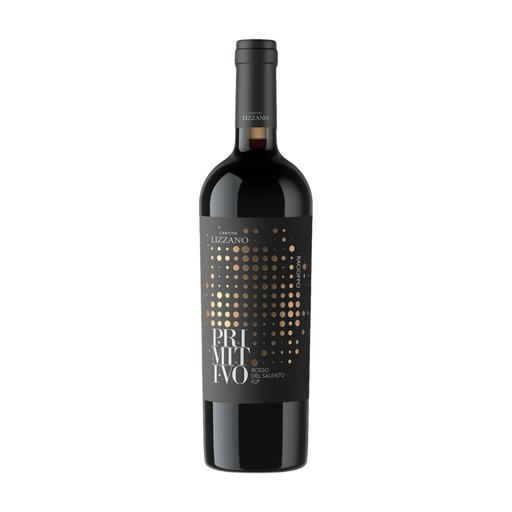
Why This Fits Their Persona: Perfect for those who love a powerful, full-bodied red wine with grilled meats, a hearty stew, or a board of aged cheeses. A wine with body and character.
Instead of opting for an expensive, big-name bottle, you're selecting a Primitivo from Puglia. This region is known for its excellent value for full-bodied, jammy wines.
A full-bodied Italian red wine with rich notes of blackberry, dried figs, and a long, powerful finish. Round yet robust.
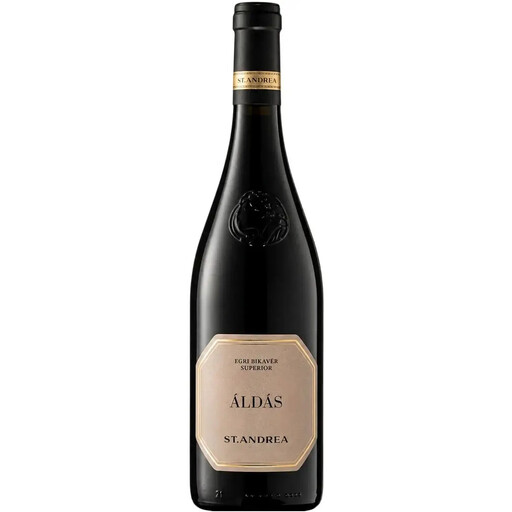
Why This Fits Their Persona: For those who want something different from the standard Spanish or Italian wine. This Hungarian 'Bull's Blood' is a modern, complex wine that tells a unique story.
You deliberately step away from familiar regions to discover an Egri Bikavér. This is a blend of grapes that offers a layered and exciting flavour experience, far from the beaten path.
A vibrant wine with intense aromas of red fruit (sour cherries, raspberries) and spices. The wine showcases the minerality of the Eger terroir and has a surprisingly long finish.
Whether you're looking for a `smooth red wine` for everyday enjoyment, a powerful `port` for after dinner, or a special bottle to give as a gift, there's always a perfect choice. Explore our full range to find the wine that meets your needs.
An opened bottle of red wine can generally be kept for 3 to 5 days. Seal the bottle tightly with the original cork or a wine stopper and store it in a cool, dark place (the refrigerator is fine). Full-bodied red wines often last slightly longer than lighter, smoother varieties.
Crianza is a Spanish term indicating that the wine has undergone a specific ageing period. For a Spanish red wine from the Rioja region, this means the wine has aged for a minimum of two years, with at least one year in oak barrels. This process gives the wine more complexity, structure, and aromas of vanilla, spice, and leather. It is therefore an indicator of a certain style and quality.
The idea of "room temperature" dates back to a time before central heating, when rooms were around 16-18°C (60-64°F). Today, our living rooms are often warmer (20-21°C / 68-70°F), which is actually too warm for most red wines. A wine that is too warm can taste flabby and alcoholic.
