
Livraison le jour même et le lendemain

Qualité garantie

Débloquez vos offres de bienvenue: Livraison GRATUITE | Jusqu'à -80 % | 30 jours d'essai gratuits à JoyPlus
Téléchargez l'application
If you’re looking to buy red rice, you’ll quickly come across terms like red cargo rice, Thai red rice and red brown rice used interchangeably. Yet the grain, cooking time, packaging and texture vary from product to product. A nice colour on the packet doesn’t tell you much about how the rice will perform in a curry, salad or meal prep.
With this practical selection guide, you can compare red rice on verifiable points and avoid a disappointing purchase.
Not every red product on the shelf is red rice. Red yeast rice, for example, is a fermented rice product sold as a dietary supplement. That’s quite different from wholegrain red rice intended for cooking. Always check that the ingredients list contains only rice and that the product is meant to be cooked.
Terms like red brown rice and red cargo rice can point to similar products, but the origin and cooking instructions may differ. Don’t just look at the name – check the ingredients, country of origin and preparation method too.
Red rice generally retains part of its outer husk. As a result, the grain often needs more time and water than white jasmine rice. If you only glance at a generic cooking time, you could end up with a hard or unevenly cooked grain.
The recommended preparation varies by packet. Aroy-D, for example, advises in its product description to soak the rice for 30 minutes if desired, then cook for 35 to 45 minutes. Sunlee states around 20 to 30 minutes. So use the instructions on your packet as your guide.
Words like “premium”, “super quality” or “healthy” are no substitute for concrete information. Instead, check:
According to the product descriptions of various brands, red rice is often offered as vegan and gluten-free. For allergies, always check the current packaging and product information, as recipes or production sites may change.
Red cargo rice often has a reddish-brown colour and a firm, slightly chewy bite. This makes it suitable for dishes with a robust sauce, such as curries and stir-fries. For a soft, fluffy rice meal, a different type of rice might be more practical.
A product like ROYAL TIGER Premium Red Rice 1kg is described in the product information as a red rice with a robust flavour and characteristic texture. The preparation involves rinsing, cooking with roughly two parts water and simmering gently for 25 to 30 minutes.
Pay attention to the ratio rather than just the number of minutes. For several varieties, the guideline is around one part rice to two parts water. Aroy-D mentions roughly 2 to 2.5 parts water per cup of rice. The final amount depends on soaking, the pan, the lid and the desired softness.
Rinse the rice beforehand to remove loose starch and dust particles. Then let the cooked rice rest for a few minutes with the lid on the pan. This allows the moisture to distribute more evenly through the grains.
A packet of red rice 1 kg is suitable for households that eat rice regularly, as well as for meal preppers. A smaller packet reduces waste if you want to try the variety first. After opening, check that the bag is resealable. Store red rice in a cool, dry place away from direct sunlight; an airtight container helps protect against moisture and pantry pests.
For organic red rice, look for an official certification mark and the information on the label. The term “organic” should be verifiable and not used merely as a marketing phrase.
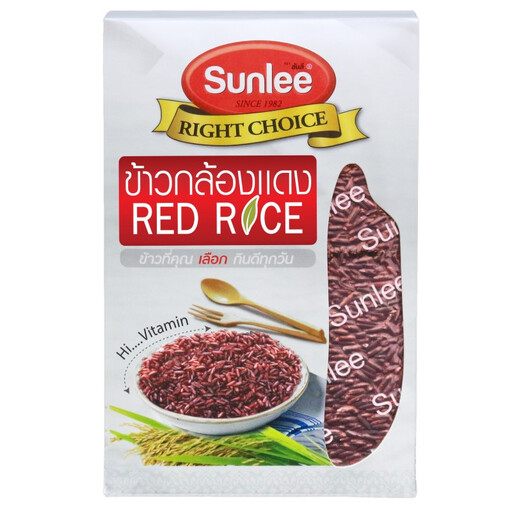
Why this fits the profile: The 1 kg packet is straightforward for anyone trying red rice for the first time or regularly cooking portions for one household.
The product information states a specific water ratio of roughly 1 to 2 and a cooking time of 20 to 30 minutes.
1 kg content, Thai origin according to the product information, vegan and suitable for salads, side dishes and rice bowls.
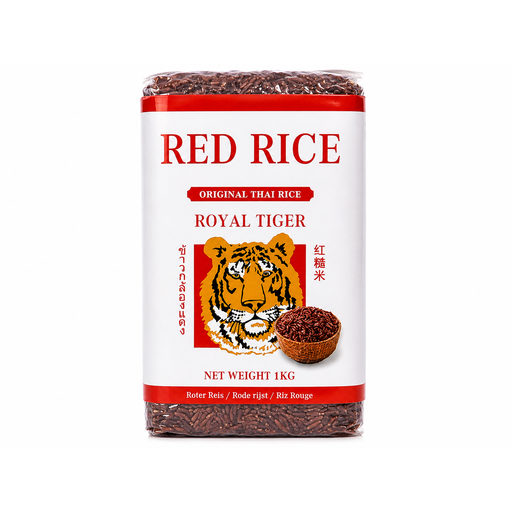
Why this fits the profile: This variety is aimed at those who enjoy a distinct bite and a pronounced rice flavour in curries and stir-fries.
The packaging lists preparation steps, resting time and food safety advice rather than just a general cooking claim.
1 kg content, red rice from Thailand according to the product information and a stated cooking ratio of 1 to 2.
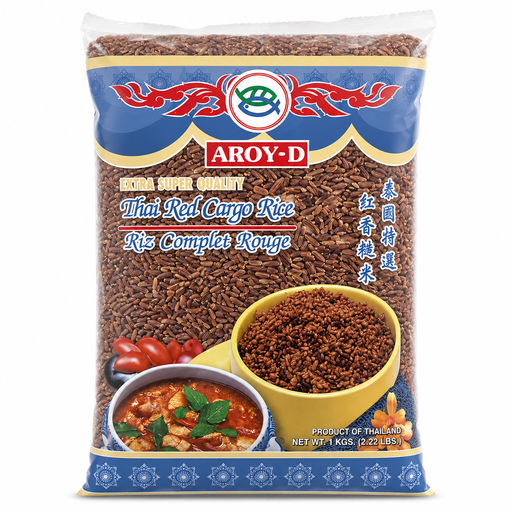
Why this fits the profile: The described firm texture and longer preparation suit home cooks, vegans and meal preppers who use rice as a base for multiple meals.
The product description gives clear instructions on rinsing, optional soaking, cooking for 35 to 45 minutes and resting.
100% Thai red cargo rice according to the product information, vegan and suitable for curries, salads, stir-fries and bowls.
We’ve put together a full, up-to-date list of products that fully meet these strict selection criteria and comply with current European safety regulations.
Use this general method as a starting point:
Cool cooked rice quickly if you plan to eat it later. Store it covered in the fridge and reheat it thoroughly. Do not leave cooked rice at room temperature for long periods.
Not always. Red rice refers to the colour and type of grain. Red brown rice emphasises that the outer layers of the grain are retained. Check the ingredients list and the description on the packet to be sure.
It varies by type. Expect roughly 20 to 45 minutes, depending on soaking, water ratio and desired softness. Always follow the instructions of the brand you choose.
Yes, the firm bite works well with red rice for salads and curries, stir-fries and vegan rice bowls. For a softer result, you can soak the rice beforehand or let it rest a little longer after cooking.
