
Vandaag of morgen in huis

Kwaliteit gegarandeerd

Welkomstaanbiedingen ontgrendelen: GRATIS bezorging | Tot 80% korting | Gratis 30 dagen JoyPlus-proefperiode
Download de app
At first glance, choosing red beans might seem straightforward. Yet there are clear differences between red kidney beans, adzuki beans, dried beans, tinned red beans and sweet red bean paste. If you only look at the colour or an attractive packet, you could end up buying a product that doesn't suit the dish you have in mind.
The main pitfalls to watch out for are:
Kidney beans are relatively large and have a firm texture once cooked. They work well in red beans for chilli, wraps, salads, curries and stews. If you want to cook quickly, tinned or jarred red beans are a practical choice. Simply drain them and use as directed on the label.
When buying tinned kidney beans, look out for:
Do not use a dented, leaking or bulging tin. If you prefer to reduce the flavour of the liquid, you can rinse the beans from the tin.
Adzuki beans are smaller than kidney beans and are often used in Asian recipes. They are suitable for porridge, soup and red beans for desserts. Once cooked, they can be turned into sweet red bean paste for mochi, buns, pancakes or ice cream.
If you buy dried adzuki beans, check that the packaging clearly states they are adzuki beans. Products such as Cock Brand Red Bean, Huaseed Northeast Red Bean and EAGLOBE Red Beans are described in the product information as adzuki beans. The preparation method varies from product to product, so follow the label.
For a quick treat, mochi, dorayaki and sesame balls are a different category from loose beans. These products often contain sugar, rice flour, wheat, soya or sesame. They are intended as a snack or dessert and are not a substitute for dried red beans.
In particular, check:
Don't just look at "red bean" on the front. Check the ingredients list. Does it say red kidney beans or adzuki beans? That determines the texture, cooking time and use.
For chilli or salad, kidney beans are usually the obvious choice. For an Asian dessert or bean paste, adzuki is a better fit. A product labelled "red bean paste" is already processed and sweetened; you don't need to cook it in the same way as dried red beans.
Dried red beans are handy when you want to control the softness and seasoning yourself. They do require preparation time. Wash them, follow the soaking instructions and cook them thoroughly according to the label. Some red beans naturally contain lectins. Raw or undercooked beans can cause digestive discomfort, so don't taste them before they are fully cooked.
Tinned red beans are ideal for a weekday meal. HAK Kidney Beans, for example, come in a 380 g pack and list beans, water, salt, ascorbic acid and calcium chloride among the ingredients. According to the product information, the nutritional values per 100 g are 105 kcal, 9 g protein and 6.6 g fibre.
A short ingredients list makes comparison easier. For a product that contains only beans, you might see "adzuki beans 100%" or "red kidney beans 100%". Ready-made fillings often list sugar and water.
Also check the allergen information. According to the product information provided, loose beans from several items do not contain any of the 14 major EU allergens. That doesn't mean every product is made in the same factory. Snacks may list sesame, wheat, egg, soya or possible traces of nuts.
For organic kidney beans, look for the EU organic logo and the control information on the packaging. The term "organic" should be verifiable; don't rely solely on a green packet.
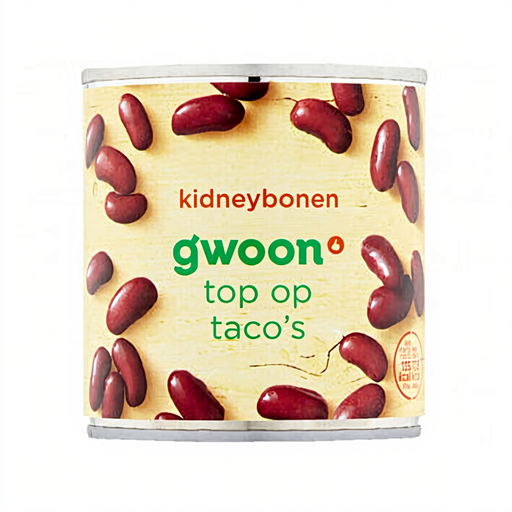
Why this fits the profile: The 200 g pack is a manageable size for a first purchase or a meal for a smaller household. The ingredients list shows kidney beans and water.
The product information clearly states the type of bean and the net weight, so you don't accidentally pick a sweet bean paste or snack.
200 g; suitable for salads, wraps and stews; none of the 14 major EU allergens listed.
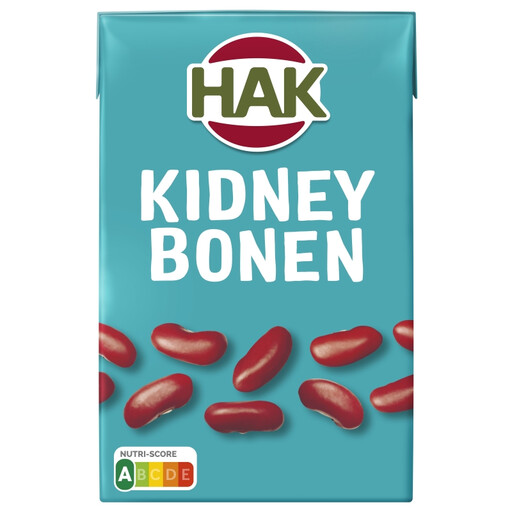
Why this fits the profile: This option is designed for those who value a firm texture and quick preparation for chilli, wraps, curries and salads.
The product description lists the ingredients, nutritional values and storage instructions, so you can assess the salt content and portion size in advance.
380 g; 9 g protein and 6.6 g fibre per 100 g according to the product information; suitable for quick savoury dishes.
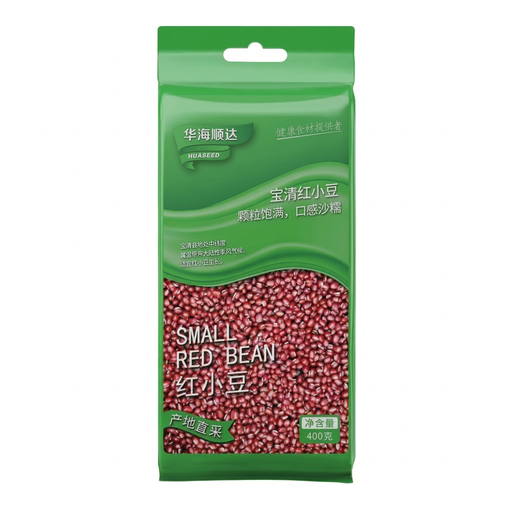
Why this fits the profile: These dried adzuki beans are ideal for home cooks who want to make porridge, soup or traditional red bean desserts from scratch.
The ingredients list states adzuki beans 100%. So you're not buying a pre-sweetened filling that is less suitable for savoury preparations.
400 g; 100% adzuki beans; suitable for cooking, porridge, soup and homemade bean paste.
We've put together a full, up-to-date list of products that fully meet these strict selection criteria and comply with current European safety regulations.
No. Red kidney beans are larger and are often used in chilli, salads and stews. Adzuki beans are smaller and are common in Asian porridge, soup and desserts. Check the botanical or product name on the label.
Always follow the instructions on the packaging. Many dried beans are soaked before cooking. Wash them first and cook them until they are fully done. Raw or undercooked beans are not suitable for eating.
Store unopened dry beans in a cool, dry place away from direct sunlight. Transfer an opened tin or jar to a sealed container and keep it in the fridge as directed on the label. Use the remaining product within the stated time. This helps avoid waste and keeps the quality at its best.
