
Vandaag of morgen in huis

Kwaliteit gegarandeerd

Welkomstaanbiedingen ontgrendelen: GRATIS bezorging | Tot 80% korting | Gratis 30 dagen JoyPlus-proefperiode
Download de app
You're standing in the aisle, online or in-store, and a wall of colourful packaging stares back at you. One promises 'volcanic heat', another an 'authentic flavour'. But how do you know what you're really getting when you decide to buy ramen? Before you buy another pack of noodles that's too spicy, too bland, or simply not what you expected, let's break down the most common pitfalls.
As a Joybuy Product Recommendation Officer, I see which products are popular and what challenges shoppers face every day. These are the three missteps you can easily avoid:
To sidestep these pitfalls, you just need to pay attention to a few concrete details. This will help you make an informed choice and get exactly what you're craving.
This is the most important check to avoid disappointment. The preparation method defines the entire eating experience.
Tip: Always check the instructions on the packaging. Look for phrases like "drain water" to identify the type.
Don't be swayed by vague claims. Dive into the details to understand the flavour profile and heat level.
Want a quick snack or need to stock up? The packaging determines convenience and value.
Based on these criteria, we've selected a few popular choices that suit different preferences.
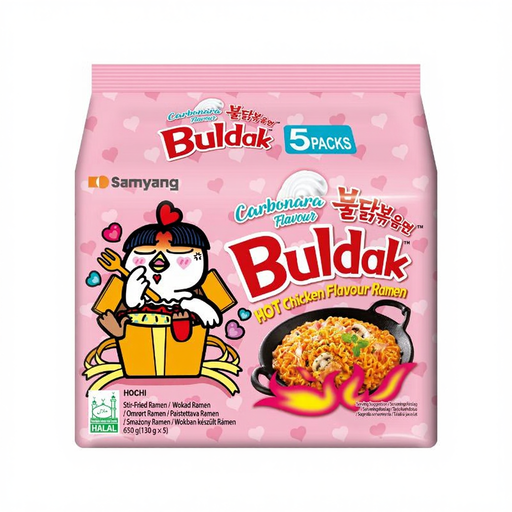
Why This Fits Their Persona: Perfect for those who dare to take on the 'spicy noodle challenge', but with a twist. The creamy carbonara cheese flavour balances the intense heat, making it a popular choice for lovers of extremely spicy food with a complex taste.
The 'Buldak' (fire chicken) branding is a clear indicator of the heat. This is a stir-fry noodle, and the creamy flavour is specifically mentioned, so there are no surprises.
A combination of intense spice and a creamy, savoury cheese flavour. Thick, firm noodles that are perfect for stir-frying.
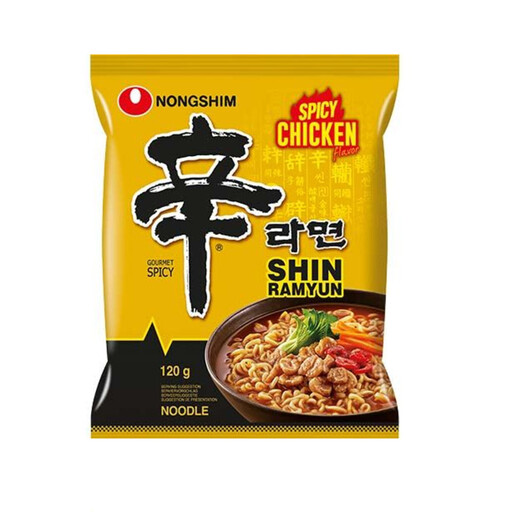
Why This Fits Their Persona: For those looking for a comforting, classic bowl of noodle soup. Shin Ramyun is a global icon with a rich, savoury broth and a pleasant heat that doesn't overwhelm.
This is a pure noodle soup, exactly as expected. The spice level is consistent and considered by many to be the 'gold standard' for Korean ramen.
Deep, umami-rich broth with a satisfying heat. Firm, springy noodles that hold their texture well in the soup.
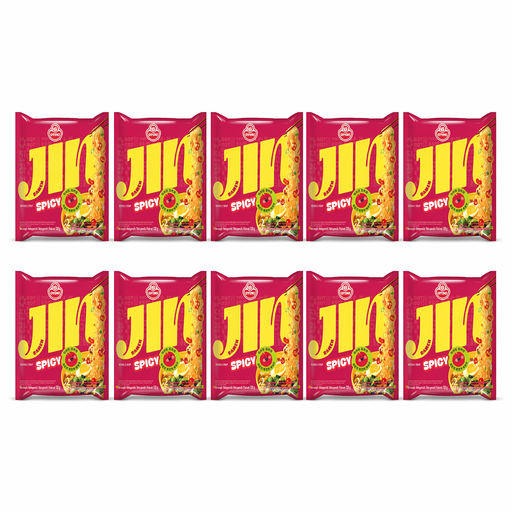
Why This Fits Their Persona: Ideal for students or anyone looking to stock up. This multipack of noodles offers excellent value for money for a reliable and flavourful Korean classic.
You're buying a familiar, mild-to-medium spicy flavour in bulk. No risk of a bad purchase that leaves you with nine packs you don't want. It's a classic noodle soup.
Excellent price per serving. A versatile, savoury flavour that provides a perfect base for adding your own toppings.
Didn't find what you were looking for? Our full selection is carefully curated based on the criteria in this guide. Find the perfect match for your taste when you decide to **order Asian noodles**.
The easiest way to elevate your instant noodles is with toppings. Think of a soft-boiled egg, spring onions, a slice of cheese (which melts beautifully in the hot soup), some leftover chicken, or vegetables like bean sprouts and spinach. A dash of sesame oil or soy sauce can also deepen the flavour.
Although the terms are often used interchangeably, there is a difference. Japanese ramen usually refers to a restaurant dish with fresh noodles and a slow-simmered, complex broth (like tonkotsu or miso). Korean ramyun (or ramyeon) is the Korean term for instant noodles. These are known for their signature spicy flavours and springy, quick-cooking noodles.
If you have a favourite flavour and eat it regularly, absolutely. Buying a multipack of noodles is almost always cheaper per serving than individual packs. It's a smart way to stock your pantry and save money, especially if you often buy instant noodles online. Just be sure to check the expiration date if you're buying a large box.
