
Vandaag of morgen in huis

Kwaliteit gegarandeerd

Welkomstaanbiedingen ontgrendelen: GRATIS bezorging | Tot 80% korting | Gratis 30 dagen JoyPlus-proefperiode
Download de app
If you want to buy pumpkin seeds for on-the-go, with your tea or as a topping, the difference between products is often bigger than the packaging suggests. One bag contains only roasted seeds, while another “pumpkin snack” is mostly wheat flour, oil and starch.
So don’t just look at words like “crunchy”, “premium” or “natural”. Check the ingredients, the salt content, the portion size and how you plan to use the snack. That way, you’ll avoid buying a product that doesn’t match your expectations.
The name “pumpkin snack” can refer to different products. Roasted pumpkin seeds are mainly whole seeds. With spicy pumpkin chips or puffed pumpkin crisps, pumpkin powder may only be a small part of the ingredients.
For example, the base of Bestore Pumpkin Crisps consists of at least 57% wheat flour and at least 9.1% tapioca starch. So the product is a light, seasoned snack with pumpkin flavour, not a bag of pure pumpkin seeds. If you’re looking for a seed mix for salad, you could easily make the wrong choice.
Salted pumpkin seeds can vary a lot from one product to another. Look at the nutritional information per 100 grams, not just the flavour description. For comparison:
These figures are not directly the same: sodium and salt are different terms. So use the information on the label as a guide and, where possible, compare products that use the same nutritional unit.
A 500-gram bag might seem handy if you snack daily, but seeds lose their crunch more quickly after opening if the pack isn’t sealed properly. Individual 20-gram sachets are more practical for work, school or on-the-go, though they create more packaging.
Think about how often you’ll eat the product beforehand. For occasional use, packs of around 138 to 160 grams are easy to manage. For regular use, pumpkin seeds 500 g can be more appealing, provided you store them dry, cool and well sealed.
For natural pumpkin seeds, “pumpkin seeds” should be at the top, ideally as the only ingredient. The Bio+ Pumpkin Seeds 500 g state only pumpkin seeds of organic origin according to the product information. Always check the current label and organic certification on the packaging when you receive it.
With seasoned varieties, salt, oil, flavourings and spices may be added. San Pang Dan Five Spice Flavor contains pumpkin seeds, salt, vegetable oil and spices among other ingredients; the label also lists soya as an allergen. That makes this variety interesting if you want a bold flavour, but less suitable if you’re after a short ingredients list.
Wheat, sesame and soya appear in various pumpkin snacks. Hedgehog Algan Puffed Pumpkin Crisps contains wheat and sesame according to the product description. Bestore lists wheat as an allergen. Read the allergen information carefully, especially if you’re sharing snacks with others.
Also pay attention to:
Nutritional values are product information, not personal dietary advice. If you have allergies or specific dietary requirements, the label is always the final authority.
Do you want pumpkin seeds for salad and yoghurt? Then choose whole, shelled or simply roasted seeds without a heavy spice coating. Chacha Pumpkin Seeds Original Flavor can also be used as a topping according to the product description, though the tea infusion gives a different flavour compared to completely natural seeds.
For snacking straight from the bag, roasted, salted or five-spice varieties are suitable. If you prefer a light, airy crunch, you could go for puffed products like Penguin Planet Pumpkin Crisps or Hedgehog Algan. These snacks are ready-to-eat, but their recipe also includes flour, oil and starch.
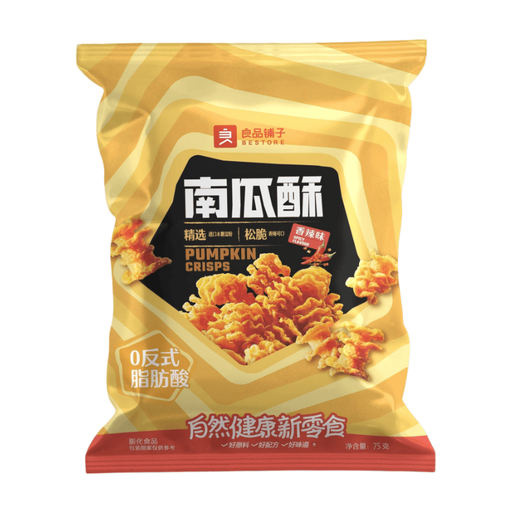
Why this fits the profile: A small 75-gram bag is easy to try if you want to sample a spicy pumpkin snack for the first time.
The product information makes it clear that this is a snack based on wheat flour and tapioca starch, not a bag of pure seeds.
75 grams, ready to eat and 502 kcal per 100 grams according to the product specification.
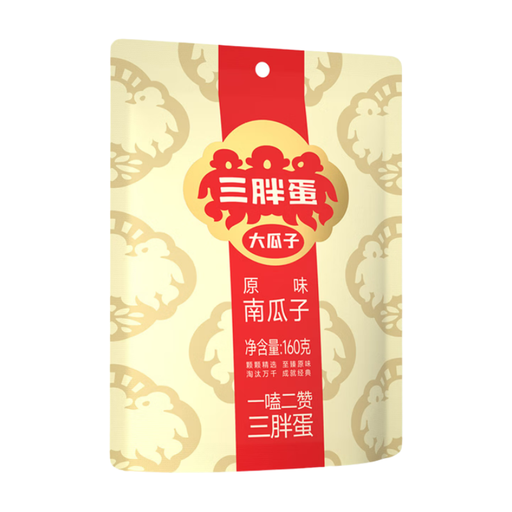
Why this fits the profile: The original roasted flavour suits fans of Chinese snacks who appreciate a simple, recognisable base.
According to the ingredients list, the product consists of pumpkin seeds; the portions are divided into eight 20-gram sachets.
160 grams total, individually wrapped and 29.8 grams of protein per 100 grams according to the product information.
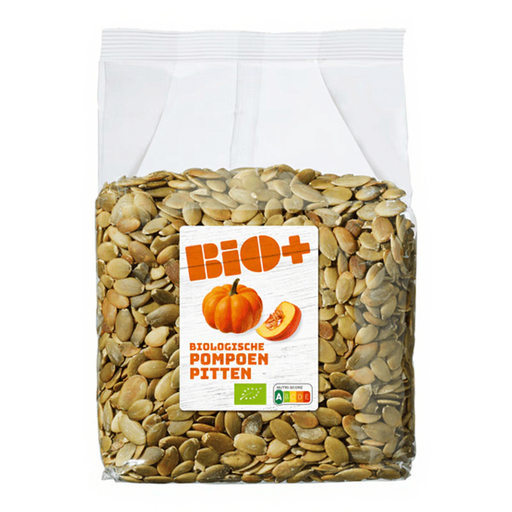
Why this fits the profile: The large pack suits daily use in yoghurt, salads, granola or homemade snacks.
According to the product description, the ingredients list contains only pumpkin seeds of organic origin. Check the current packaging.
500 grams, unseasoned and suitable for roasting yourself or using directly as a topping.
We’ve put together a full, up-to-date list of products that fully meet these strict selection criteria and comply with current European safety regulations.
Yes. Naturally roasted or unseasoned seeds add a crunchy texture to salad, yoghurt, porridge and baked goods. Choose a product without strong spices if you don’t want to overpower the flavour of the dish.
Keep the pack in a cool, dry place away from direct sunlight. Seal an opened bag tightly to limit moisture and loss of crunch. Always check the best-before information on the packaging.
Salted varieties contain added salt and sometimes spices, oil or flavourings. Natural varieties have a shorter ingredients list and are easier to incorporate into dishes. Compare the nutritional values and ingredients per 100 grams before ordering.
