
Vandaag of morgen in huis

Kwaliteit gegarandeerd

Welkomstaanbiedingen ontgrendelen: GRATIS bezorging | Tot 80% korting | Gratis 30 dagen JoyPlus-proefperiode
Download de app
If you want to buy pulses and vegetables online, you’ll often be faced with a huge range: from dried beans and chickpeas to frozen vegetables, edamame and Asian greens. That’s handy for home cooks, vegetarians and vegans, but product packaging doesn’t always give you the answers to the most important questions. How much preparation does the product need? Does the pack size suit your household? And can you store it safely and practically?
As a Joybuy Product Recommendation Officer, I filter the range based on verifiable product information, so you can better separate marketing claims from useful specifications.
A 1 kg bag might look like good value, but dried beans and pulses often need preparation. You have to check them, rinse them, soak them and cook them. If you’re someone who wants to cook quickly, a smaller pack of a ready-to-use product could be more practical.
So pay attention to:
Words like “high in protein”, “source of fibre” or “rich in vitamins” often appear in product descriptions. Always check the nutritional information table and the ingredients list. Nutritional values can vary between brands, recipes and preparation methods.
For example: Goya Red Kidney Beans (Dry) states per 100g, among other things, 21.4g of protein and 61.9g of carbohydrates. That’s product information from the label, not personal dietary advice.
Frozen products must stay frozen. The product information on various frozen vegetables states that after defrosting, you should keep them refrigerated, use them within the stated period and not refreeze them. Check on arrival that the packaging is intact and always follow the instructions on the label.
For soya beans and edamame, soya is a listed allergen. Creamed spinach can also contain milk and gluten. So don’t just look at the product name – check the actual packaging too.
The product form determines how you use the ingredient:
For dried kidney beans, thorough preparation is important. Rinse them, follow the preparation instructions on the pack and never eat them raw or undercooked.
A short ingredients list makes comparing easier. G’woon broccoli florets, for example, lists only broccoli. G’woon extra fine garden peas lists garden peas as the ingredient. G’woon creamed spinach contains, among other things, spinach and cream sauce with milk and wheat flour.
For a vegan meal, frozen peas, broccoli, plain spinach, black beans, kidney beans, chickpeas and mung beans are often straightforward staple ingredients. However, always check the packaging for each item, as the composition and allergen information can change.
A large size is appealing if you cook regularly, but not if you have limited freezer space or only use an ingredient occasionally. A pack of 400 to 500g can be suitable for smaller households or for trying out a recipe. A bag of 800g or 1kg is better suited to meal prepping, family cooking or heavy use.
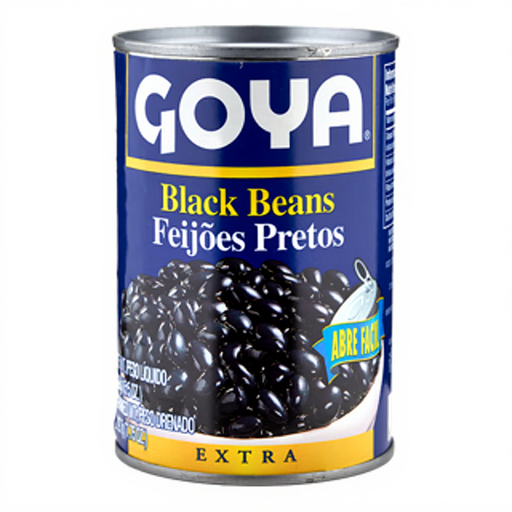
Why this suits the profile: These black beans are already preserved, making them practical for quick rice dishes, salads, soups and Latin American recipes.
The tinned format removes the extra soaking and cooking step needed for dried black beans. After opening, do check the storage instructions on the label.
439g per tin; suitable for various cuisines; product category and allergen information are listed.
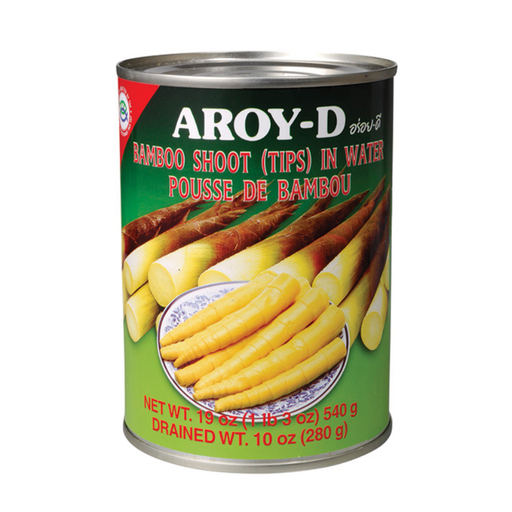
Why this suits the profile: A targeted choice for anyone looking for texture and an Asian ingredient for curry, stir-fries, soup or salad.
According to the product description, the bamboo shoots are pre-cooked and ready to use straight away. That means you don’t have to prepare raw vegetables yourself.
540g; pre-cooked; usable in multiple hot and cold dishes.
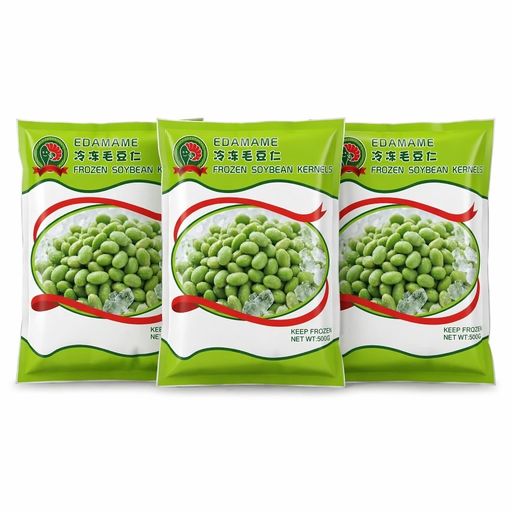
Why this suits the profile: The multi-pack is ideal for anyone who regularly uses edamame in poke bowls, salads, soups or as a snack component.
The portions are frozen and, according to the product information, are stored, packed and transported cold. That means you don’t have to plan around several fresh packs at once.
3 x 500g; frozen product; suitable for various plant-based dishes.
As well as buying beans, you can search online for dried beans, chickpeas, black beans, kidney beans, mung beans, soya beans and broad beans. For the freezer, spinach, broccoli, kale and garden peas are practical additions. If you cook Asian food, you could also look at bamboo shoots, baby pak choi and other Asian greens.
Compare the ingredients, contents, storage method and preparation method for each product. That way, you can build a storecupboard that suits your cooking routine, diet and available space.
We’ve put together a full, up-to-date list of products that fully meet these strict selection criteria and comply with current European safety regulations.
Dried beans are great for your storecupboard and give you flexibility on quantity, but they need preparation. Tinned beans are quicker to use. With tinned products, check the ingredients list, the salt content and the storage instructions after opening.
Use the date and storage conditions on the packaging as a guide. Keep the vegetables frozen until you use them, store them refrigerated after defrosting as stated on the label, and don’t refreeze them. A well-sealed freezer and a stable temperature help to limit quality loss.
Chickpeas, black beans, kidney beans, mung beans, soya beans and edamame are common vegetarian ingredients. Always check the ingredients list and allergen information on composite products. A product with cream sauce or other animal-derived ingredients, for example, won’t automatically fit into a vegan diet.
