
Vandaag of morgen in huis

Kwaliteit gegarandeerd

Welkomstaanbiedingen ontgrendelen: GRATIS bezorging | Tot 80% korting | Gratis 30 dagen JoyPlus-proefperiode
Download de app
As a serious athlete, you know that nutrition is the foundation of your performance. A protein shake is an efficient way to fuel your muscles for recovery and growth. But the market is flooded with products that promise the world. It's easy to get lost in claims of "explosive muscle growth" or "ultra-pure formulas." Before you buy a protein shake, it's crucial to know what to look for to avoid wasting money on a product that hinders your goals.
As a Product Recommendation Officer at Joybuy, I see where consumers go wrong every day. These are the most common pitfalls:
By recognising these pitfalls, you can make a more informed choice that truly contributes to your fitness goals.
To choose the right protein shake for muscle growth, you need to look beyond the packaging. Focus on these three objective criteria.
The most common protein source is whey, a by-product of cheese production. Within whey, there are two main forms:
Ignore the marketing claims on the front and turn the tub around. Look at the nutrition facts panel. Calculate the actual protein percentage yourself:
(Grams of protein per serving / Grams per serving) x 100 = Actual protein percentage
For example, a product like Applied Nutrition ISO-XP provides 22.5 grams of protein in a 25-gram serving. That's a solid 90% protein in the final product—an honest and high percentage.
An effective protein shake without sugar (or with very low sugar content) supports the development of lean muscle mass. Check the "of which sugars" and "of which saturates" lines on the label. A good isolate powder often contains less than 1 gram of sugar and fat per serving. Be extra critical of ready-to-drink shakes, where sugar levels can quickly climb to 20 grams or more per bottle.
Not every athlete needs the same thing. Below is a selection of products that fit different profiles, based on their specifications.
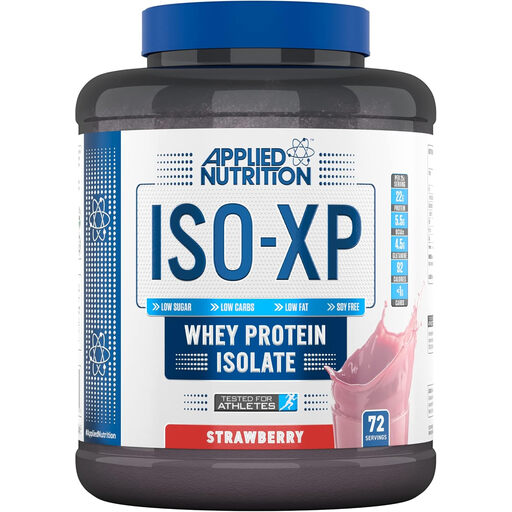
Why This Fits Their Persona: For the athlete who makes no compromises. You want maximum protein intake with minimal extras. This product is focused on pure performance and fits perfectly into a strict nutrition plan for muscle building and maintenance.
This product completely avoids the 'hidden sugar' trap. With less than 0.1 grams of sugar per serving, you get exactly what you need: protein. The 90% protein concentration is clear and honest.
High protein content: 22.5 g of protein per 25 g serving (90%).
Extremely low in sugar and fat: Less than 1 g per serving.
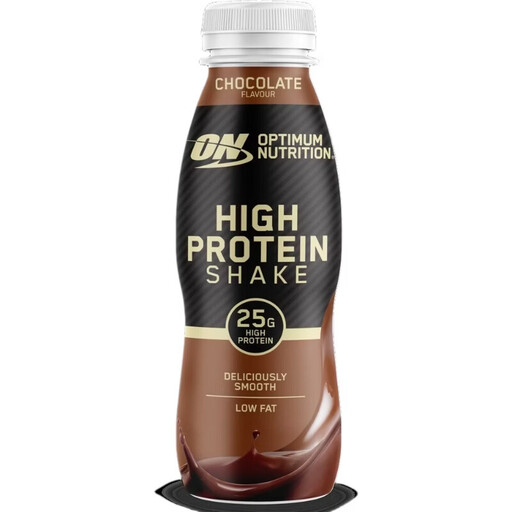
Why This Fits Their Persona: Your life is busy. You need a fast, effective protein source for immediately after your workout or on the go, without the hassle of powders and shakers. For you, convenience is the top priority.
Although this shake contains sugar (20 g per bottle), the manufacturer is transparent about it. The massive 50 g dose of protein compensates for this for those seeking a powerful recovery shake who can use the carbohydrates.
Maximum convenience: A ready-to-drink protein shake.
Very high protein content: 50 g of protein per 500 ml bottle.
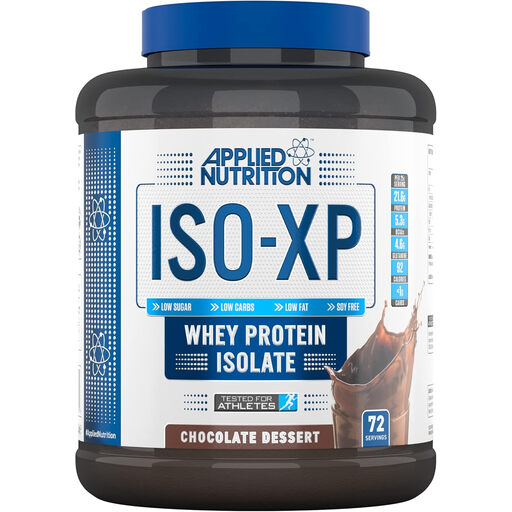
Why This Fits Their Persona: You use protein powder consistently and are looking for the best value for money. A large 1.8 kg container offers excellent value per serving, without compromising on the purity you need for your macro goals.
This product sidesteps the 'percentage trick' by delivering an honest 90% protein. The bulk size prevents you from overpaying for marketing and small tubs, which is a common pitfall.
Value-sized bulk pack: Approx. 72 servings per 1.8 kg tub.
High purity: Whey isolate with 90% protein and minimal carbohydrates.
Especially for those who prioritise convenience, we have a complete, up-to-date overview of products that meet strict selection criteria.
The most effective time is immediately after your workout, ideally within 30 to 60 minutes. This is known as the 'anabolic window,' during which your muscles are especially receptive to nutrients for recovery. Other good times are in the morning with breakfast to prevent muscle breakdown after sleeping, or as a supplement to a meal that is low in protein.
This depends on your priorities.
Choose powder if you want full control and purity, and a ready-to-drink shake if convenience is your main requirement.
A protein shake is a supplement, not a replacement for a varied diet. The amount you need depends on your total daily protein requirement (for strength athletes, often between 1.6 and 2.2 grams per kilogram of body weight) and how much protein you already get from foods like chicken, fish, eggs, and legumes. For most athletes, 1 to 2 shakes per day, for example after training and as a snack, is sufficient to supplement protein intake and optimise your protein shake for muscle growth. When in doubt, always consult a nutritionist.
