
Vandaag of morgen in huis

Kwaliteit gegarandeerd

Welkomstaanbiedingen ontgrendelen: GRATIS bezorging | Tot 80% korting | Gratis 30 dagen JoyPlus-proefperiode
Download de app
Prawn crackers are a popular addition to Asian meals, as a party snack and in lunchboxes. Yet packaging often looks more alike than the contents. A bag labelled “shrimp crackers” might be ready to eat, while another variety still needs to be fried in oil. The prawn content, packaging and allergens also vary considerably.
If you only look at the picture or flavour name, you could end up paying for a product that doesn’t suit how you plan to use it. With these practical checks, you can compare kroepoek udang, Indonesian prawn crackers, Korean shrimp crackers and other Asian snacks in a straightforward way.
“Prawn flavoured” or “shrimp flavour” often describes the taste more than anything else. So always check the ingredients list and the stated percentage of prawn. In the product information for the varieties discussed here, this ranges from 3.2% to 12%, for example. Oishi Shrimp Chips states 6.2% real prawn, while the Sriracha Flavoured Prawn Chips lists 11.4% prawn.
That percentage doesn’t tell you everything about the taste, but it does help you separate marketing language from verifiable information. Also pay attention to the order of ingredients: what comes first is usually present in a larger quantity in the product.
Many prawn crackers are ready to eat straight away. According to the product descriptions, this applies to Oishi, NongShim and MiMi Snacks, for example. Other products are uncooked prawn crackers that still need to expand in hot oil. Huaseed Original Juice Shrimp Chips, for instance, needs to be fried at around 180 °C according to the usage instructions.
A bag of raw prawn crackers is handy if you want to control the cooking yourself, but it’s less suitable for a quick snack at the office or during a party. So always check whether it says “ready to eat” or whether preparation instructions are given.
A 1 kg pack might be appealing for a restaurant, large family or party. But for occasional use, an opened bag can absorb moisture more quickly and become less crispy. Smaller packs of 40 to 100 grams are easier to keep fresh.
With portion packs, such as MiMi Snacks Prawn Flavoured with 40 sachets of 20 grams, you may be paying for extra convenience. So compare the price per 100 grams and think about how you actually use the snack.
Compare at least:
Sum & Sam Prawn Cracker Natural, for example, lists 12% shrimp and a base of tapioca starch. Conimex Indonesian Prawn Crackers Satay lists 7.3% shrimp and a seasoning that includes garlic, paprika, ginger, cumin and cinnamon. This gives a clearer picture of the flavour profile than just the name “prawn crackers”.
Ready-to-eat prawn crackers have the advantage that you can serve them straight away. After opening, look for a resealable pack and store the snack in a cool, dry place away from moisture.
Prawn crackers you fry yourself expand in just a few seconds and can give a lighter, freshly cooked texture. Use a spacious pan, keep the oil at the right temperature and let the crackers drain after frying. Always follow the instructions on the pack. Heated oil also brings extra safety risks.
Prawn crackers often contain crustaceans. Some products also contain wheat, gluten, soya, fish or milk. NongShim Shrimp Cracker, for example, lists prawn, fish, soya and gluten. If you have an allergy, always read the label on the pack; online product information can change and shouldn’t be your only source of information.
Nutritional values also differ. The stated energy per 100 grams for the snacks mentioned here is roughly between 415 and 527 kcal. That makes prawn crackers suitable as a snack or side dish, but portion size still matters. A small 40 g bag is quite different from a bulk 1 kg pack.
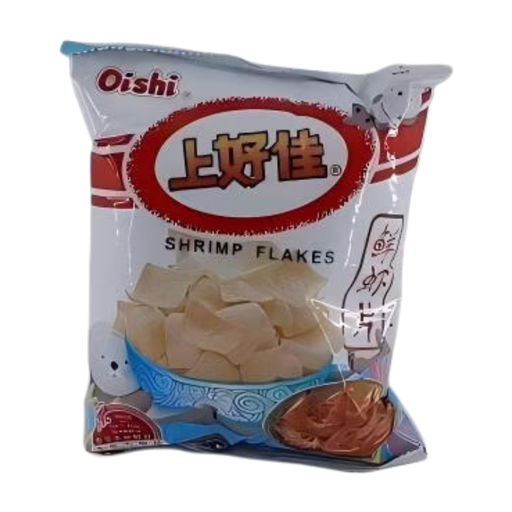
Why this fits the profile: The small pack is practical for trying a classic prawn snack first without buying a large stock straight away.
The product information states 6.2% real prawn and that the chips are ready to eat. This makes the composition clearer than with a product that only mentions a prawn flavour.
40 g net weight; ready to eat; contains wheat and crustaceans according to the product information.
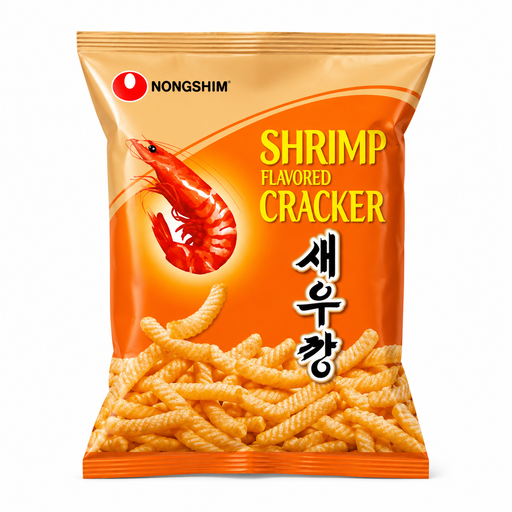
Why this fits the profile: This Korean variety has a grooved shape and is aimed at fans of a pronounced sea aroma and a different texture.
The product information states 8.5% shrimp, the origin Korea and a ready-to-eat preparation. This lets you base your choice on origin, percentage and usage.
75 g pack; grooved, crispy shape; according to the label contains prawn, fish, soya and wheat.
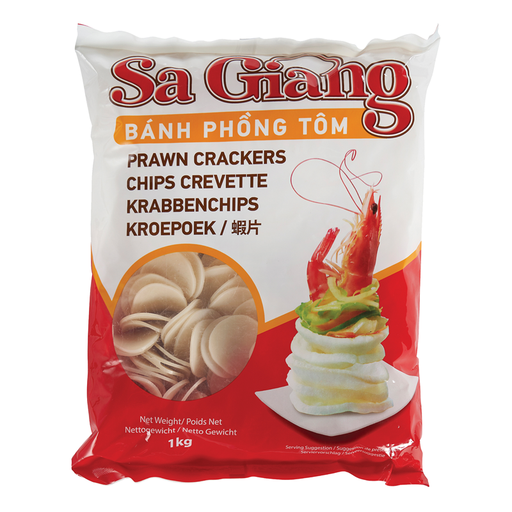
Why this fits the profile: The large bag is aimed at families, party organisers and catering businesses that regularly prepare Indonesian prawn crackers.
The quantity is clearly stated as 1 kg and the product information notes that the prawn crackers are fried yourself. This prevents confusion about portion size and preparation method.
1 kg bulk pack; suitable as a snack or with rice, noodles and other meals; preparation method gives freshly fried crackers.
We’ve put together a full, up-to-date list of products that fully meet these strict selection criteria and comply with current European safety regulations.
“Kroepoek udang” is the Indonesian name for prawn crackers. “Shrimp crackers” and “prawn crackers” are English names. The base varies by product: Indonesian varieties often use tapioca starch, while Korean shrimp crackers can also contain a lot of wheat flour.
Store the opened bag tightly sealed in a cool, dry place, away from moisture and direct sunlight. Moisture will soften the crispy texture. Also check the instructions on the pack; some product descriptions advise consuming the contents immediately after opening.
That depends on the spices used and their tolerance for heat. NongShim Shrimp Cracker Hot, Oishi Prawn Crackers Spicy Flavour and Sriracha Flavoured Prawn Chips contain chilli or other spicy ingredients. Always check allergens such as crustaceans, soya, fish and wheat before serving the snack.
