
Vandaag of morgen in huis

Kwaliteit gegarandeerd

Welkomstaanbiedingen ontgrendelen: GRATIS bezorging | Tot 80% korting | Gratis 30 dagen JoyPlus-proefperiode
Download de app
When you buy porridge oats, you'll quickly notice terms like organic, wholegrain, high-fibre, sugar-free and high-protein on the packaging. However, these words don't tell the whole story. A product might be labelled "no added sugar", yet still contain relatively high levels of naturally occurring sugars from dried fruit. Likewise, "granola" isn't automatically a lighter choice than rolled oats.
By carefully checking ingredients, nutritional values and allergens, you can avoid a disappointing purchase. Below, we explain what to look for and which options suit different breakfast routines.
"No added sugar" means that no sugar or sweetener has been added during production. The product can still contain naturally occurring sugars, for example from fruit or milk powder. Always check the of which sugars line per 100g.
A muesli with raisins, for instance, may contain no added sugar but could still deliver more sugar than plain rolled oats. With granola, portion size also matters: the energy value is often higher due to nuts, seeds and oil.
Muesli with nuts and fruit, quinoa breakfast cereals or instant porridge can sound appealing. However, look at how much of those ingredients are actually present. A product with "fruit" on the front may contain only a few percent of fruit powder.
Pay attention to the order of ingredients: what appears first is usually present in the largest quantity. For pure wholegrain porridge oats, oats should be the only or main ingredient.
A high fibre content is useful if you want to incorporate more fibre into your breakfast, but it says nothing about sugar, salt, fat or allergens. Granola with lots of nuts and seeds, for example, can contain 16 to 28 grams of fibre per 100g, but also more than 400 kcal per 100g.
Therefore, compare the full nutritional profile rather than just one eye-catching claim on the front.
For a simple daily staple, 100% wholegrain rolled oats are straightforward. Quaker Oatmeal, for example, lists 100% wholegrain oats and, according to the product information, contains 9g of fibre and 11g of protein per 100g. Zonnatura Organic Whole Wheat Oatmeal also contains fine wholegrain rolled oats and is, according to the product description, organically certified.
With organic porridge oats, check that the EU organic logo and control code are on the packaging. An organic label refers to the production method; it does not automatically mean a product contains less sugar or fewer calories.
Always use the values per 100g to compare different products fairly. Pay particular attention to:
Holie's Granola Low Carb Crunch states, according to the product information, 18g of carbohydrates, 16g of fibre and 22g of protein per 100g. That profile might suit someone looking to eat fewer carbohydrates, but the product also contains 33g of fat and 490 kcal per 100g. "Low carb" therefore doesn't automatically mean low in calories.
Oat products may contain gluten or traces of wheat, barley, rye, milk, soya, nuts or sesame. If you're looking for gluten-free granola, check that the packaging clearly states this and also review the allergen information.
Also consider the preparation. Standard rolled oats usually require cooking or soaking. Instant products are quicker, but may contain blended grains, milk powder, sugar, maltodextrin or creamer. Single-serve sachets are practical for on the go, but compare the composition with loose rolled oats before you order.
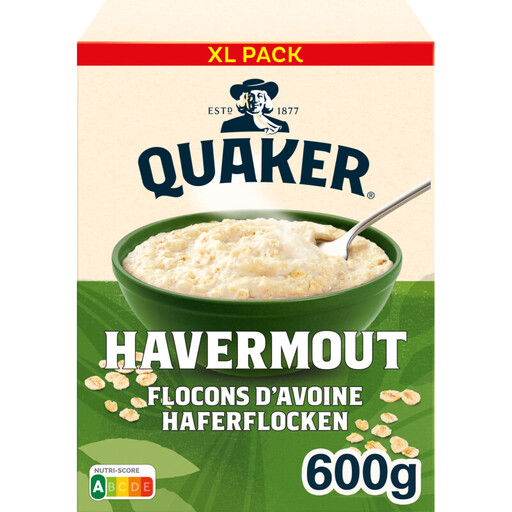
Why this suits the profile: A simple pack of 100% wholegrain oats for anyone wanting to start with porridge without too many variations.
The ingredients list is short and states no added sugars. This makes it clear what you're buying.
Per 100g: 9g fibre, 11g protein and 1.1g sugars according to the product information. Available in a 600g pack.
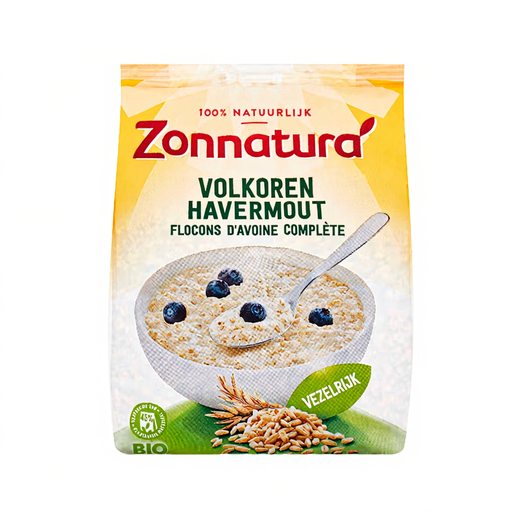
Why this suits the profile: Ideal for those who value organic porridge oats and a simple wholegrain product.
The product description mentions 100% organic fine wholegrain rolled oats. There are no fruit pieces or flavourings to cloud the comparison.
Per 100g: 11g fibre, 11g protein and 1.7g sugars. The packaging displays a European organic certification.
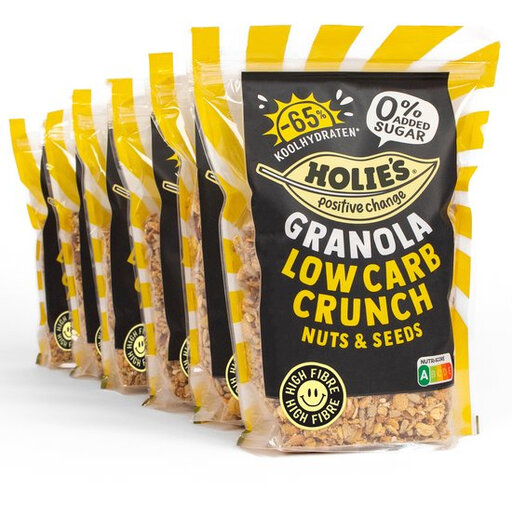
Why this suits the profile: A bulk pack for those who use granola regularly and want to consciously choose a lower-carb option.
The product information states 0% added sugar and simultaneously shows the full fat and energy content, so you can assess the "low carb" claim in context.
Per 100g: 18g carbohydrates, 16g fibre and 22g protein. Contains, among other things, sunflower seeds, soya, almonds and linseed.
We've put together a full, up-to-date list of products that fully meet these strict selection criteria and comply with current European safety regulations.
Plain wholegrain porridge oats with a short ingredients list are easy to assess. Quaker Oatmeal and Zonnatura Organic Whole Wheat Oatmeal consist, according to their product information, mainly of wholegrain oats. You can add your own flavour and nutritional value with fruit, milk, yoghurt or nuts.
Not always. Some varieties, such as sugar-free granola, contain no added sugar. However, dried fruit and other ingredients can contribute to the sugar content. Granola also often contains more fat and energy due to nuts, seeds and oil. Therefore, compare per 100g and per portion.
Store porridge oats and breakfast cereals in a cool, dry place in an airtight container, away from moisture and direct sunlight. Check the best-before date on the packaging. Do not use the product if the packaging is damaged or if the smell, taste or texture has noticeably changed.
