
Vandaag of morgen in huis

Kwaliteit gegarandeerd

Welkomstaanbiedingen ontgrendelen: GRATIS bezorging | Tot 80% korting | Gratis 30 dagen JoyPlus-proefperiode
Download de app
If you’re looking to buy plates, you’ll soon notice the many differences in materials, shapes, sizes and prices. A plate that looks good in a product photo won’t necessarily suit everyday use. Ceramic can break, metal can get hot, and a large dinner plate takes up more cupboard space than you might expect.
That’s why choosing the right plate is about more than colour or design. Think about when and how you’ll use it, as well as its dimensions, care instructions and material limitations.
A decorative finish doesn’t guarantee that a plate is practical. Check whether it’s suitable for the dishwasher, microwave, oven or freezer. This varies from product to product. Some ceramic plates don’t clearly state whether they’re dishwasher- or microwave-safe. If that’s the case, don’t assume they’re safe to use in those appliances.
Stainless steel plates are generally less prone to breaking than ceramic ones, but they conduct heat well. A plate holding hot food can therefore be difficult to handle. Metal plates are also usually unsuitable for the microwave. Always check the safety warnings and instructions for use.
A standard dinner plate of around 26 to 28 cm gives you room for a main course, but may not fit in a small dishwasher or kitchen cupboard. Deep plates are useful for pasta, soup and curry, while divided plates are better when you need to keep different foods separate. If in doubt, measure your available storage space and dishwasher first.
Ceramic plates often have a smooth glaze and are suitable for everyday meals, desserts and serving food. Look out for chips, cracks and thermal shock. A ceramic plate taken straight from the fridge and put into a hot oven may be damaged if the manufacturer doesn’t say it’s safe to do so.
Sandstone, sometimes listed as “sandstone” in product information, often feels heavier and more robust. For example, the Secret de Gourmet Atelier Dinner Plate has a diameter of 27 cm, weighs around 780 grams and, according to the product information, comes in packs of 24. That could be a good option for a household that needs several matching dinner plates, but less practical if you’re looking for lightweight tableware.
Stainless steel plates are easy to care for and less vulnerable to damage if dropped. The Maxcook models are listed as being made from 304 stainless steel. This tells you something about the type of steel used, but check the finish, wall thickness and care instructions too. If the manufacturer recommends using a soft sponge, avoid abrasive ones.
Use these guidelines as a starting point:
A rectangular plate can fit neatly on a tray, while round plates are usually easier to stack. Check the raised rim too. A low rim is handy for pizza or salad; a higher rim helps keep sauces and liquids on the plate.
Look for clear information about dishwasher-safe plates and food contact. A smooth, non-porous surface is generally easier to clean than a heavily textured one with deep grooves. For decorative glazes, follow the care instructions to help prevent discolouration or damage.
Claims such as “food-safe” or “non-toxic” come from the brand’s product information. Don’t treat them as a universal guarantee for every use. Check the material, warnings and information about the responsible economic operator in the EU.
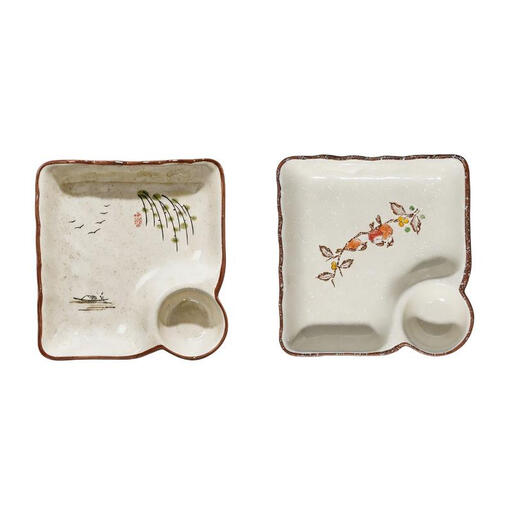
Why it suits this profile: This set of two rectangular ceramic plates has divided sections and built-in sauce compartments. That makes it suitable for snacks, sushi, chips, dumplings and light meals.
The divided sections help stop sauces and main dishes from mixing together. Before use, check the latest information on dishwasher and microwave suitability.
Ceramic material, two plates per set and a space-saving rectangular shape.
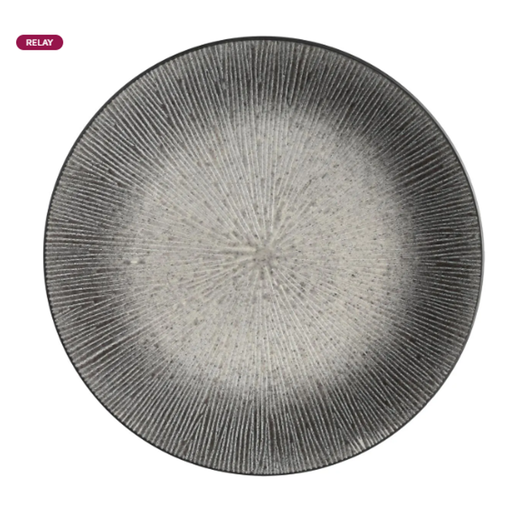
Why it suits this profile: This 27 cm round plate is designed for stylish table settings and, according to the product information, is also recommended for professional use and restaurants.
The diameter and material are clearly listed. This helps you assess cupboard space and weight before buying, rather than relying on the photo alone.
Sandstone material, 27 cm diameter and a weight of around 780 grams.
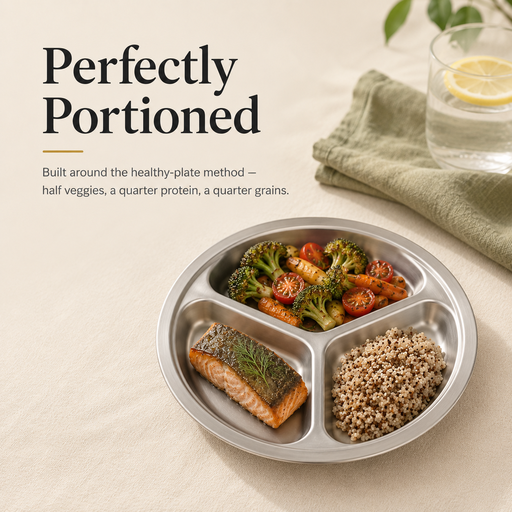
Why it suits this profile: The three compartments are designed to keep rice, side dishes and soup separate. The 19.5 cm round plate is suitable for children, portioning, camping and catering.
The specifications list the material, diameter, height and care instructions. Note that, according to the product information, it isn’t suitable for the microwave.
304 stainless steel, three compartments, two plates per set and, according to the product information, dishwasher-safe.
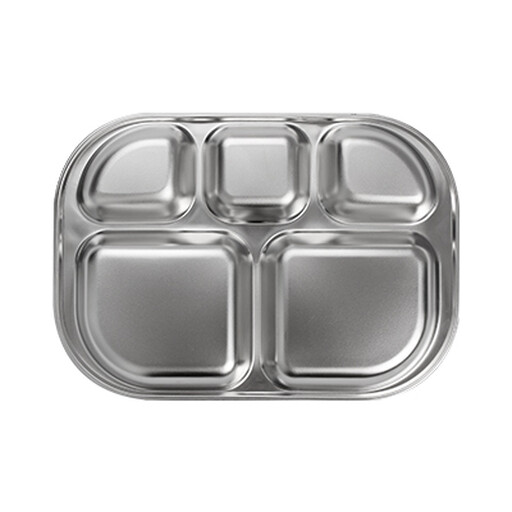
Why it suits this profile: Five separate compartments give you plenty of space for a well-organised meal. This is practical for families, lunches, buffets and outdoor use.
The fixed compartments mean you don’t need to combine it with separate bowls. Check beforehand that the dimensions suit your tray and storage space.
304 stainless steel, five compartments and, according to the product information, dishwasher-safe.
We’ve put together a complete, up-to-date list of products that meet these strict selection criteria and the applicable European safety regulations.
Divided plates are handy for children when different foods need to be kept apart. Stainless steel is less breakable than ceramic, but it can get hot. Choose a stable design with rounded edges and check the warnings before using it with hot food.
Usually not. Metal should generally not be put in a microwave. Some stainless steel models may be listed as suitable for an oven, steam oven or induction hob, but that doesn’t mean they’re microwave-safe. Always follow the specific product information.
Lifespan depends on how the plates are used, washed and stored. Ceramic plates can last a long time as long as they aren’t knocked or exposed to sudden temperature changes. Stainless steel plates are less likely to break, but they can get scratched or dented. Replace any plate with a crack, sharp edge, distortion or damaged surface.
