
Vandaag of morgen in huis

Kwaliteit gegarandeerd

Welkomstaanbiedingen ontgrendelen: GRATIS bezorging | Tot 80% korting | Gratis 30 dagen JoyPlus-proefperiode
Download de app
Pickled vegetables are handy as a side dish, topping or flavour enhancer. A small bag of pickled mustard tuber can give a bowl of noodles more character, while pickled cucumber works well with a sandwich or barbecue. Yet Asian pickles, Chinese pickled vegetables, Korean kimchi and Turkish table pickles differ greatly in taste, preparation and storage convenience.
What's more, the packaging doesn't always tell you straight away what you need. So pay particular attention to these three common pitfalls:
The method of preparation largely determines the flavour. Products in vinegar often have a distinct sour note. Turkish gherkins, such as Sera Turkish Pickles, combine sourness with a crunchy texture. Spicy pickles from Sichuan can also contain chilli, garlic, star anise or Sichuan pepper.
With Korean kimchi, ingredients include Chinese cabbage, radish, red pepper, garlic and ginger. The flavour can be fresh and sour, aromatic and spicy. If you're buying kimchi for the first time, you can start with a small pack of 80 to 160g. That way, you avoid a large jar going unused.
Compare the nutritional information per 100g, not just the serving size. With pickled mustard tuber, pickled radish and Chinese table pickle products, the salt content varies noticeably. The ingredients list also shows whether a product contains oil, sugar, sweeteners, flavour enhancers or preservatives.
Also look out for allergens. WuJiang products contain mustard. Sempio Canned Kimchi lists soya. Liu Bi Ju Pickled Cabbage and Bestore Wild Mountain Bamboo Shoots mention sulphites. The product packaging is definitive, as composition and labelling can change.
Small individual bags are handy for lunch, a single meal or to take with you. A jar or bulk pack is better suited to a family, a store cupboard or regular use.
Also check whether the product:
Liu Bi Ju Pickled Cabbage, for example, is intended to be rinsed and then cooked. The product can be used in stir-fries, stews or dumpling filling. That's quite different from a ready-to-eat side dish like pickled cucumber or sliced kimchi.
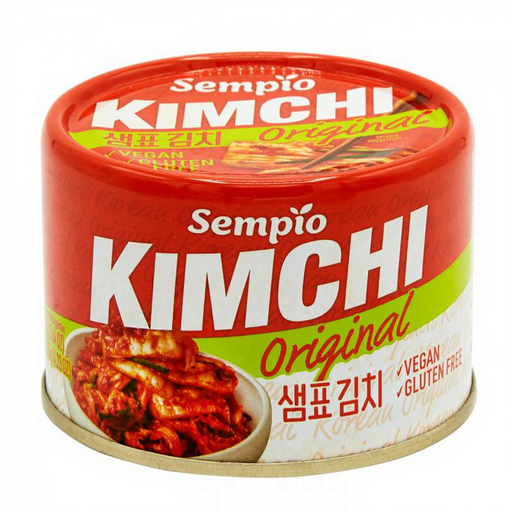
Why this fits the profile: The 160g pack is manageable for anyone wanting to try Korean kimchi without buying a large quantity straight away.
The uses are clearly described: as a side dish, topping or ingredient for rice, noodles and fried rice, among other things.
160g; pre-cut pieces; stated nutritional value of 2.1g salt per 100g; contains soya.
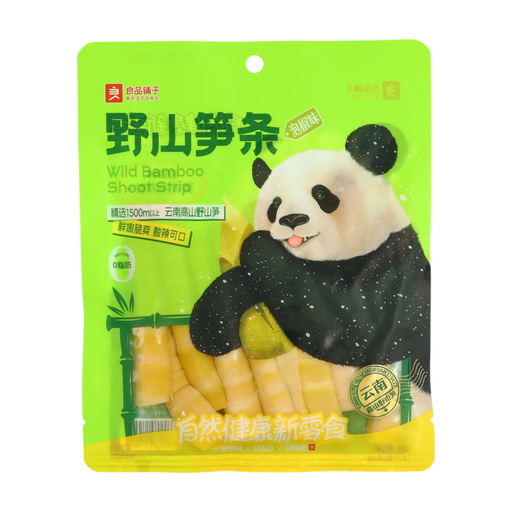
Why this fits the profile: The combination of bamboo shoots in brine and pickled peppers appeals to shoppers who prioritise texture, spiciness and clear product specifications.
The label states, among other things, a minimum of 70% bamboo shoots, more than 3% pickled pepper and 3.1g salt per 100g.
90g; 18 kcal and 0g fat per 100g according to the product information; ready to eat.
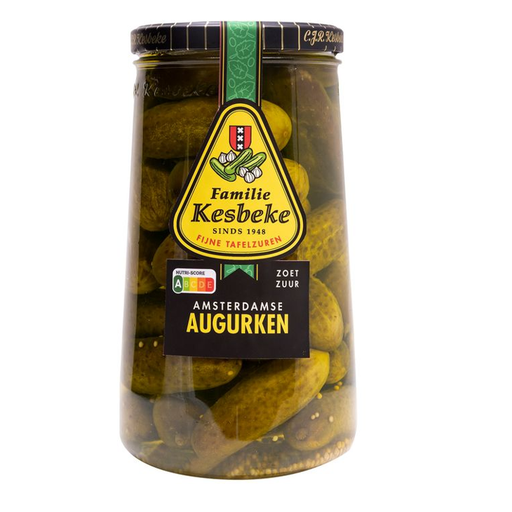
Why this fits the profile: The large size is aimed at households and occasions where pickled cucumbers are served regularly.
The packaging states both the net volume and the drained weight: 1,700ml and 900g. This makes it easier to compare the quantity.
Crunchy gherkins; suitable for sandwiches, burgers, barbecues and sharing platters; refrigerate after opening.
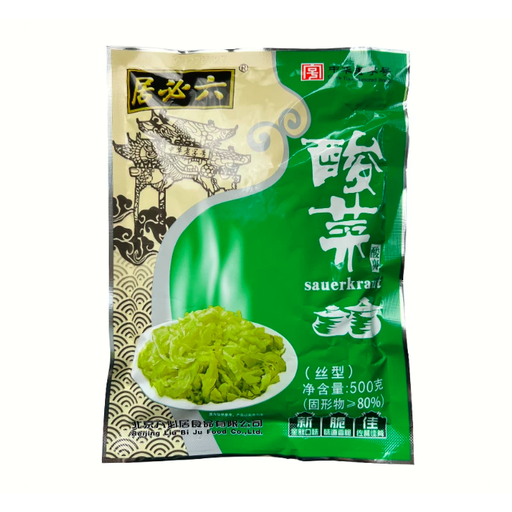
Why this fits the profile: The shredded Chinese pickled cabbage is intended as an ingredient for stir-fries, noodles, stews and dumpling filling.
The instructions clearly state: rinse, drain and heat thoroughly before consumption. So it is not a ready-to-eat side dish.
500g; pre-shredded; 2.3g salt per 100g according to the product information; contains sulphites.
We've put together a full, up-to-date list of products that fully meet these strict selection criteria and comply with current European safety regulations.
A small pack of Korean kimchi, pickled radish or pickled cucumber is practical for trying different flavours. Choose a product with clear usage instructions and a size you can easily finish after opening.
This varies by product. Store opened bags and jars according to the label, usually refrigerated and well sealed. Keep vegetables in brine as submerged as possible. Always check the shelf-life information on the packaging.
Kimchi usually consists of seasoned Chinese cabbage and other vegetables, with ingredients such as chilli, garlic and ginger. Pickles is a broader term for vegetables or fruit that have been preserved in salt, vinegar, oil or a combination of these. The flavour and preparation method therefore differ from product to product.
