
Vandaag of morgen in huis

Kwaliteit gegarandeerd

Welkomstaanbiedingen ontgrendelen: GRATIS bezorging | Tot 80% korting | Gratis 30 dagen JoyPlus-proefperiode
Download de app
Buying perfume online seems simple: choose a brand and a bottle, then pay. But a fragrance can smell quite different in real life from what you expected. You can’t smell it before you buy, product information is sometimes incomplete, and terms such as “long-lasting” or “luxury” don’t always tell you enough about the composition.
Use this practical guide to compare fragrance profiles, concentrations, bottle sizes and occasions. That way, you can compare women’s perfumes, men’s perfumes and unisex fragrances using information you can check, rather than relying on marketing alone.
An eau de parfum generally contains more fragrance ingredients than an eau de toilette, but how long it lasts depends on the formula, your skin and the conditions. A fragrance can develop differently on warm skin than it does on clothing or dry skin. And “long-lasting perfume” isn’t a fixed quality standard.
So, check the fragrance notes and user information, but treat performance claims as a guide. The brand or seller may say a fragrance has a long-lasting presence, but that’s no guarantee it will last the same way for everyone.
A designer perfume or luxury fragrance may come in attractive packaging and have strong brand recognition, but the scent could still be too sweet, spicy or heavy for your taste. Look beyond the bottle and check the top, heart and base notes.
A 50 ml perfume may seem like the more attractive purchase, while a 100 ml bottle could work out cheaper per millilitre. The smaller bottle is handy for your handbag or when travelling, or if you want to try a fragrance in a smaller quantity first. Also check whether you’re buying a full bottle or a refill. A refill isn’t always designed to be used on its own as a spray bottle.
An eau de toilette often feels lighter and suits many people for everyday wear. An eau de parfum usually has a fuller scent, but the exact composition still matters. Check the product name, stated concentration and fragrance notes.
For the office, public transport or a small space, a fresh or moderate fragrance may be more practical. For evenings or colder months, some people prefer woody, amber or gourmand scents.
Before you buy, check:
Ingredients can change, so always check the latest list on the packaging, especially if you have sensitive skin or known allergies. Stop using the product if irritation occurs.
The scent you wear every day doesn’t have to be the same one you choose for dinner or a party. Consider:
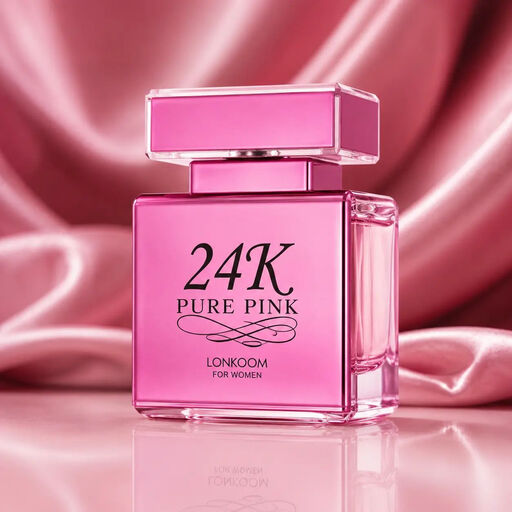
Why it suits this profile: The 100 ml bottle and fruity floral profile, with apple, mango and amber, make this an accessible choice for everyday wear.
The product information clearly states the bottle size and key fragrance notes, so you don’t have to judge it by the packaging alone.
Eau de parfum, 100 ml, with a fruity floral blend of apple, mango and amber.
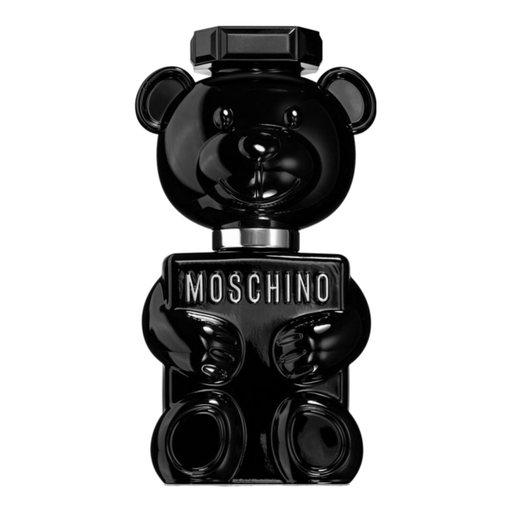
Why it suits this profile: This fragrance pairs rose with pink pepper, pear, nutmeg, vetiver, sandalwood and musk for a distinctive woody, spicy profile.
The specific top, heart and base notes give you a clearer idea of the fragrance than a general claim about luxury or intensity.
Eau de parfum, 50 ml, with a distinctive blend of rose, spicy notes, vetiver and woods.

Why it suits this profile: The fresh citrus opening of yuzu, lemon and bergamot works well for everyday wear and professional settings, with aromatic and woody depth.
The fragrance profile is clearly described, so you can decide in advance whether citrus, spices and woods suit the occasion.
75 ml, a citrus-aromatic profile and base notes of vetiver, cedar, sandalwood, musk and amber.
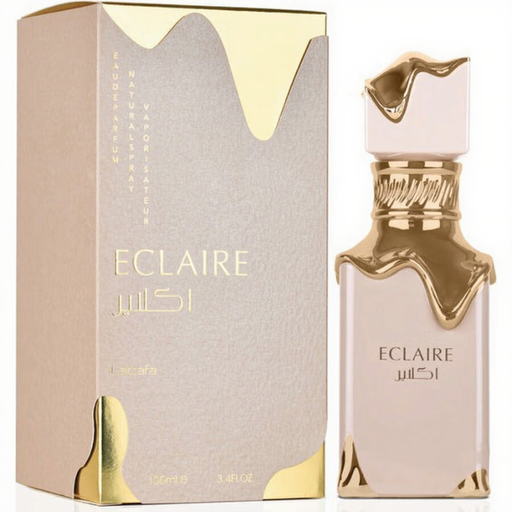
Why it suits this profile: The blend of caramel, milk, sugar, honey, vanilla and praline is ideal for anyone looking for a creamy gourmand fragrance.
The list of notes makes it clear that this is a distinctly sweet fragrance. You’ll know in advance that it may not suit you if you’re looking for fresh citrus scents.
100 ml, eau de parfum, with a distinctive gourmand profile of caramel, vanilla and praline.
We’ve put together a complete, up-to-date list of products that meet these strict selection criteria and current European safety requirements.
Not necessarily. Eau de parfum often has a higher fragrance concentration, while eau de toilette can feel lighter. The right choice depends on your preference, when you’ll wear it and how strong you want it to be. Always check the product description and fragrance notes.
The shelf life is usually stated on the packaging, for example with a period-after-opening symbol or an expiry date. Store perfume somewhere cool and dry, away from direct sunlight and sources of heat. Close the bottle securely after use.
First, choose between a fresh, floral, woody or sweet fragrance. Then check the intended audience, bottle size and concentration. A 50 ml perfume is a practical choice if you’re not sure what the recipient likes; 100 ml may be a better option for someone who regularly wears a familiar fragrance.
