
Vandaag of morgen in huis

Kwaliteit gegarandeerd

Welkomstaanbiedingen ontgrendelen: GRATIS bezorging | Tot 80% korting | Gratis 30 dagen JoyPlus-proefperiode
Download de app
When you’re looking to buy peppermints online, you’ll quickly come across dozens of varieties: hard peppermints, sugar-free peppermints, chewing gum, menthol sweets and liquorice with mint. The differences aren’t just about flavour. The ingredients, packaging, quantity and suitability for on-the-go use all determine whether a purchase is practical.
Sugar-free peppermint pastilles often contain sweeteners such as sorbitol, maltitol, xylitol or aspartame. According to the label, these products contain no sugar, but they may still contain polyols. If consumed in excess, this can have a laxative effect. Always check the ingredients list and nutritional information table.
Also look out for aspartame. Some products state that they contain a source of phenylalanine. This is relevant information for people with phenylketonuria (PKU).
A bag of 200 to 450 grams may seem good value, but it’s not always practical for a coat pocket or handbag. Rolls and small tins are much handier for on-the-go or at work. A large bag is better suited to home use, an office stash or buying peppermints in bulk.
Menthol sweets and extra-strong pastilles have a pronounced taste. That can be enjoyable if you like that sort of thing, but it’s less suitable if you’re after a milder mint variety. Product names like “extra strong” or “strong menthol” mainly describe the flavour experience. According to the brand’s own product information, a product may also have certain properties, but always check the current label.
First, decide whether you want regular or sugar-free peppermints. Regular varieties often have sugar as the main ingredient. For example, King Peppermint 220 g contains 97 grams of sugar per 100 grams according to the product information. Fortuin English Peppermint 450 g contains 99 grams of sugar per 100 grams according to the label provided.
With sugar-free varieties, 0 grams of sugar is usually stated, but the carbohydrate content can be relatively high due to polyols. So don’t just compare the words on the front – also check:
The shape determines how easily you can use the product. A roll is compact and fits in a coat pocket. A tin protects the peppermint pastilles from being crushed and is handy for a desk, car or handbag. A resealable bag is most practical for home use.
Individually wrapped throat lozenges are ideal for sharing or taking with you without having to open the whole pack. With all varieties, check the best-before date and store the product in a cool, dry place away from heat and moisture.
If you follow a vegan, gluten-free or vegetarian diet, you need to check the label. Some peppermints and mint sweets contain gelatine, beeswax or other ingredients of animal origin. “Gluten-free” and “vegan” are not properties you can automatically assume from the product name.
Examples from the range:
If you have allergies, always check the current packaging. A product description can change, and the allergen information on the packaging is what counts.
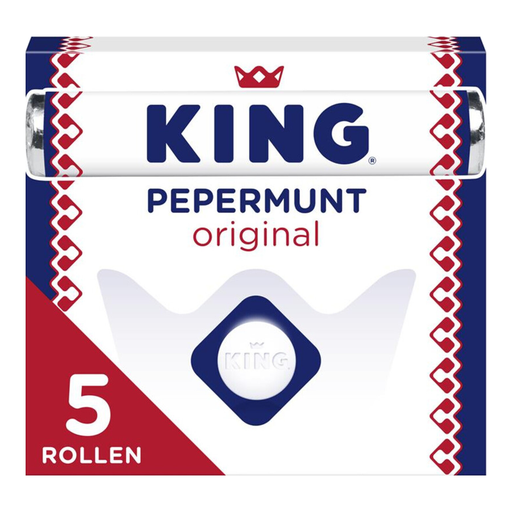
Why this suits the profile: A familiar roll pack with multiple rolls is easy to keep track of at home, at work and on the go. The flavour is based on peppermint oil and menthol.
The 220-gram quantity makes it clear that this isn’t a small bag variety. According to the product information, it contains colourings and 97 grams of sugar per 100 grams, which prevents any misunderstanding about it being sugar-free sweets.
220 grams net weight; five rolls according to the product description; ingredients include peppermint oil and menthol.
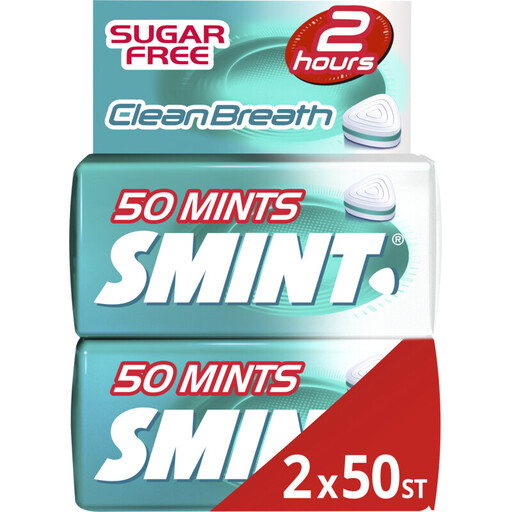
Why this suits the profile: The sturdy tin is ideal for use at the office, in the car or during an appointment. The pastilles are sugar-free and have a distinct peppermint flavour.
The packaging is small and sturdy, so you don’t have to carry a large bag around. The label states 0 grams of sugar per 100 grams, plus the sweeteners used.
35 grams net weight; tin packaging; sugar-free according to the product information; none of the 14 major EU allergens listed.

Why this suits the profile: This variety is designed for fans of a powerful menthol flavour. The 75-gram pack is resealable, making it practical for regular use.
The strength of the flavour is clearly stated in the product name. According to the label, this variety contains sorbitol and 91 grams of polyols per 100 grams; the warning about excessive consumption is worth noting.
75 grams; sugar-free according to the product description; suitable for vegans and gluten-free diets according to the label.
We’ve put together a full, up-to-date list of products that fully meet these strict selection criteria and comply with current European safety regulations.
If you’re looking for a combination of sweet, salty and mint, products like Klene Mint Licorice or Venco Mint Drop are a better fit than classic peppermints. These varieties contain liquorice ingredients and ammonium chloride, among other things. The flavour is therefore different from that of pure peppermint pastilles.
Throat lozenges with menthol or eucalyptus are also a separate category. Anta Flu Eucalyptus Menthol contains sugar, glucose syrup and natural eucalyptus-menthol flavour according to the product information. The product is described as vegan and gluten-free and is individually wrapped. Treat such products as sweets or lozenges; you shouldn’t automatically assume any medicinal effect from the product name.
Choose a roll, tin or resealable bag. A tin like Smint XL Peppermint Duo is compact and protects the pastilles from breaking. For a longer-lasting supply, rolls or larger bags are more practical.
Not necessarily. Sugar-free products often contain sweeteners and can still provide energy. Compare the nutritional values per 100 grams and look out for polyols. With some products, excessive consumption can also have a laxative effect.
The best-before date is on the packaging. Store peppermints in a dry, cool place away from direct sunlight. Seal an opened bag or pot tightly to prevent moisture and loss of quality. Also check that the packaging is undamaged before use.
