
Vandaag of morgen in huis

Kwaliteit gegarandeerd

Welkomstaanbiedingen ontgrendelen: GRATIS bezorging | Tot 80% korting | Gratis 30 dagen JoyPlus-proefperiode
Download de app
If you’re looking to buy pens and markers, you’ll soon come across dozens of sets with similar descriptions. But gel pens, fineliners, acrylic markers, brush pens and permanent markers all work quite differently. A pen for taking long notes needs to do something different from a marker for glass, wood or canvas.
Most disappointing purchases come down to three common pitfalls:
So first, think about what you need the pen for, how fine the line needs to be and what surface you’ll be working on.
The nib size affects how much control you have. A fine 0.5 mm nib is ideal for diaries, forms, small drawings and journalling. A 0.7 mm nib usually creates a slightly bolder line and can be comfortable for everyday note-taking.
Fineliners and fine gel pens are a good choice for technical details and small lettering. For large lettering, posters and decoration, markers with a 1 mm or 3 mm nib are more practical. Brush pens work differently: pressing on the flexible nib creates thinner or thicker lines.
Don’t just look at the diameter; consider the nib type too. A bullet tip gives you a fairly consistent line, while a brush tip takes more practice to control as you write.
Quick-drying ink in black gel pens is handy for left-handed writers and when you need to fill in notes quickly. Even so, it’s worth trying the pen on your own paper first. Thin recycled paper may absorb ink differently from thick journalling paper.
According to the product description, the Faber-Castell acrylic markers contain water-based, opaque acrylic ink. That doesn’t mean they’ll work the same way on every surface. Test the marker on an inconspicuous area first, and leave the mark to dry as instructed.
A comfortable grip matters when you write or draw for a long time. A triangular or ridged grip can give you more hold than a completely smooth barrel. A retractable pen also stops the nib from coming loose in your pencil case.
Markers usually need a cap to help prevent them from drying out. Store gel pens and markers according to the product information, ideally somewhere dry and out of direct sunlight. With acrylic markers, you often need to activate the nib first by shaking the marker and pressing the nib a few times. This isn’t a fault; it’s part of how they work.
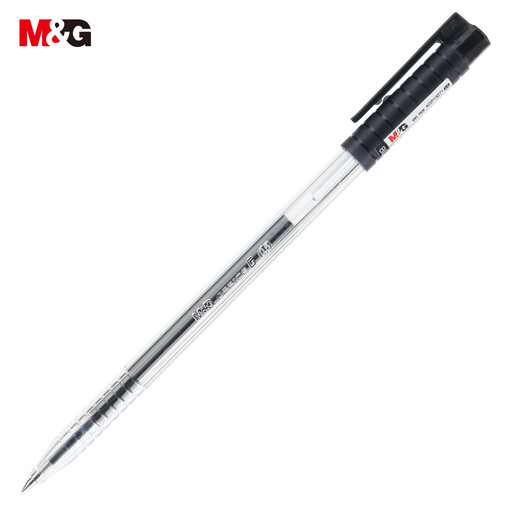
Why it suits this profile: This set is designed for everyday use at home, in the classroom, at the office or in a training room where pens are needed regularly.
The specifications list a 0.5 mm bullet tip and quick-drying black gel ink, so you don’t have to guess based on the number of pens alone.
50 black gel pens, a 0.5 mm nib and a classic stick design for writing on paper.

Why it suits this profile: This set is ideal for creative users who want to work on more than just paper, including projects involving wood, glass, ceramics or canvas.
The description lists two nib sizes, 1 mm and 3 mm, and mentions a range of surfaces. Always check that the ink adheres to your material first.
6 metallic colours, water-based acrylic ink, shake-and-pump function and an ink-level indicator.
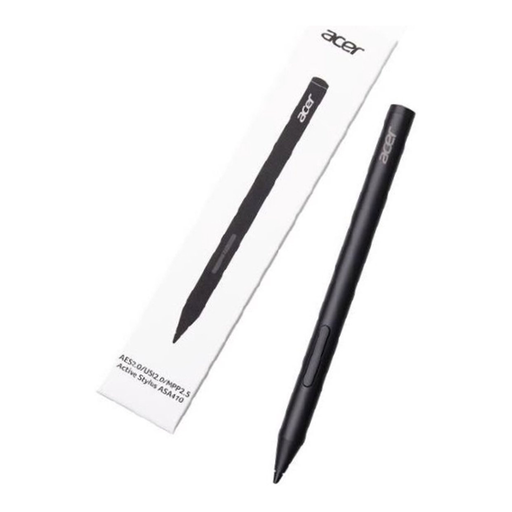
Why it suits this profile: For students, artists and office users who write or draw digitally on a compatible Acer device, a stylus is more practical than a pen designed for paper.
Compatibility is explicitly listed for AES 2.0, USI 2.0 and MPP2.5. Before buying, check whether your screen supports one of these standards.
Weighs 16.5 grams, offers 4096 pressure levels and has a stated battery life of up to 96 hours; AAAA batteries are not included.
We’ve put together a complete, up-to-date list of products that meet these strict selection criteria and current European safety regulations.
0.5 mm gel pens, fineliners and brush pens are popular choices for journalling. A fine nib is helpful for small boxes and details. If you’re using thin paper, choose an ink type described as quick-drying and test the pen on a separate page first.
Replace the cap firmly after use, or retract the nib fully if the pen is retractable. Store markers somewhere dry and out of direct sunlight, following the instructions on the packaging. With acrylic markers, make sure the nib is properly sealed after activation. A marker left open for a long time can dry out, even if you use it correctly.
The total cost depends on the number of items, the nib type and how you use them. A larger set can be practical for families, schools or offices, while a smaller set may suit you better if you only need a few colours. So compare more than just the pack price: look at the price per pen, ink colour, nib size and suitable surfaces.
