
Vandaag of morgen in huis

Kwaliteit gegarandeerd

Welkomstaanbiedingen ontgrendelen: GRATIS bezorging | Tot 80% korting | Gratis 30 dagen JoyPlus-proefperiode
Download de app
When you want to buy peas and pulses, you’ll quickly see lots of different options side by side: jars, tins, freezer bags and dried pulses. Yet these products aren’t simply interchangeable. A tin of garden peas is handy for a quick meal, whereas split peas need time to soften as they cook.
So don’t just look at the brand or price. The contents, cooking method, storage and allergens all determine whether a product suits your kitchen and how much you’ll use.
A 1 kg bag may have a low price per 100 g, but it’s less practical if you only use pulses occasionally. Dried peas also need to be stored in a dry, airtight container. For a household that mainly cooks quick meals, a jar or frozen pack may be more suitable.
With tinned and jarred products, the peas or beans are usually already cooked. Frozen products may be pre-cooked, but still need to be heated according to the pack instructions. Edamame from the freezer, for example, must be heated before serving. Always check the cooking instructions.
Terms like “high in fibre” or a Nutri-Score are useful indicators, but they don’t tell you how much salt, water or other ingredients are in the pack. Look at the ingredients list, the nutritional values per 100 g and the drained weight for products in tins or jars.
Compare products on net weight, and for jars or tins also on drained weight. Six small packs can be more convenient for portion control, while a 1 kg bag makes more sense for meal prep or a large family.
Also pay attention to storage:
A short ingredients list makes comparison easier. Some varieties contain only peas, water and salt; other products may include oil, flavourings or herbs. For soya beans and edamame, soya is a relevant allergen. With some dried peas, the product information may state that gluten could be present or that traces are possible. Always check the label, especially if you have allergies or intolerances.
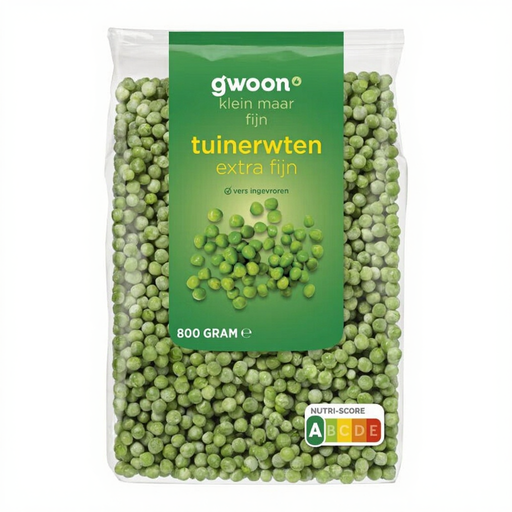
Why this suits the profile: The 800 g pack is practical for multiple meals, side dishes or meal prep. The product information lists broad beans? Check the label on arrival; the product title states extra fine garden peas.
The frozen option means you don’t need multiple small jars. Keep it frozen and use only the amount you need.
800 g pack, ingredients according to the listing: broad beans? Check the actual product packaging for the exact description.
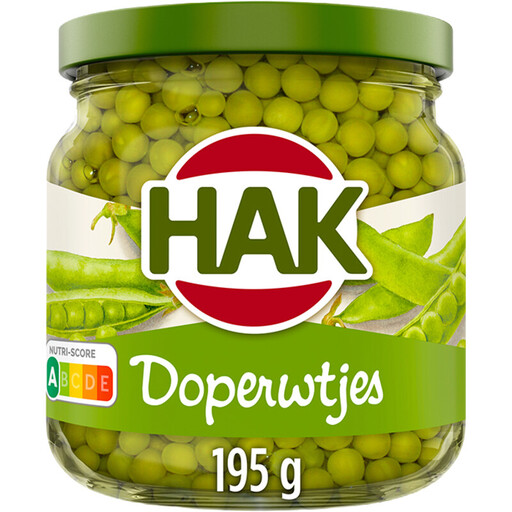
Why this suits the profile: This small jar is ideal for anyone wanting a ready-to-use portion for purée, potatoes or a side dish.
You don’t need to buy a large stock of dried peas or plan for a long cooking time.
195 g, ingredients listed as peas, water and sea salt; according to the listing 69 kcal and 4.5 g fibre per 100 g.
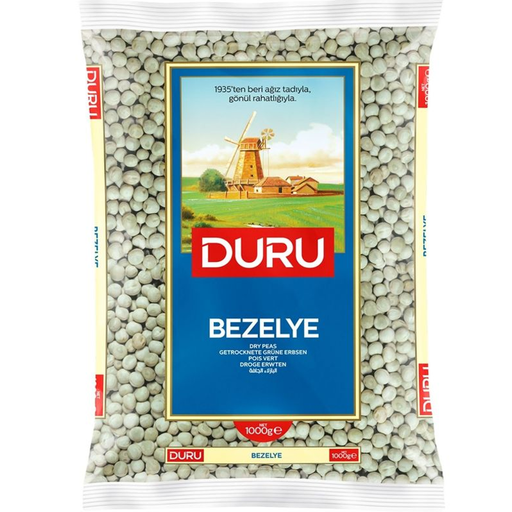
Why this suits the profile: The 1 kg bag is aimed at those who regularly make soup, purée, stews or vegetarian meals.
The product form makes it clear these are dried split peas. You can therefore plan ahead for washing, cooking and storage time.
1 kg, 100% green split peas according to the product information; per 100 g the listing states 23 g protein and 23 g fibre? Check the packaging for the current nutritional values.
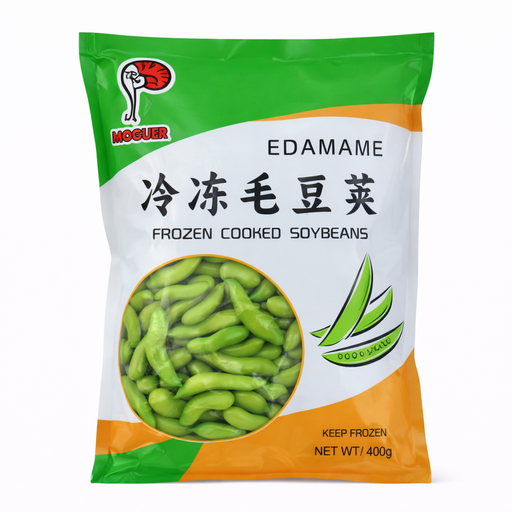
Why this suits the profile: A large frozen pack is ideal for salads, snacks, bowls and multiple meal occasions.
The product information states cooked edamame. So you don’t need to soak dried soya beans; you do need to keep the product frozen and heat it before use according to the label.
1 kg, cooked soya beans and salt according to the listing; contains soya as an allergen.
We’ve put together a full, up-to-date list of products that fully meet these strict selection criteria and comply with current European safety regulations.
That depends on how you use them. Peas in a tin or jar are ready to use straight away and need little preparation. Frozen peas are handy for larger portions and can be stored in the freezer for longer. With both options, check the ingredients, salt content and cooking instructions.
Not every product has the same instructions, so read the pack. Split peas are often cooked directly, while some whole dried pulses need to be soaked first. Allow for extra cooking time if you don’t choose a ready-to-use variety.
Store opened jars and tins in the fridge and use them within the time stated on the label. Keep dried peas, chickpeas and soya beans in a dry, airtight container. Frozen peas and edamame stay frozen until you’re ready to use them. Always check the packaging for the most up-to-date storage instructions.
