
Vandaag of morgen in huis

Kwaliteit gegarandeerd

Welkomstaanbiedingen ontgrendelen: GRATIS bezorging | Tot 80% korting | Gratis 30 dagen JoyPlus-proefperiode
Download de app
If you’re looking to buy peach soft drinks, the choice might seem straightforward. However, peach drinks vary greatly in flavour, packaging, sugar content and texture. A fizzy peach drink is not the same as peach juice with pulp, and a Japanese peach drink can offer a completely different drinking experience to a standard peach-flavoured soft drink.
As a Joybuy Product Recommendation Officer, I filter product information based on practical points. This way, you avoid paying just for a flashy can or an appealing marketing name.
Product names sometimes use terms like white peach, witte perzik or white pear. This can be confusing. For example, the description of Hata Soda White Peach mentions a natural white pear flavour, while the product name refers to white peach. Always check the ingredients list and the flavour description.
A peach lemonade may also contain mainly flavouring, whereas a fruit drink may include peach pulp or peach concentrate. If you’re after a clear fruit sensation, it’s a good idea to look at the stated percentage of fruit juice or pulp.
A tray of 24 cans or bottles can be handy for a party, but less practical if you only want to try a special drink now and then. Pay attention to:
For a tasting moment, a single peach drink in a can or bottle is often more sensible. For a birthday, film night or event, a multipack can be more cost-effective and convenient.
A soft drink may be low in calories but still contain sweeteners. For example, DubbelFrisss Apple Peach states 1 kcal per 100 ml and contains sucralose. According to the product information, Pepsi Zero Sugar Peach states 0 kcal and 0 grams of sugar per 100 ml, but contains aspartame, acesulfame-K and sucralose among other ingredients. When choosing a sugar-free peach soft drink, always check the full ingredients list and nutritional information table.
Always compare nutritional values per 100 ml. This allows you to fairly compare a peach soda in a bottle with a can or a large bottle. Then also look at the total volume. A drink with 8 grams of sugar per 100 ml in a 300 ml bottle contains approximately 24 grams of sugar, based on the stated value.
The values in the range vary:
These figures don’t say anything about personal taste. They do help you make a choice that suits daily use or an occasional treat.
Not every peach drink is highly carbonated. Hata Ramune Peach uses carbonation and has a fine fizz according to the product description. Bong Bong Peach, on the other hand, is a drink with 5% peach pulp, so you can expect a thicker, fruitier texture. Haitai Coco Palm Peach contains nata de coco pieces. This adds a chewy element that not everyone enjoys.
Also pay attention to the packaging. A 200 ml Ramune bottle has a glass bottle with a marble seal. This can be fun for a themed party or as a gift, but is less suitable if you’re looking for a lightweight, easily resealable bottle.
Check the product page and the packaging before purchasing. With imported drinks, the recipe, labelling and nutritional values can vary by market or batch. Pay particular attention to:
Claims such as “natural”, “refreshing” or “authentic taste” are no guarantee of a particular flavour experience. Judge them alongside verifiable data such as ingredients, volume and nutritional values.
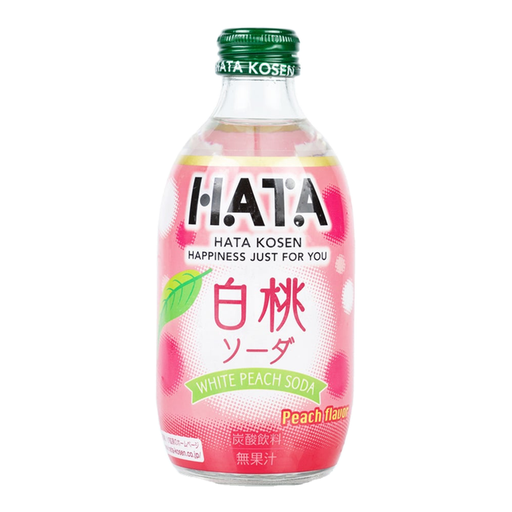
Why this fits the profile: The single 300 ml bottle is ideal for trying a Japanese peach drink first without committing to a large pack.
The volume and nutritional values are clearly stated. Do check the naming of white peach versus white pear on the label.
300 ml, lightly sparkling and approximately 38 kcal per 100 ml according to the product information.
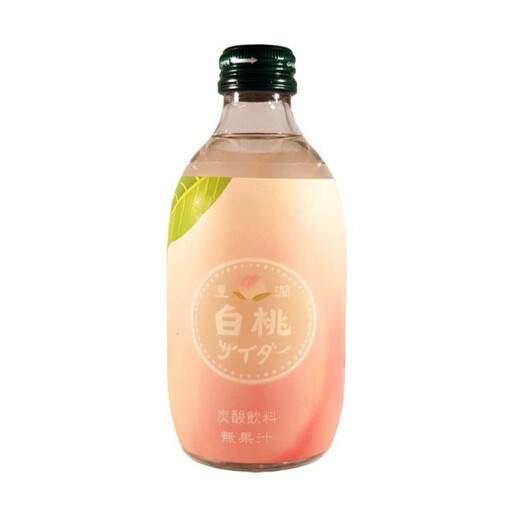
Why this fits the profile: The glass bottle and fruity, lightly sparkling style suit a special serving occasion or as a mixer.
The ingredients list includes carbonated water, sugar, white peach juice or concentrate and natural flavouring. This allows you to compare marketing language with the actual composition.
300 ml per bottle, approximately 33 kcal and 8 grams of sugar per 100 ml according to the product information.
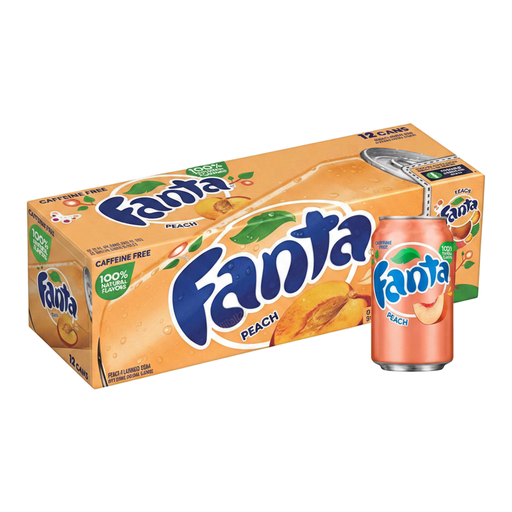
Why this fits the profile: The pack of twelve cans is practical for parties, family use and keeping a stock at home.
The serving size per can is easy to manage. Do bear in mind the 11 grams of sugar per 100 ml and plan storage space for twelve cans.
355 ml per can, carbonated and supplied as a multipack of 12 units.
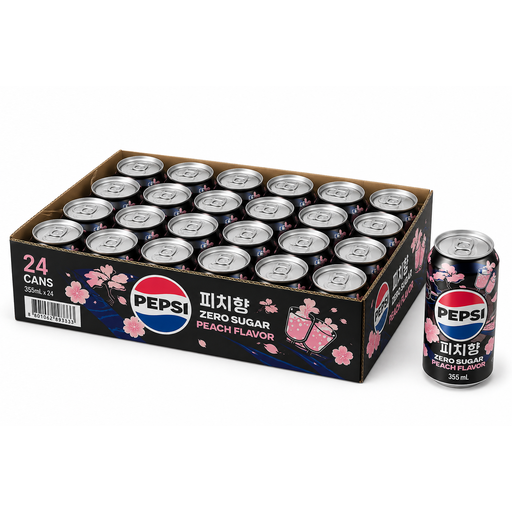
Why this fits the profile: This Korean multipack is aimed at those who want to combine peach and cola without sugar, according to the stated nutritional values.
The product information states 0 grams of sugar and 0 kcal per 100 ml. With aspartame, always check the warning on the label.
24 cans of 355 ml, carbonated and with peach, cola and oolong tea flavouring according to the ingredients list.
We’ve put together a full, up-to-date list of products that fully meet these strict selection criteria and comply with current European safety regulations.
Peach juice or a fruit drink usually contains fruit juice, concentrate or pulp. A soft drink typically contains carbonation, water, sugar or sweeteners and flavourings. According to the product information, Bong Bong Peach contains 5% peach pulp and 0.5% peach concentrate, whereas a peach soda often relies mainly on fizz and flavouring.
The product information for LOTTE CHILSUNG Pepsi Zero Sugar Peach states 0 grams of sugar per 100 ml. The product does use sweeteners, including aspartame, acesulfame-K and sucralose. When making a food choice, always read the current packaging and allergen information.
Store an opened bottle or can according to the label, usually chilled and tightly sealed. Drink the contents within the stated period. Store unopened drinks in a cool, dry place away from direct sunlight. With glass Ramune bottles, it’s also advisable to open the packaging carefully and place the bottle on a stable surface.
