
Vandaag of morgen in huis

Kwaliteit gegarandeerd

Welkomstaanbiedingen ontgrendelen: GRATIS bezorging | Tot 80% korting | Gratis 30 dagen JoyPlus-proefperiode
Download de app
Would you like to buy orange soft drinks, but find yourself overwhelmed by the brands, flavours and pack sizes? Online, you’ll find not only classic orange drinks, but also orange soda, sparkling orange lemonade, Italian aranciata and international soft drinks with mandarin, grapefruit or tropical flavours.
The product name alone does not tell you everything. A small bottle may be relatively expensive for everyday use, while a large multipack can be inconvenient if you mainly want to take the drink with you when you’re out and about. Terms such as “zero”, “light” or “with fruit juice” also call for a closer look at the ingredients list and nutritional information.
A sugar-free orange soft drink often contains sweeteners instead of sugar. This can significantly reduce the number of calories, but the flavour is usually different from that of ordinary soft drinks. So check whether you prefer a sweetener-based version or one that contains sugar.
For example, 7UP Zero Sugar Lemon and Lime states that the drink contains no sugar and provides less than 1 kcal per 100 ml. Its flavour is lemon and lime rather than orange, but it is an option for anyone mainly looking for a sugar-free sparkling citrus drink.
An image of oranges does not automatically mean that the drink contains a high proportion of fruit juice. Check the juice percentage, the flavourings used and the sugar content per 100 ml. Sanpellegrino Aranciata Rossa, for example, states that it contains 17% orange juice and 3% blood orange juice concentrate. Orangina Regular states that it contains 12% juice from concentrate, of which 11% is orange.
These are verifiable product details. Claims about flavour or product quality remain dependent on the product description and personal preference.
A soft drink multipack containing 12 or 24 cans is practical for a party, family or stock cupboard. For one person, however, such a pack can take up a lot of space. Small bottles or cans are easier to distribute at a gathering, while a 1.5-litre bottle is better suited to sharing at home.
Always compare the nutritional information per 100 ml. This allows you to compare a 330 ml can fairly with a 1.5-litre bottle. Pay attention to:
The information may vary by country, variant or pack size. Therefore, always check the label on the packaging supplied before drinking.
For everyday use, 1.5-litre bottles are often suitable for sharing. For drinking on the go, 200 to 370 ml packs are easier to manage. A pouch, such as the 230 ml Cantabile Orange Ade, is designed to be drunk directly through a straw. A can or glass bottle is more suited to serving with a meal or at a party.
Also check the storage instructions. Many carbonated drinks should be stored in a cool, dry place away from direct sunlight. Once opened, the drink should generally be refrigerated and used within the stated period.
Soft drinks do not always contain allergens, but exceptions do exist. According to the product information, Rivella Regular Orange contains milk serum and lists milk as an allergen. Anyone with allergies should therefore check the full ingredients list rather than relying only on the flavour name.
Imported products may use different names and display product information differently. When buying international soft drinks, always check the current label and the Dutch-language information supplied with the product.
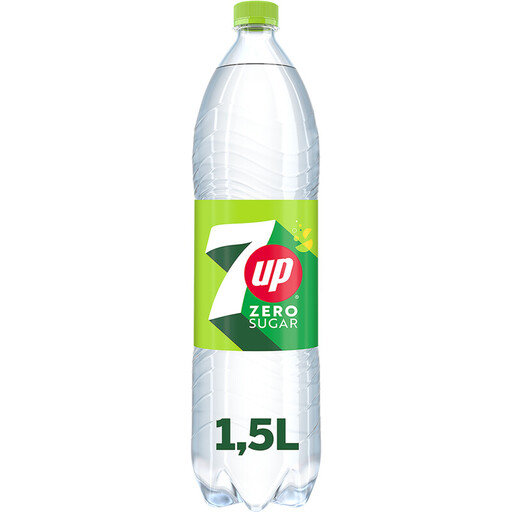
Why it suits this profile: For anyone looking for a large bottle with a light citrus flavour and wanting to avoid sugar. The drink is suitable for serving chilled at home and sharing.
The packaging clearly states “Zero Sugar” and less than 1 kcal per 100 ml. The flavour is lemon and lime, not orange, which helps avoid false expectations.
1.5-litre volume, sugar-free according to the product information, with natural lemon and lime flavourings. Contains aspartame and a source of phenylalanine.
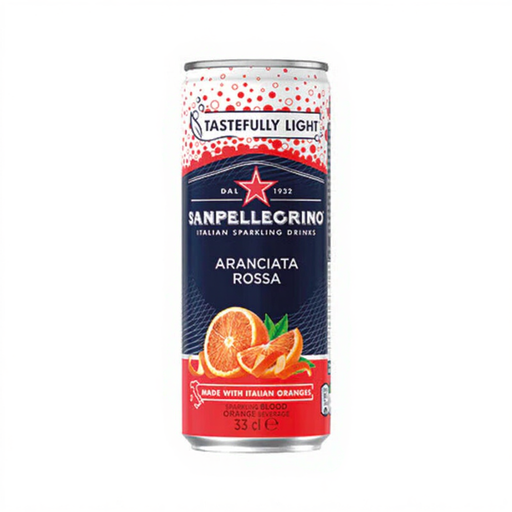
Why it suits this profile: A choice for anyone wanting to serve a distinctive citrus drink with orange and blood orange alongside a meal or at a drinks gathering.
The stated juice percentage makes the ingredients easier to compare than packaging that only highlights a fruit flavour.
330 ml per pack, with 17% orange juice and 3% blood orange juice according to the product information. Contains sugar.
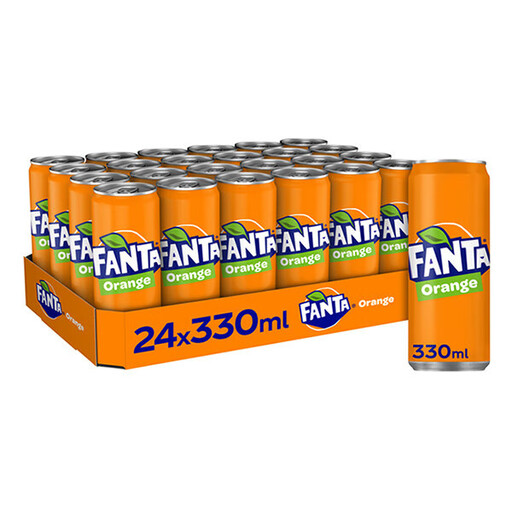
Why it suits this profile: A practical multipack for families, parties, sports clubs or gatherings where individual portions are easy to hand out.
The pack size is clear from the outset: 24 cans of 330 ml. This means you do not need to store a large opened bottle or divide the drink into portions yourself.
24 x 330 ml, orange flavour and, according to the product information, 6.5% orange juice from concentrate. Contains sugar and sweeteners.
We have put together a complete, up-to-date list of products that fully meet these strict selection criteria and the applicable European safety regulations.
This varies by variant. According to the product information, a zero or sugar-free drink contains no sugar, but it may still contain sweeteners. For example, Fanta Orange Soda states that the 24-can variant contains 5.6 grams of sugar per 100 ml, while 7UP Zero Sugar contains no sugar. Always check the nutritional table for the specific pack.
A multipack can be practical if you regularly serve soft drinks or want to stock up. Compare the price per litre or per can, not just the total price. Also take storage space, deposits where applicable and the best-before date shown on the packaging into account.
Store unopened soft drinks in a cool, dry place away from direct sunlight. Once opened, the bottle should be tightly closed and kept in the fridge. The fizz will gradually diminish, so use an opened bottle within the period stated on the label. This also applies to orange drinks, exotic soft drinks and other citrus variants.
