
Vandaag of morgen in huis

Kwaliteit gegarandeerd

Welkomstaanbiedingen ontgrendelen: GRATIS bezorging | Tot 80% korting | Gratis 30 dagen JoyPlus-proefperiode
Download de app
When you want to buy orange soft drinks online, you will quickly come across dozens of varieties: from classic orange soda and Fanta Orange to sugar-free cans, Japanese ramune and large multipacks. The differences are not limited to the brand. The juice percentage, sugar content, size and packaging also determine whether a product suits your needs.
When comparing products, pay particular attention to the information on the product label. For example, a prominent image of oranges does not automatically mean that the drink contains a high percentage of orange juice.
The term orange-flavoured soft drink mainly describes the flavour profile. The ingredients may include flavourings, concentrate, colourings and acidity regulators. According to the product information, for example, Fanta Orange Soda contains 6.5% orange juice from concentrate. Another Fanta pack states 3% orange juice from concentrate.
Therefore, always compare:
According to the manufacturer’s own information, Orangina Regular contains 12% citrus fruit juice from concentrate, of which 11% is orange juice. This gives it a different composition from a standard orange fizzy drink.
A product labelled “zero” or “no sugar” generally contains much less sugar, but check the nutrition table carefully. The Fanta Orange Zero Sugar Soda in the range contains 0.4 grams of sugar and 3 kcal per 100 ml. The product information also lists aspartame and includes a warning that the product contains a source of phenylalanine.
This may make the variant appealing if you are looking to reduce your sugar intake, but it is not automatically suitable for every consumer. When choosing a sugar-free orange soft drink, also check the list of sweeteners and warnings.
A single bottle may sometimes seem good value, but an orange soft drink multipack may offer a different price per litre. For a fair comparison, calculate the total volume:
A multipack of 24 cans is practical for a party or for stocking the cupboard, but less convenient if you have limited space or mainly enjoy an occasional glass.
The nutritional values per 100 ml are the most useful basis for comparison. The products in this selection differ considerably:
These figures are product specifications, not a judgement on flavour or suitability. A lower sugar content may be accompanied by a different flavour profile because of the use of sweeteners.
A 330 ml can is convenient for a single serving and will not keep for long once opened. A 1.5-litre bottle is better suited to drinking at home, but should be refrigerated after opening and consumed within the period stated on the packaging.
For a birthday, barbecue or family gathering, 12- or 24-packs are practical. For a Japanese drinks tasting, a 200 ml bottle may be a better fit. With glass ramune bottles, also consider the size and how they are opened.
Always check the current packaging before buying. Product compositions can change. Pay particular attention to:
Most of the orange soft drinks mentioned do not list any of the 14 main EU allergens. Rivella Regular Orange is an exception: according to the product information, this drink contains milk whey. Store soft drinks in a cool, dry place away from direct sunlight and excessive heat. Check that the seal is intact before opening.
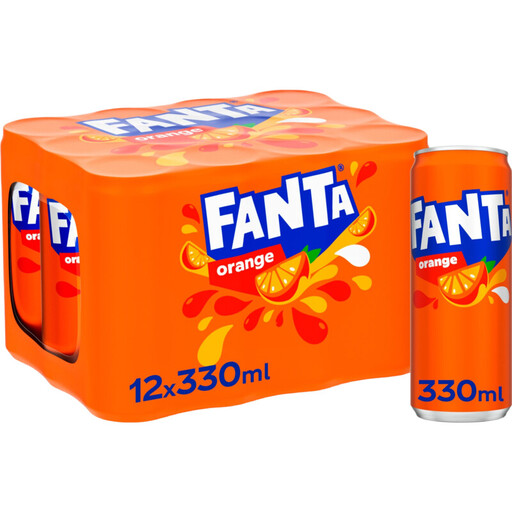
Why it suits this profile: A familiar orange soft drink in a convenient pack of 12 330 ml bottles. Suitable for enjoying at home, at small gatherings or for anyone who does not want to buy a large supply straight away.
The volume per bottle and nutritional values per 100 ml are clearly specified. This allows you to compare the size and sugar content without relying solely on the packaging.
12 x 330 ml; 3% orange juice from concentrate according to the product information; best served chilled.
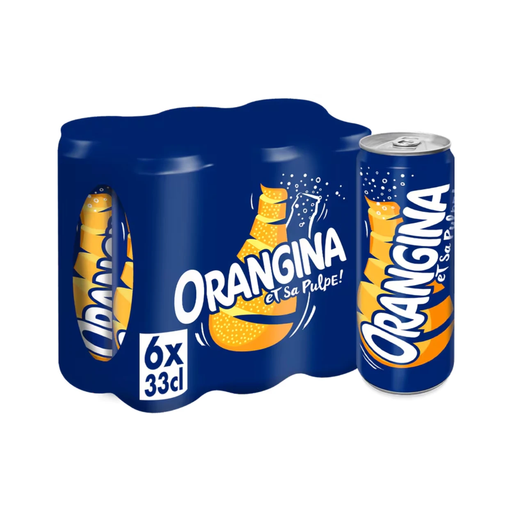
Why it suits this profile: A citrus drink for anyone looking for more than just orange, with additional citrus notes and fruit juice. The six-can pack is ideal for serving chilled with meals or when entertaining.
The stated 12% juice content provides more context than simply calling it “orange”. You can compare the composition directly with other soft drinks.
12% citrus fruit juice from concentrate; 6 x 330 ml; 39 kcal per 100 ml according to the product information.
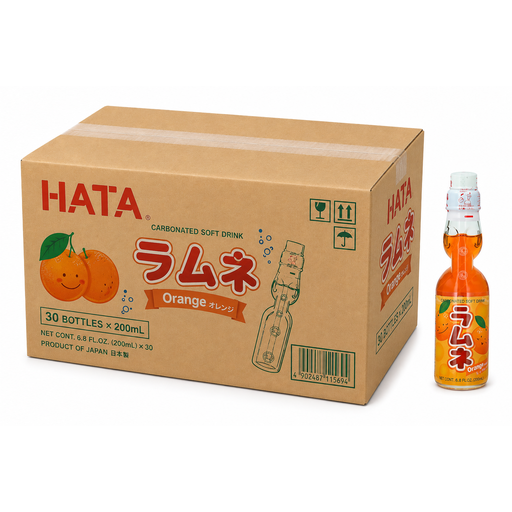
Why it suits this profile: A generous supply of Japanese orange ramune for parties, snack boxes or an assortment of Asian drinks. The glass bottle with its marble stopper gives the product a distinctive presentation.
The number of bottles and the volume per bottle are clearly stated. This makes it clear that you are buying a case of 30 x 200 ml, not a single bottle of ramune.
30 glass bottles of 200 ml; 39 kcal and 8.1 grams of sugars per 100 ml according to the product details; best served chilled.
We have put together a complete, up-to-date list of products that fully meet these strict selection criteria and the applicable European safety regulations.
Of the products mentioned, Charlie’s Sparkling Water Orange & Mandarin lists 2 kcal per 100 ml. Fanta Orange Zero Sugar lists 3 kcal per 100 ml. Always check the current label, as recipes and nutritional values can change.
No. Ramune is a Japanese carbonated orange soft drink with a distinctive glass bottle and marble seal. The serving experience and 200 ml size differ from a standard can or PET bottle. With imported products, pay extra attention to the Dutch-language product information and best-before date on the packaging.
Store unopened bottles and cans in a cool, dry place away from direct sunlight and heat. Place opened packaging in the fridge, close it securely and consume the drink within the period stated on the packaging. Do not freeze soft drinks: the liquid expands and can damage the packaging.
