
Vandaag of morgen in huis

Kwaliteit gegarandeerd

Welkomstaanbiedingen ontgrendelen: GRATIS bezorging | Tot 80% korting | Gratis 30 dagen JoyPlus-proefperiode
Download de app
When you want to buy oil online, it’s easy to come across dozens of bottles labelled “pure”, “natural”, “cold-pressed” and “premium”. Those words don’t automatically mean an oil is right for your pan, recipe, skin or hair. The key differences often come down to use, ingredients and packaging.
Whether you’re looking for cooking oil for everyday use, oil for high-temperature cooking, sesame oil for Asian dishes or hair oil for dry ends, check the product information first. That way, you can avoid heating a flavourful oil that’s intended mainly as a finishing oil, or buying a cosmetic oil that isn’t suitable for consumption.
Even an oil with a single ingredient can have a specific purpose. Pure sesame oil, for example, is aromatic and is often added in small amounts to noodles, soups, dressings and stir-fries. According to Lee Kum Kee’s product information, the 207 ml version is intended mainly as a flavouring and isn’t recommended for deep-frying at high temperatures.
Neutral sunflower, rapeseed or corn oil is generally a better choice for everyday frying and cooking. Always check the instructions on the label.
Some product descriptions mention antioxidants, vitamins or benefits for your skin, hair or heart. Don’t take such claims as established fact. A brand or seller may mention these properties in its own information, but they aren’t a medical assessment or guarantee.
Instead, look for verifiable details such as:
A one-litre bottle may seem cheap per millilitre, but you’ll often use a strongly flavoured oil more slowly. A smaller pack may be more practical for sesame oil, rose oil or argan oil. Also check the storage instructions: many oils should be kept in a cool, dry place, away from direct sunlight. Depending on the product, refrigeration may be recommended after opening.
Cooking oil and frying oil are intended for preparing food in a pan. For neutral everyday use, consider sunflower oil, rapeseed oil, corn oil, rice oil or groundnut oil. According to its product information, Chu Bang Pure Corn Oil 900 ml is described as suitable for cooking, stir-frying, baking and deep-frying. KING Rice Oil lists a smoke point of 240 °C; check the packaging for claims like this too.
Deep-frying oil should be suitable for prolonged heating. Don’t use a delicate flavouring oil as your regular deep-frying oil unless the label recommends it.
Flavouring oil, such as sesame oil or Asian-style oil, is often added right at the end. According to the ingredients information, Lee Kum Kee Pure Sesame Oil 410 ml contains 100% sesame oil and is intended to add aroma and flavour to dishes.
Cosmetic oil is a separate category. Argan oil, hair oil and rose oil aren’t intended for eating. The Ordinary 100% Organic Moroccan Argan Oil lists argan oil as an ingredient and is for use on the face, hair and body. According to its product information, Regina Roses 100% Natural Rose Oil is an essential oil that must be diluted and must not be swallowed.
“100% oil” may mean the ingredients are simple, but always check the label. Sesame oil contains sesame, an allergen. Groundnut oil contains peanuts. Nitya Groundnut Oil also states that other allergens may be handled at the manufacturing facility.
For cosmetics, check for fragrance, preservatives and additional ingredients. Shiseido Fino Hair Treatment Oil contains argan oil, jojoba oil, ceramide, silicones and fragrance, among other ingredients. This makes it a different product from pure argan oil.
Compare the price per 100 ml or per litre, not just the total price. A 207 ml, 410 ml, 920 ml or 1 litre bottle will suit a different pattern of use.
Also look for:
It’s best not to use oil that smells rancid, becomes cloudy when that isn’t normal for the product, or has an unusual taste.
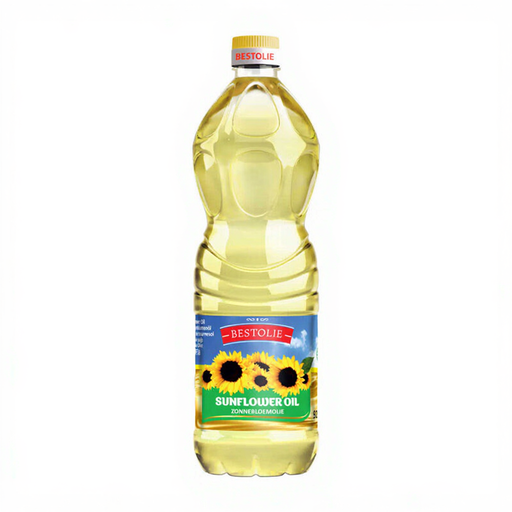
Why it suits this profile: A neutral oil for frying, stir-frying, deep-frying and dressings. The 920 ml bottle is a manageable size for everyday use.
The product information lists a single ingredient: sunflower oil. This makes its intended use clearer than that of a strongly flavoured oil.
Neutral flavour, a 920 ml pack and, according to the product description, suitability for several cooking methods.
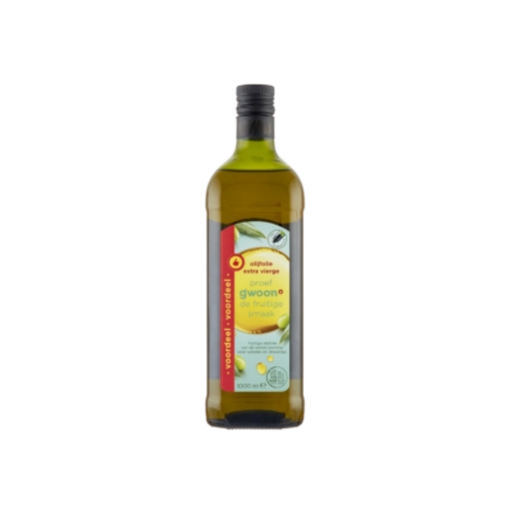
Why it suits this profile: For Mediterranean recipes, salads, dressings, dips and lighter cooking where the flavour of olive oil is part of the dish.
The product name specifies extra virgin olive oil, and the ingredients list states 100% extra virgin olive oil. Check the packaging for full information about its origin.
A 1 litre bottle and a distinctive flavour profile for salads, dips and Mediterranean dishes.
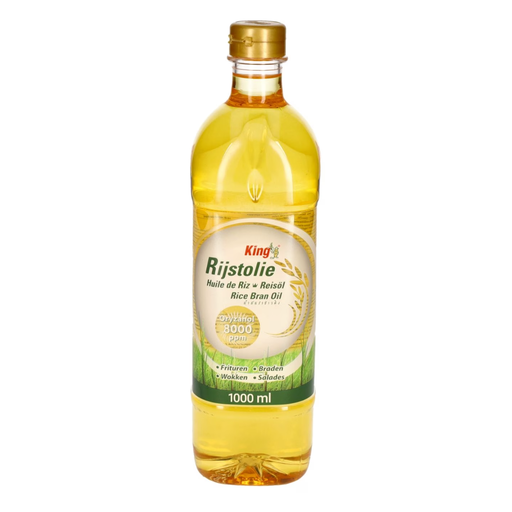
Why it suits this profile: For people who often stir-fry or deep-fry and want rice oil with a smoke point of 240 °C, as stated in the product information.
The product information gives a specific temperature and lists stir-frying and deep-frying as suitable uses. Check the current packaging before use.
A 1 litre bottle, 100% rice bran oil according to the ingredients list, and a stated smoke point of 240 °C.
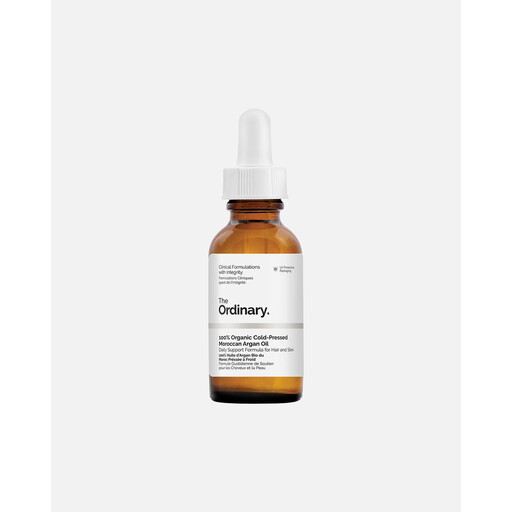
Why it suits this profile: For anyone looking for a small bottle of cosmetic oil for the face, hair and body, with a simple ingredients list.
The product information clearly identifies this as a cosmetic oil and lists argania spinosa kernel oil as an ingredient. Do not use for consumption.
30 ml bottle with a dropper, for use on the face, hair and body according to the product description.
We’ve put together a complete, up-to-date list of products that meet these strict selection criteria and current European safety regulations.
It depends on the temperature and the flavour you want. Neutral options such as sunflower oil, rapeseed oil, corn oil and rice oil are often used for everyday frying and stir-frying. Always check the packaging for recommended uses and temperatures.
Shelf life varies depending on the type of oil, packaging and storage. Keep oil in a cool, dry place, away from direct sunlight, and close the bottle securely. Some sesame oils are best refrigerated after opening. Follow the date and instructions on the packaging.
These names are sometimes used interchangeably in product information, so check the ingredients list. Pure sesame oil can have a strong, toasted aroma and is often used in small amounts as a flavouring. If you have a sesame allergy, always check the allergen information.
