
Vandaag of morgen in huis

Kwaliteit gegarandeerd

Welkomstaanbiedingen ontgrendelen: GRATIS bezorging | Tot 80% korting | Gratis 30 dagen JoyPlus-proefperiode
Download de app
A bowl of porridge might seem simple to pick, but packaging often highlights terms like “natural”, “high in protein” or “no added sugar”. These words don’t always tell you enough about the ingredients, portion size or cooking time. When you’re looking to buy oatmeal, it’s worth comparing the label and how you plan to use it first.
With plain oatmeal, most of the flavour comes from the grain itself. With varieties that include cinnamon, milk powder, fruit or other additions, the sugar content can be noticeably higher. Quaker Cinnamon Oatmeal, for example, lists 19 grams of sugar per 100 grams and contains sugar as an ingredient. That doesn’t automatically make it a bad choice, but it’s useful information if you’re after a neutral base.
Instant oatmeal and breakfast drinks are convenient, but they don’t always contain just oat flakes. So check the ingredients list. Some single-serve sachets include sugar, maltodextrin, milk powder, flavourings or other grains. That can be practical, but it’s a far cry from wholegrain oatmeal with a single ingredient.
Oats can come into contact with other gluten-containing grains during processing. Always look at the official allergen information and the packaging. The product information for Leev Dutch Oatmeal states “gluten-free” and at the same time “contains: gluten”. Because of this contradiction, it’s wise to check the actual packaging before choosing the product if you have a gluten intolerance or coeliac disease.
For a simple base for porridge, a short ingredients list is ideal. According to the product information, Quaker Oatmeal is made from 100% wholegrain oats. Brinta Oatmeal also lists 100% oats as its ingredient. With blended breakfast powders, the oat content can be lower. Family Whole Reduced Sugar Oatmeal, for instance, contains 30% oats alongside wheat, maize, soya and milk powder.
Also pay attention to the difference between oat flakes, finely milled oats and blended grains. Fine flakes soften more quickly, whereas coarser flakes generally give you more texture.
Always compare products on the same basis. The portion size on the front can vary, which might make one product look better per serving than another.
Pay particular attention to:
Claims about beta-glucans or cholesterol, for example, should be read as a brand statement made under certain conditions. Quaker refers to its own product information about beta-glucans in the product description. Don’t take this as personal health advice.
For a quick oatmeal breakfast, single-serve sachets are handy. Quaker Cinnamon Oatmeal contains ten sachets of 33 grams and, according to the instructions, can be prepared in around two minutes. Brinta Oatmeal lists eleven servings per pack. A larger bag is often more convenient if you want to measure out your own amount every day.
Also check whether you need milk, water or a specific amount of liquid. With instant powders, the ratio can be more precise than with standard oat flakes. Store an opened pack in a cool, dry place, tightly sealed and away from moisture.
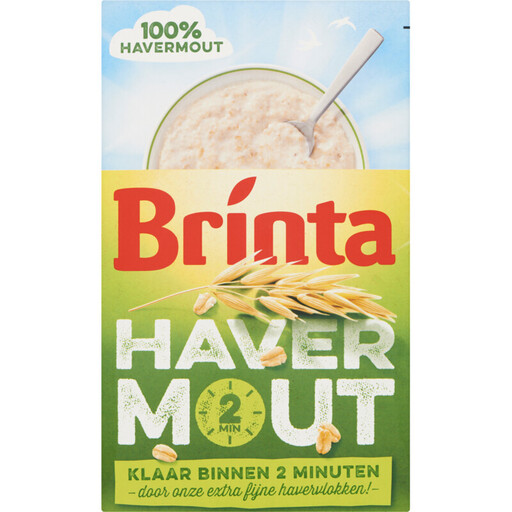
Why this fits the profile: The pack lists 11 servings and, according to the product description, the fine oats are quick to prepare with water or milk.
The ingredients list states 100% oats and, according to the product information, no added colourings or flavourings.
9.7 grams of fibre and 13 grams of protein per 100 grams; suitable for warm porridge with fruit.
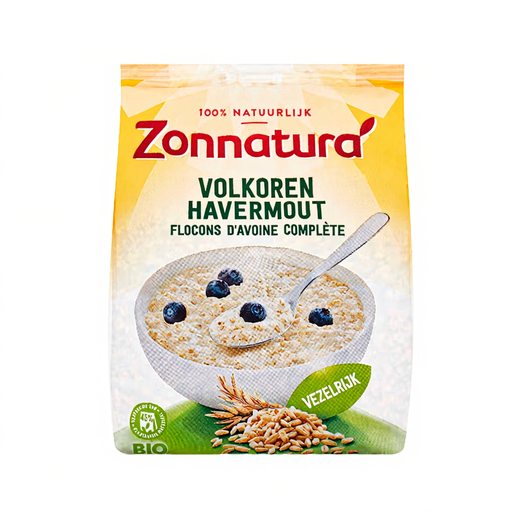
Why this fits the profile: A choice for shoppers who value organic ingredients and a clear base of fine wholegrain oat flakes.
The product information states 100% organic oatmeal; check the current certification mark and allergens on the packaging.
11 grams of fibre per 100 grams and a 500 gram portion for regular use.
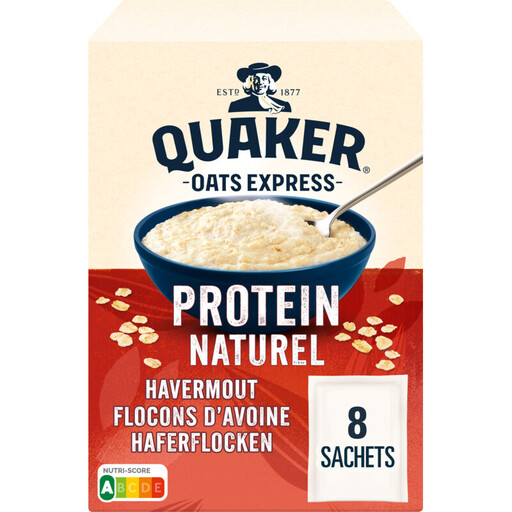
Why this fits the profile: Aimed at those looking for a high-protein oatmeal and, according to the product information, want to prepare the porridge in two minutes.
The higher protein content doesn’t come from oats alone: the ingredients list states 15% soya protein. That makes the composition verifiable.
22 grams of protein per 100 grams, 7.2 grams of fibre and no added sugars according to the product information; contains soya and oats.
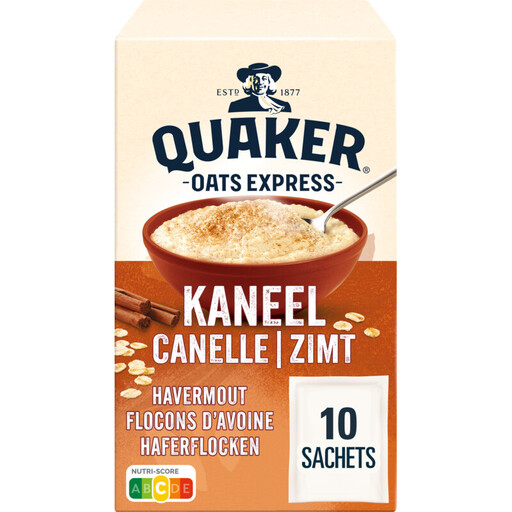
Why this fits the profile: The single-serve sachets with cinnamon flavour suit busy mornings when weighing out and extra flavourings aren’t needed.
The portion size and preparation are clearly described; the ingredients list does mention sugar and natural flavourings.
Ten sachets, 7.4 grams of fibre per 100 grams and, according to the product description, preparation in around two minutes.
We’ve put together a full, up-to-date list of products that fully meet these strict selection criteria and comply with current European safety regulations.
Yes, depending on the type. Fine oat flakes and instant oatmeal soften more quickly than coarse flakes. Single-serve sachets like Quaker Cinnamon Oatmeal are practical for on the go or busy mornings. Always check the preparation instructions and the amount of milk or water needed.
Oatmeal is made from oats that are usually processed more finely, whereas oat flakes are recognisable, rolled flakes. The cooking time and texture can therefore differ. Always look at the preparation method on the packaging, because product names aren’t always used in the same way.
Store oatmeal in a dry, cool place, tightly sealed. Use the best-before information on the packaging as a guide and check the product for moisture, any unusual smell or damage. With single-serve sachets, the contents stay individually sealed, whereas a large bag needs extra care with storage once opened.
